Engineering Next-Generation Lubrication-Free Polymer Bearing Solutions for Global Heavy Industry, Marine, Medical, and High-Speed Mechanical Systems.
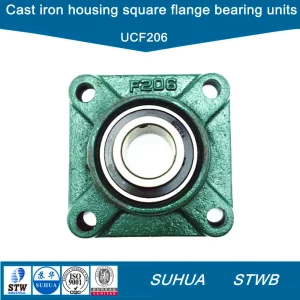
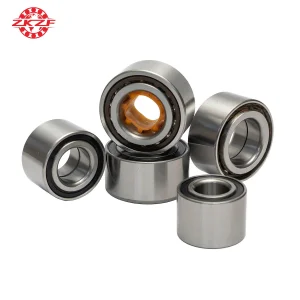
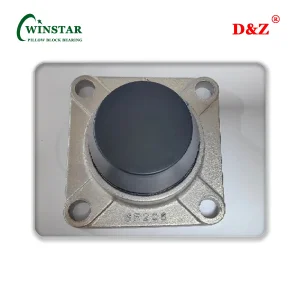
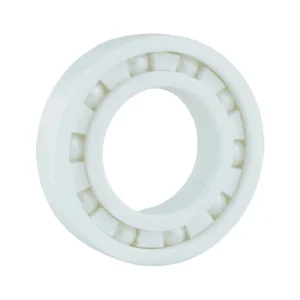
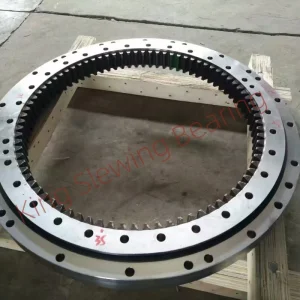
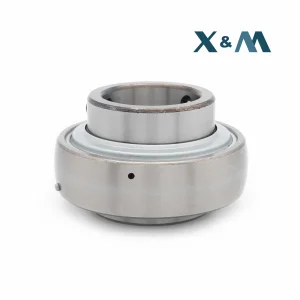
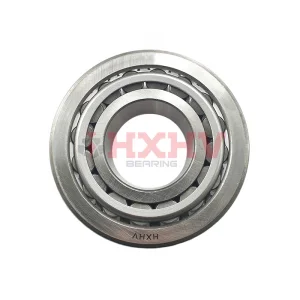
Over the last decade, heavy manufacturing and automation industries have experienced a paradigm shift. Traditional metallic bearings, long regarded as the standard, are increasingly replaced by precision-engineered OEM Custom Plastic Bearings. This shift is not merely cost-driven; it is a fundamental technological upgrade aimed at achieving zero maintenance, reducing total cost of ownership (TCO), and eliminating grease contamination across high-reliability operating environments.
Metal bearings require continuous lubrication, are highly susceptible to oxidation and corrosion, and introduce substantial weight limits. Conversely, polymer compounds—including Polyoxymethylene (POM), Polyetheretherketone (PEEK), Polytetrafluoroethylene (PTFE), and UHMWPE—enable smooth tribological properties without external lubricants. By integrating custom fillers like glass beads, carbon fibers, or graphite, OEM manufacturers can tailor mechanical properties to match or exceed application requirements.

Different plastics exhibit varying mechanical strengths, temperature thresholds, and chemical resistances. Standardizing bearing designs requires deep knowledge of polymer science and materials engineering.
| Material Class | Max Temp Range (°C) | Chemical Resistance | Tribological Performance | Primary Industrial Use Cases |
|---|---|---|---|---|
| POM-C (Polyacetal) | -40 to +100 °C | Moderate (Solvents, Fuel) | Excellent low wear, high rigidity | Automotive electronics, sliding rollers, agricultural gearboxes. |
| PEEK (Polyetheretherketone) | -60 to +260 °C | Extreme (Acids, Steam, Bases) | Ultra-low wear at high pressure-velocity | Semiconductor tools, oilfield pumps, medical autoclaves. |
| PTFE (Teflon Filled) | -200 to +250 °C | Universal Resistance | Lowest coefficient of friction | Cleanrooms, chemical washdown tanks, cryo-pumps. |
| PA66 (Nylon Polyimide) | -30 to +120 °C | Hydrocarbons, Oils | High mechanical strength & damping | Material handling, textiles, packaging lines. |
| PVDF (Polyvinylidene) | -40 to +140 °C | High Acid, Halogens | Good mechanical properties, pure | Wet processing chambers, battery manufacturing. |
As a leading OEM Custom Plastic Bearings Factory, we offer highly detailed engineering support, helping clients match local load parameters (PV value) with the perfect polymer formulation, ensuring zero failure rates during intensive field operations.
FDA-approved PEEK and POM plastic bearings operate dry, eliminating the threat of lubricant contamination. They resist repeated chemical sanitizations, hot water washdowns, and thermal cycles without swelling or corroding.
Saltwater destroys metal structures. Custom plastic bearings (using glass or ceramic rolling elements) leverage water as a natural coolant and lubricant, making them ideal for thrusters, sonars, and underwater robotics.
With electric vehicle chassis requiring light weighting and electromagnetic insulation, customized polymer sleeve bearings prevent parasitic electrical currents (EDM damage) while reducing overall vehicle weight.
Outgassing and particulate generation are critical challenges in silicon processing. Vacuum-stable PTFE or ceramic bearings run clean, avoiding chemical reactions with aggressive etching gases.
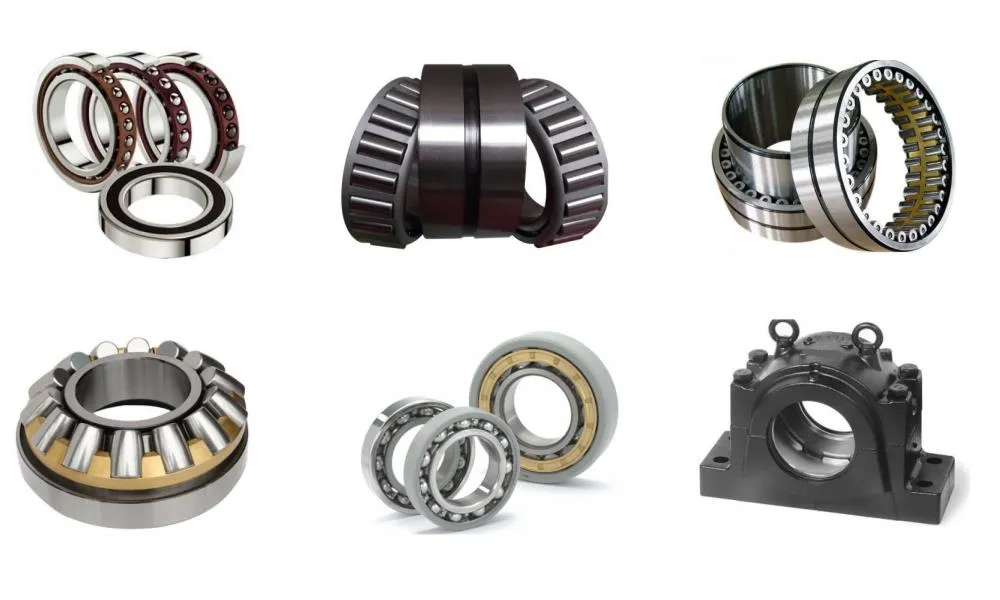
We pride ourselves on being a certified, customer-centric Custom OEM Plastic Bearings Factory. Our end-to-end service allows for exact customization according to technical drawings, CAD layouts, or physical samples. Our processes are designed to handle demanding industrial configurations, ensuring your components run smoothly from day one.
All bearings are new, original, and certified. We partner with chambers of commerce and recognized inspection divisions to verify material origins, chemical compliance, and dimensional accuracies, backing each order with verified mill sheets and certificate documentation.
Plastic bearings are characterized by their PV (Pressure-Velocity) limit, which dictates the rate at which frictional heat dissipates. While they cannot match the ultra-high loads of high-carbon steel, custom formulations like PEEK filled with carbon fiber can handle static loads up to 150 MPa and continuously operate at linear speeds exceeding 1.5 m/s without lubricant degradation.
Yes. Standard steel bearings require greases that outgas under vacuum, contaminating silicon wafers or cleanroom air. Special materials such as PEEK, PTFE, and PVDF do not outgas and require no grease, allowing them to remain completely dry while maintaining extremely low particulate emissions.
For custom components machined from solid polymer bar stock (prototypes/small batches), lead times average 7-14 days. For large-scale production runs using precision injection molds, tooling takes approximately 25-30 days, followed by rapid parts molding and automated dimensional inspection.
Nylon polymers absorb ambient humidity and swell, which can tighten critical shaft clearances. In humid or submerged applications, we recommend choosing POM, PEEK, or PE-UHMW, which feature near-zero moisture absorption indexes, ensuring structural dimension stability over decades of wet-running service.
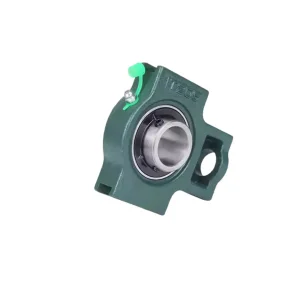
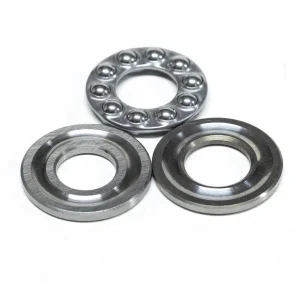
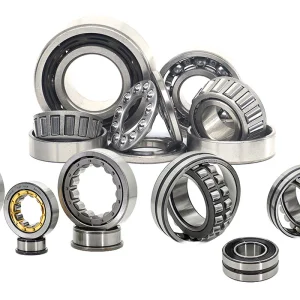
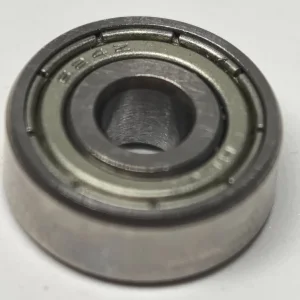
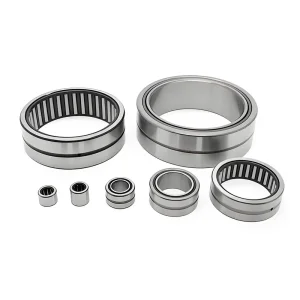
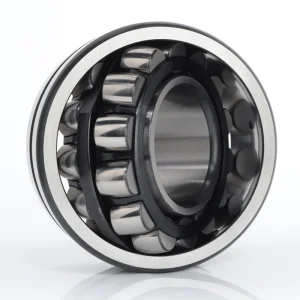
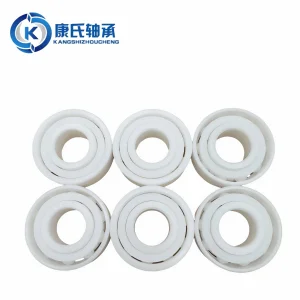
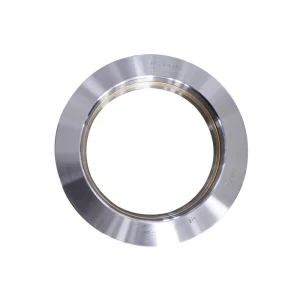
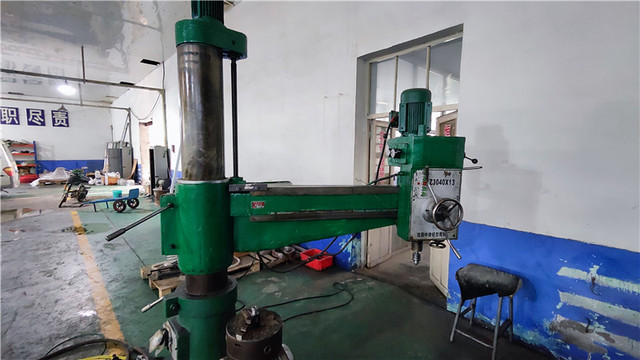
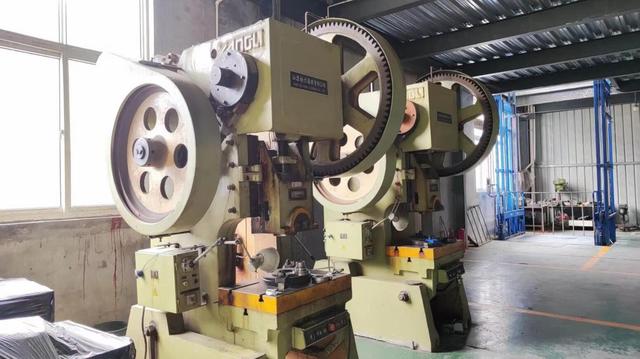
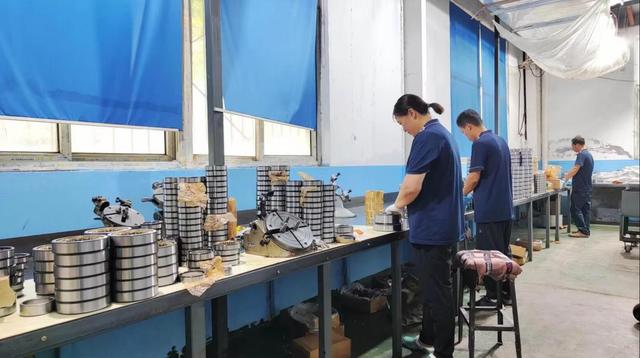
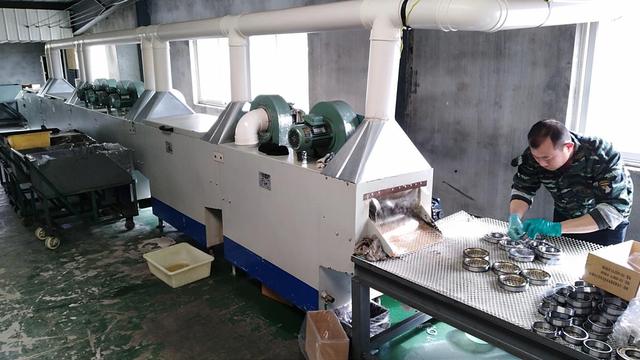
The original factory photos below outline our facilities, raw stocks, packaging zones, and logistics systems.
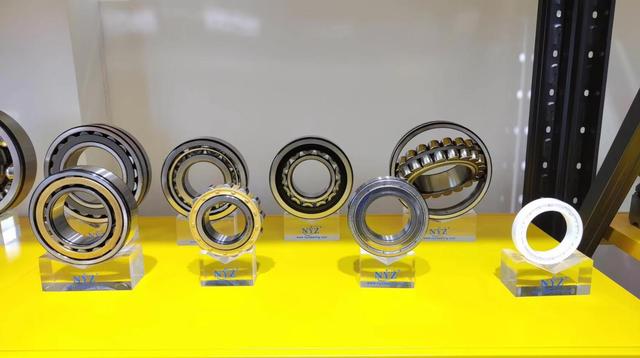
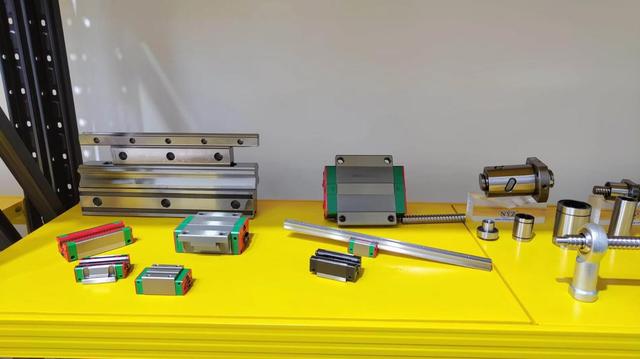
 Ebmotrix Bearings