Top 10 Ring Bearings Manufacturers & Exporters

Global Sourcing Directory, Technical Specification Matrices, and Strategy for High-Precision Rotational Components

1. Understanding Ring Bearings: Structural Principles and Classifications

Ring bearings (or annular bearings) are critical engineering assemblies designed to accommodate heavy combined radial, axial, and moment loads. Unlike standard miniature components, industrial ring bearings feature outer and inner rings that host deep grooves, raceways, or roller assemblies optimized for low torque friction and high runout precision.

In heavy industrial equipment, selecting the correct structural type determines the machine’s reliability (L10 nominal life expectancy) and maintenance cycles. Depending on the mechanical application, several configurations are widely deployed:

Technical Insight: The Importance of Radial Runout (P4 vs P2 Class)

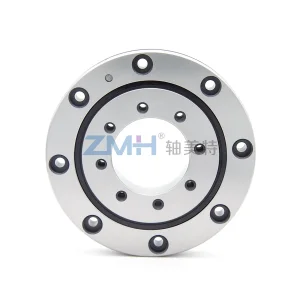
Precision machining spindles and robotic reducers demand runout errors of less than 2-5 micrometers. Class P4 and P2 cross-roller bearings utilize crossed cylindrical rollers to eliminate axis wobble, allowing bidirectional axial support in a highly compact envelope.

Our core product line spans all essential classes of rotational bearings:

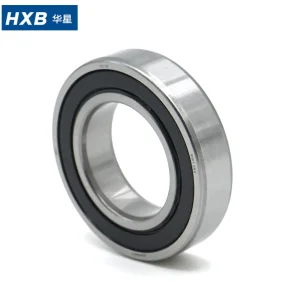
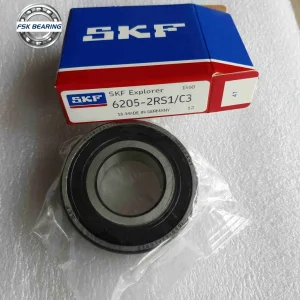
  • Deep Groove Ball Bearings: Excellent for high-speed applications requiring radial support with minor axial thrust (e.g., 6809 ZZ series and Koyo style autoparts bearings).
  • Self-Aligning Ball Bearings: Features double-row ball paths that tolerate shaft deflection and angular misalignment (e.g., Series 1305 and 1309).
  • Angular Contact Ball Bearings: Built with contact angles designed for combined axial-radial loading. Offered in single or bidirectional configurations.
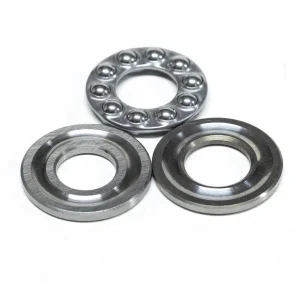
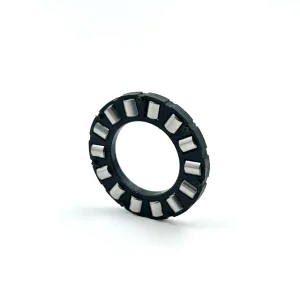
  • Thrust Ball & Needle Roller Bearings: Ideal for planar axial-only positioning with minimal axial height limits.
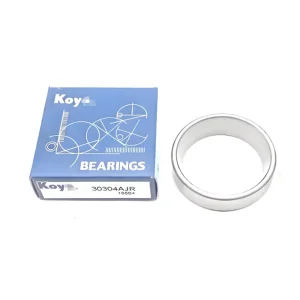
  • Tapered & Spherical Roller Bearings: Built to carry heavy shock loads. Used extensively in steel mill machinery, paper mills, and mining gear boxes.
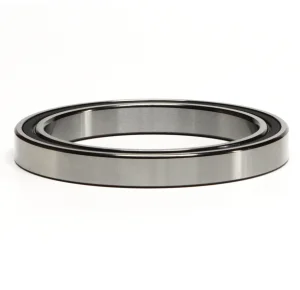
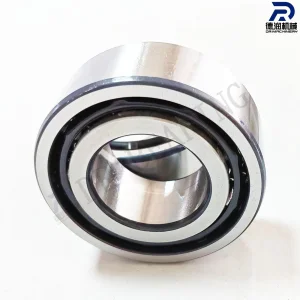
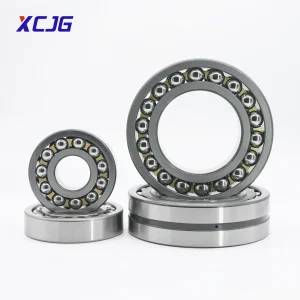
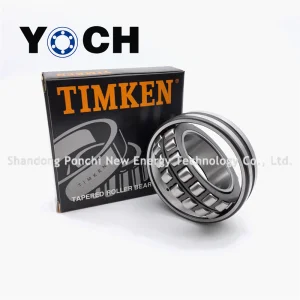
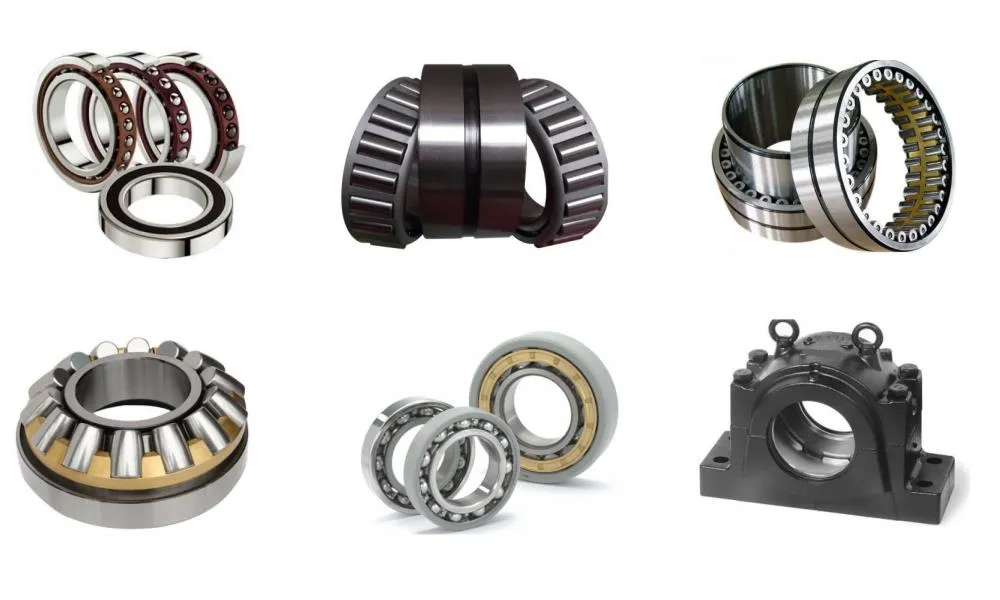
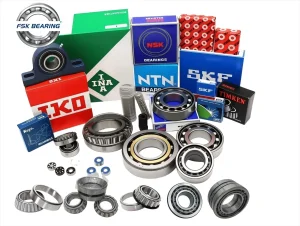
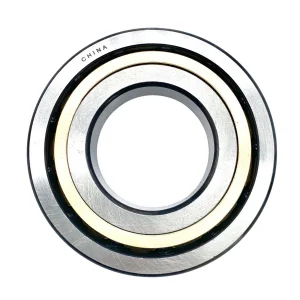
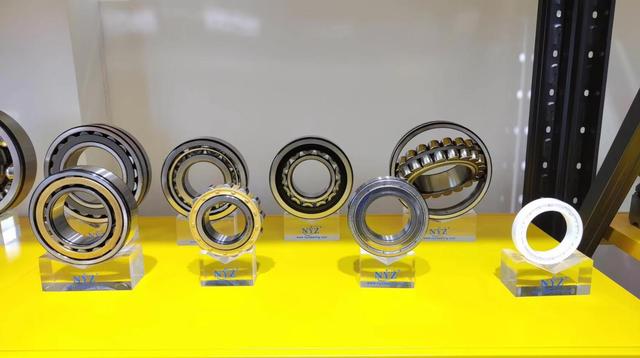
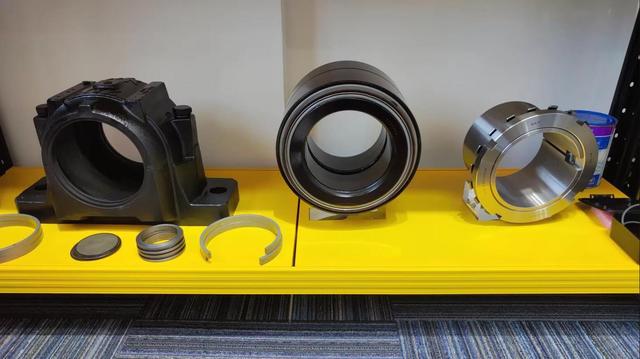
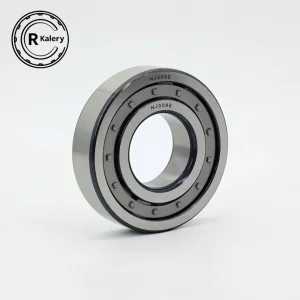
Our Product Range Showcase - Deep Groove, Cylindrical, Tapered and Spherical Roller Bearings

Figure 1: Full spectrum of industrial ring bearings produced to global ISO standards.

2. The Chinese Factory Advantage: Metallurgy, Scale, and Supply Chain Synergy

Over the last decade, Chinese bearing manufacturing has transitioned from low-cost mass production to high-tech, high-precision engineering. Centers like Wafangdian (Liaoning Province) and Luoyang (Henan Province) lead the global supply chain in raw material refinement and precision forging.

When partnering with top Chinese manufacturers and exporters, global procurers gain several strategic advantages:

A. Superior Metallurgical Formulations

Modern Chinese bearing factories utilize ultra-clean steel such as vacuum-degassed GCr15 (equivalent to AISI 52100 or 100Cr6) and specialized alloys. Advanced heat treatment technologies like induction hardening and carbonitriding ensure optimal hardness (60-64 HRC) and resistance to subsurface fatigue.

B. End-to-End Vertical Integration

From hot forging and ring rolling to final grinding and automated assembly, every step is executed within integrated hubs. This minimizes logistics delay, reduces dimensional variances, and allows factories to offer high-precision custom OEM services.

C. Stringent Quality Control Protocols

Leading exporters implement rigorous inspection processes, utilizing Coordinate Measuring Machines (CMM), roundness testers, and non-destructive ultrasonic testing (NDT) to ensure compliance with ABEC/ISO standards.

62+ HRC
Surface Hardness
< 3µm
Radial Runout Limit
100%
NDT Inspected
Zero
Backlash Options

3. Macro-Industry Solutions & Localized Application Scenarios

Precision ring bearings operate under highly specific mechanical conditions. Sourcing agents must align their selections with the exact physical demands of the localized environment:

Application Sector Key Bearing Types Utilized Operational Demand Engineering Priority
Steel & Metallurgy (Rolling Mills) Double-Row Angular Contact, Heavy Cylindrical Roller Extreme radial load, shock, high temps Special heat-stabilized alloy (GCr15SiMn)
Robotics & Gear Reducers Crossed Roller (RU66 P4), Thin Wall Deep Groove Compact space, bidirectional load, zero wobble Ultra-thin section, strict axial runout limits
Wind Energy & Cranes Large Slewing Rings, Spherical Roller Bearings High tilting moment loads, dynamic weather Integral seal design, high-strength forging
Automotive & Hub Assemblies Tapered Roller Sets (580/572 Series) High speed, combined thrust-radial vehicle load Low friction torque, extended L10 bearing life
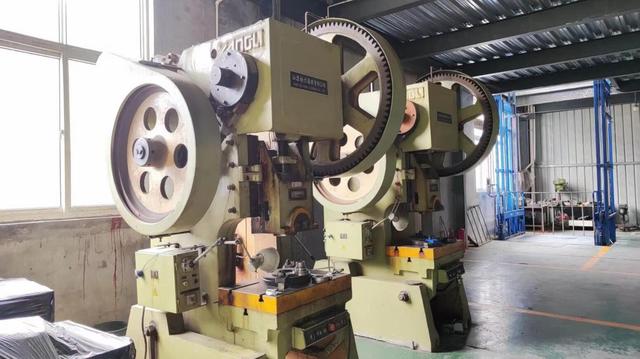
Industrial Applications - Steel Mills, Machine Tools, Reducers, Wind Energy and Construction Machinery

Figure 2: Industrial deployment scenarios for rolling mills, heavy metallurgy, and automotive power transmission.

High-Stress Case Study: Rolling Mills & Steel Plants

In metal rolling industries, bearings are continuously exposed to scale, water spray, and heavy impact forces. Using double-row angular contact ball bearings (e.g., 514478, 537406) or spherical roller bearings with high-density brass cages ensures continuous operation, preventing catastrophic downtime that can cost thousands of dollars per hour.

Precision Case Study: Harmonic & Cycloidal Reducers

Modern automation relies on precision arm positioning. Cylindrical crossed roller bearings (like RU66 P4) arrange rollers orthogonally to handle loads from all directions. This minimizes friction and achieves high positioning accuracy, making them ideal for industrial robotics and CNC rotary tables.

4. Global Sourcing Criteria: The E-E-A-T Quality & Authentication Framework

Procuring industrial components requires verified reliability. In the bearing sector, counterfeit products present safety and financial risks. Professional buyers prioritize exporters that offer verified origin certificates and quality guarantees:

  • Chamber of Commerce Certification: All shipped components should come with certificate of origin documentation verified by local chambers of commerce. This guarantees you receive new, genuine components.
  • Authorized Distribution Networks: We maintain close relationships with regional offices of major global brands (SKF, FAG, Timken, NSK, NTN, Koyo, NACHI) alongside our domestic premium catalog. This enables us to source both standard and specialized bearings efficiently.
  • Material Traceability: Heat logs, steel chemical composition analyses, and hardness test charts should be provided upon request for high-load applications.
E-E-A-T Commitment: Certified Quality & Authenticity

We cooperate closely with official bearing branches and authorized regional distributors. Our products are guaranteed new and genuine. Verification documents signed and stamped by the Chamber of Commerce are available to certify the authenticity and origin of every batch.

5. Sourcing & Logistics Support Services

Industrial operations require responsive communication and reliable logistics. Sourcing from our production facilities includes:

12-Hour Quick Reply

We respond to technical and commercial inquiries within 12 hours via email, phone, Skype, WhatsApp, or WeChat.

Customized Engineering

We produce custom bearings according to user blueprints or samples, and offer custom packaging and private labeling services.

Technical Support

Our engineering team assists with bearing replacement, clearance optimization, and lubrication suggestions to help extend service life.

6. Future Technology Trends in Ring Bearing Engineering

The global bearing sector is evolving toward smart integration and environmental sustainability. Key trends for the next decade include:

  • Sensor-Integrated Smart Bearings: Built-in micro-sensors monitor temperature, vibration, and rotation speeds in real-time. This data integrates into predictive maintenance systems to prevent unexpected downtime.
  • Tribological and Lubrication Advances: High-speed operations require specialized greases and solid-lubricant matrices to lower starting torque and heat build-up.
  • Hybrid Bearings: Combining silicon nitride (Si3N4) ceramic rolling elements with high-cleanliness steel rings improves electrical insulation, raises speed ratings, and extends wear life under low-lubrication conditions.

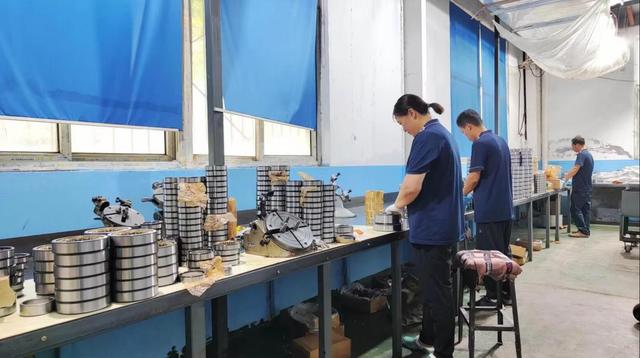
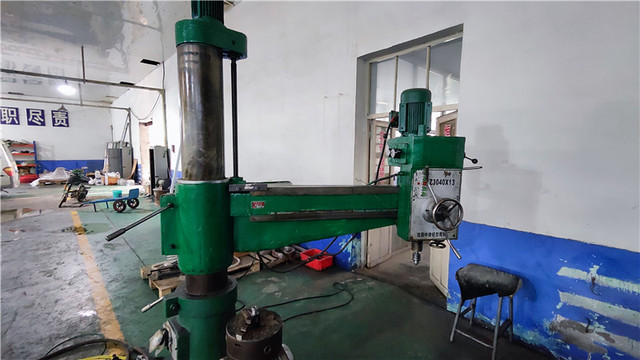
Our Manufacturing & Quality Control Facilities

Take a virtual tour through our production line, testing centers, and warehouse packaging units.
Technical & Sourcing FAQ

Answers to common technical, logistics, and quality assurance questions about ring bearings.

Q1: What is the differences between thin-wall section bearings and standard deep groove bearings?
Thin-wall sections feature a constant cross-section size regardless of bore diameter. This reduces overall weight, saves space, and lowers friction torque, making them ideal for robotics and aerospace applications where space is limited. Standard bearings increase in thickness as the bore size grows.
Q2: How do you verify the authenticity of imported premium brands?
Every shipment of premium brand bearings (SKF, FAG, NSK, Koyo, etc.) is sourced through authorized distribution channels. We provide full certificates of origin signed and stamped by the Chamber of Commerce, and allow buyers to inspect tracking codes directly.
Q3: What parameters are required to order a customized ring bearing?
Please provide the inner and outer diameters, width/height, load profile (radial, axial, or tilting moment), operating speed, environmental conditions (temperature, moisture, exposure to chemicals), and preferred tolerance class (e.g., ISO P6, P5, or P4). Detailed mechanical drawings are highly helpful.
Q4: Why is GCr15 steel preferred for industrial ring bearings?
GCr15 (equivalent to AISI 52100) is a high-carbon chromium alloy steel. When properly heat-treated, it offers excellent fatigue limit resistance, high wear durability, and high dimensional stability, ensuring long-term reliability under heavy loads.
Q5: How does the internal clearance (C3, C4) affect bearing operation?
Radial internal clearance is the total play between the outer ring, inner ring, and rolling elements. Normal clearance works for standard setups. C3 and C4 clearances provide extra space to allow for thermal expansion in high-temperature or interference-fit applications.
Q6: What is the typical lead time for custom OEM bearing orders?
Standard stock items can ship within 3–7 days. For custom OEM bearings requiring specialized forging or custom cages, production typically takes 30–60 days, depending on structural complexity and current factory capacity.
Q7: How do you protect bearings from corrosion during maritime transport?
All bearings are coated with high-grade anti-rust oils, wrapped in moisture-resistant plastic films, and packed in neutral or custom boxes inside sturdy export-grade wooden cases to prevent rust during sea freight.
Q8: Which lubrication method is best: grease or oil?
Grease is preferred for easy maintenance, simplified sealing, and low-to-medium speed operations. Oil lubrication (such as oil mist or oil bath) is recommended for high-speed, high-temperature applications where cooling is required.