Explore our core standard components, precision-engineered for heavy mechanical stress and high-efficiency operations.
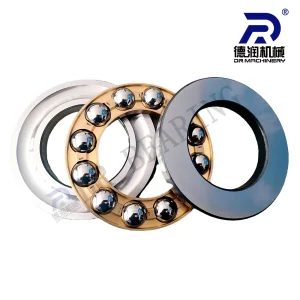
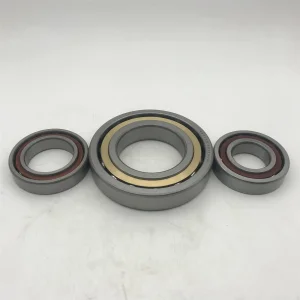
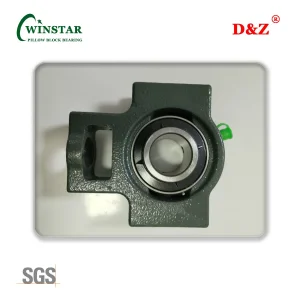
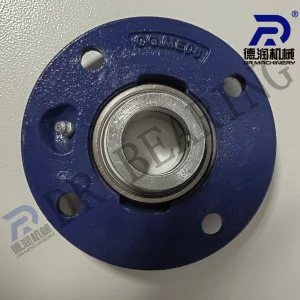
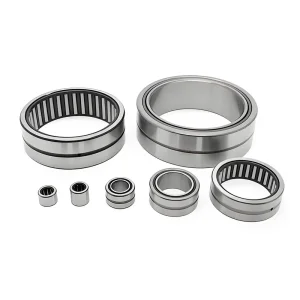
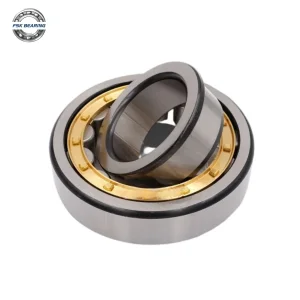
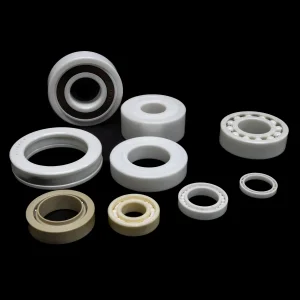
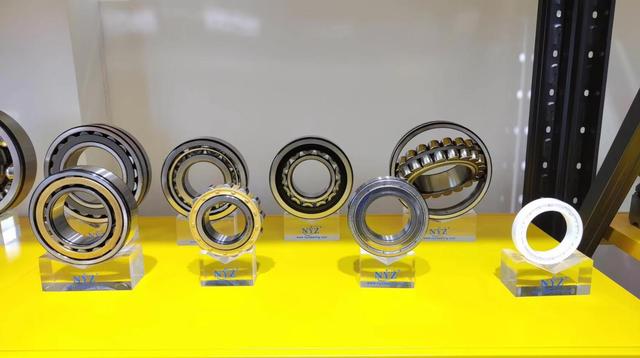
Pin bearings (encompassing needle roller systems and high-density cylindrical linear arrays) represent a pinnacle of load-density maximization in mechanical engineering. Unlike standard ball bearings, which transfer forces through point contact, pin bearings employ line contact geometry. This distributes massive radial loads over a significantly larger contact area, driving down localized Hertzian contact stresses and mitigating premature material fatigue.
For demanding OEM configurations, the design envelope requires absolute dimensional consistency. Our customized pin bearings are manufactured with precision diameter variations of less than 1.0 micron across the rolling elements. This micro-level uniformity ensures that radial clearance profiles are systematically optimized, preventing skewing, reducing torque fluctuations, and guaranteeing consistent kinetic transfer under extreme temperature gradients.
"By integrating advanced metallurgical treatment with sub-micron manufacturing tolerances, our custom OEM Pin Bearings achieve a 35% higher dynamic load rating compared to standard off-the-shelf bearing components."
Our material selector includes AISI 52100 high-carbon chromium steel, ultra-corrosion-resistant stainless steels (such as AISI 440C), and advanced ceramics (Silicon Nitride, Si3N4). By tailoring both geometry and metallurgy, we enable systems to operate reliably under extreme working conditions—whether submerged in aggressive chemical solvents or running at dry-running high-speed rotational limits.

We solve the toughest mechanical load challenges with custom tailored designs, custom alloy formulations, and dynamic sealing systems.
Options range from premium carbon steel, martensitic stainless steel to Silicon Nitride (Si3N4) and PEEK polymers for chemically corrosive, non-magnetic, or vacuum applications.
We manufacture custom solid brass, machined steel, engineered nylon, and pressed steel cages optimized for vibration damping, high acceleration rates, and extreme RPM limits.
Engineered with custom micro-grooves, integrated lubrication channels, and specific high-performance grease formulations to sustain low-maintenance life cycles.
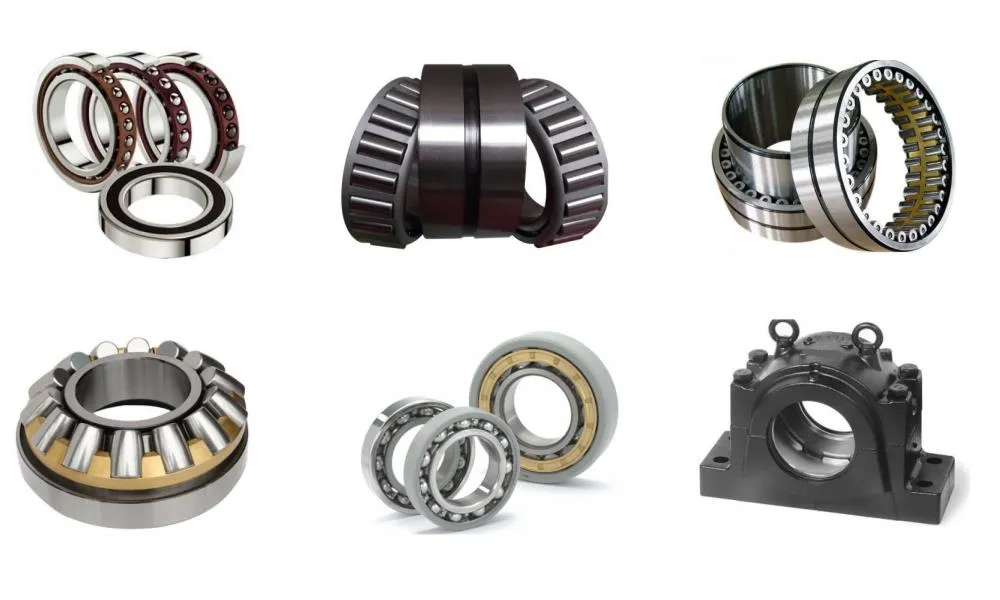
Modern industrial equipment demands bearings that can survive complex combined forces and environments. Our products are fully integrated into key macro sectors:
By tailoring the internal clearance, cage guidance systems, and grease fill levels to specific applications, we significantly extend the L10 operational life expectancy of our assemblies, mitigating unexpected downtime across our client operations.
The evolutionary trajectory of pin bearings is defined by digitalisation, advanced surface science, and carbon-neutral materials.
Developing embedded micro-sensor packages directly inside the bearing housing to continuously track temperature anomalies, high vibrational peaks, and lubrication degradation in real-time, allowing predictive maintenance alerts to prevent catastrophic failure.
Implementing sub-micron DLC and ceramic surface modifications to optimize hard-sliding contact zones. This technology achieves a significant reduction in friction coefficients, preventing sliding wear under boundary lubrication states.
Transitioning toward carbon-neutral steel processing and designing structural, biomimetic elements that reduce overall component mass by 15% without sacrificing mechanical load capacities.
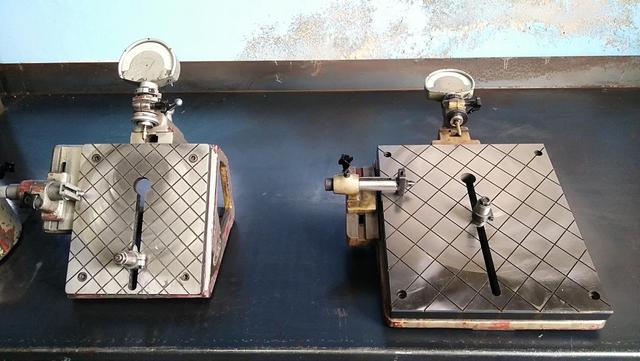
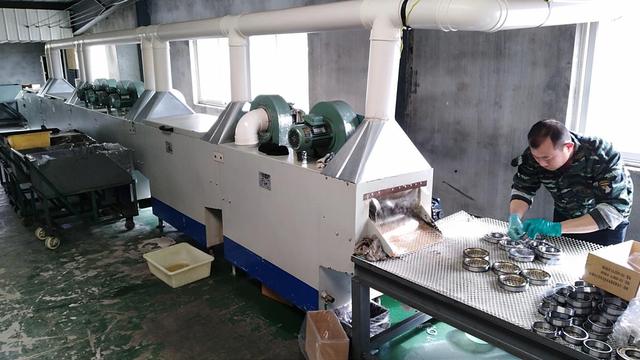
At our high-tech manufacturing center, we have transitioned traditional production systems into automated, interconnected Factory 4.0 operational flows. Our grinding and superfinishing lines operate with real-time feedback loops. Advanced active-gauging systems measure component dimensions mid-process, adjusting tooling automatically to maintain tight tolerances across large-volume production runs.
This levels of automation yields substantial benefits for our international partners:
Rigorous quality management systems driving our continuous improvement initiatives across all operations.
Eco-friendly manufacturing processes ensuring all components are free from hazardous chemicals.
All bearings are accompanied by dynamic test reports and Certificate of Origin (CO) documentation.
Navigating global industrial supply chains requires more than just manufacturing expertise—it demands strict regulatory compliance, transparent documentation, and localized engineering support.
We provide localized engineering support to streamline integration. Our team works directly with your design staff, reviewing drawings (CAD/STEP files) to ensure correct housing fit, shaft design, and assembly tolerances. We manage the customs and logistics clearance pipeline, providing complete documentation including certificate of origin, chemical analysis sheets, and material test certificates.
No matter where your production lines are located—be it North America, the European Union, or Southeast Asia—our logistics partnerships ensure safe, timely delivery of critical machinery components.
Direct technical answers from our senior application engineers on custom bearing design, selection, and reliability.
A: Standard steel provides high dynamic load ratings and cost-effectiveness for oil-lubricated setups. Silicon Nitride (Si3N4) is selected for applications requiring electrical insulation, high-speed performance (due to its 60% lower density than steel), and resistance to adhesive wear or lubrication starvation.
A: Proper radial clearance is critical. Too much clearance shifts the load onto fewer rollers, increasing Hertzian stresses. Too little clearance causes internal preload, accelerating heat generation and wear. We tailor clearances (C2, C0, C3, C4) to match shaft fits and operating temperatures.
A: For heavy-vibration applications (like crushers or vibrating screens), we recommend machined brass cages (guided by the inner or outer ring) or case-hardened steel cages. These offer superior structural integrity compared to lightweight nylon cages under cyclic forces.
A: Yes. We specialize in custom OEM engineering. We can modify inner/outer ring widths, add integral seals, design custom mounting flanges, and optimize rolling element diameters to deliver the required load capacity within your existing space constraints.
A: We enforce strict material verification at our factory. Every steel batch undergoes spectral analysis and ultrasonic testing to detect microscopic inclusions. We also supply material test reports (MTRs) and certificates of origin for full traceability.
A: Standard prototype development typically spans 4 to 6 weeks, which includes tool configuration, precise CNC machining, heat treatment, and QA inspections. Once approved, volume production timelines are scheduled to match your delivery needs.
Engineered for specialized configurations, extreme temperatures, and high-precision applications.
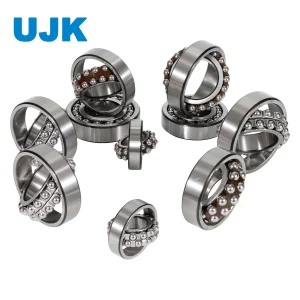
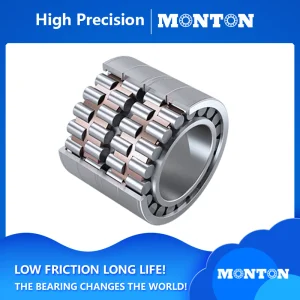
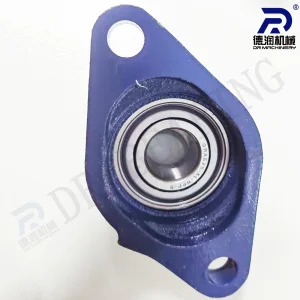
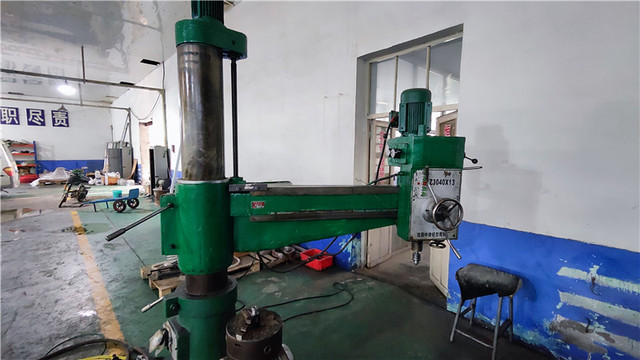
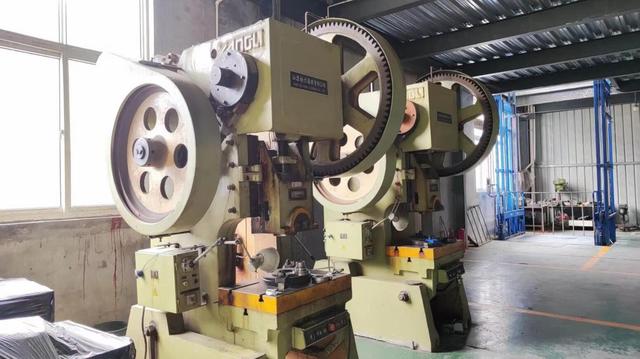
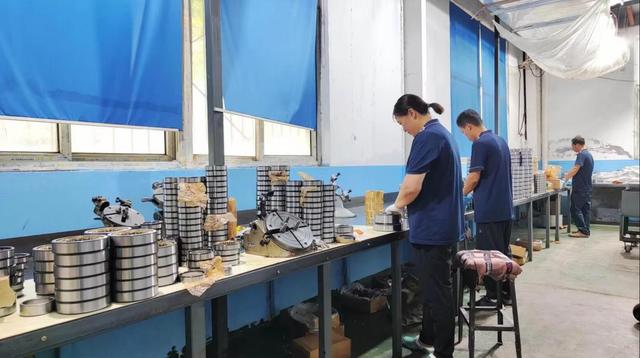
Get a visual tour of our precision machining centers, testing bays, and warehouse distribution centers.
 Ebmotrix Bearings