High-frequency industrial components engineered for extreme radial loads, rotational speeds, and hostile operational environments.
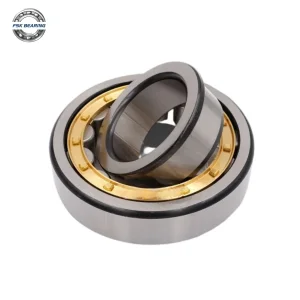
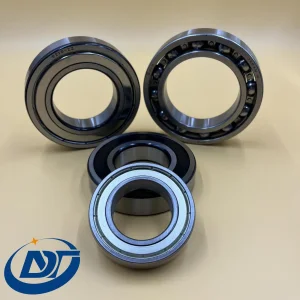
An authoritative analysis of modern kinematic systems, market dynamics, and ISO/ABEC precision standards.
In the era of hyper-automated industrial manufacturing, high-speed robotics, and electric vehicle powertrain integration, the global precision ball bearing market represents a cornerstone of mechanical reliability. Precision ball bearings are fundamental mechanical components designed to minimize rotational friction while supporting radial and axial loads with extreme geometric accuracy. The demand for sub-micron tolerances, zero-clearance preloading, and thermodynamic stability under harsh operational stress has elevated precision bearings from commodity hardware to highly engineered strategic assets.
The global industrial sector is experiencing a rapid shift toward high-speed CNC spindle units, semiconductor robotics, aerospace actuators, and green energy turbines. International procurement directors and Original Equipment Manufacturers (OEMs) are no longer searching merely for off-the-shelf catalog numbers; they demand holistic mechanical integrity, traceable material metallurgy, customized radial clearance specs (C2 to C4), and advanced surface finish treatments.
Precision levels are defined globally by the Annular Bearing Engineers' Committee (ABEC) and ISO standards. While standard industrial applications utilize ABEC-1 (ISO P0) or ABEC-3 (ISO P6), high-tech automation requires ABEC-5 (ISO P5), ABEC-7 (ISO P4), and ABEC-9 (ISO P2). Higher ratings ensure minimal rotational runout, drastically reduced noise/vibration (V3/V4 ratings), and prolonged fatigue life at speeds exceeding 50,000 RPM.
The foundation of bearing longevity lies in vacuum-degassed chrome steel (GCr15 / AISI 52100), high-nitrogen stainless steels (Cronidur 30, AISI 440C), and advanced structural ceramics such as Silicon Nitride (Si3n4). Combined with synthetic polyurea or fluorinated lubricants, modern precision bearings achieve incredible Hertzian contact stress limits exceeding 2,500 MPa.
Modern dynamic load capacity evaluations utilize the modified ISO 281 L10h fatigue life equations. By integrating contamination factors ($e_C$), fatigue load limits ($C_u$), and thermal viscosity ratios ($\kappa$), precision engineers can predict operational life cycle metrics down to thousands of duty-cycle hours under real-world multi-axis loading.
Why leading global corporations source precision ball bearings and custom rotary assemblies from premier Chinese wholesale manufacturers.
Over the past two decades, China’s industrial manufacturing sector has undergone a massive technological transformation. Moving far beyond low-cost high-volume production, top-tier Chinese wholesale bearing manufacturers have established fully automated Industry 4.0 factories equipped with ultra-precision CNC grinding centers, computerized automated optical inspection (AOI) lines, and direct supply-chain integration with specialized steel mills.
From local raw steel forging and spheroidizing annealing to sub-micron super-finishing, cage stamping, and cleanroom assembly (Class 10,000), China’s centralized industrial clusters (e.g., Zhejiang, Shandong, Jiangsu) eliminate cross-border lead times.
Leading factories utilize Japanese and German ultra-precision grinding equipment (e.g., Okamoto, Heald), enabling interchangeability with premium European, American, and Japanese brands (SKF, NSK, FAG, TIMKEN) at 30-50% TCO savings.
Whether engineering customized contact angles, hybrid ceramic arrangements, low-torque synthetic greases, or non-standard outer ring flanges, Chinese engineering teams execute rapid prototyping within 7 to 14 business days.
| Bearing Parameter | Standard Wholesale Grade | High-Precision OEM Grade | Super-Precision / Aerospace Grade |
|---|---|---|---|
| ISO / ABEC Tolerance | ISO P0 / ABEC-1 | ISO P6 / ISO P5 (ABEC-3 / ABEC-5) | ISO P4 / ISO P2 (ABEC-7 / ABEC-9) |
| Vibration & Noise Class | Z1 V1 | Z2 V2 / Z3 V3 | Z4 V4 (Ultra Quiet) |
| Bore Diameter Range | 1mm – 50mm (Micro/Miniature) | 10mm – 300mm (Standard/Spindle) | Up to 2500mm+ (Heavy Slewing) |
| Material Execution | High Carbon Chrome Steel (GCr15) | Stainless Steel (AISI 440C/316) | Hybrid Si3N4 Ceramic / Cronidur 30 |
| Surface Roughness (Ra) | Ra ≤ 0.05 μm | Ra ≤ 0.025 μm | Ra ≤ 0.008 μm (Superfinished) |
Deploying specialized bearing geometries across high-growth global industrial sectors.
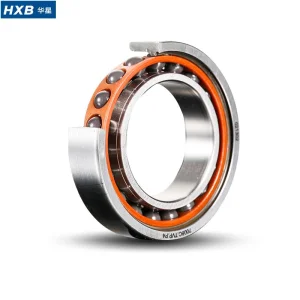
Machine tool spindles demand zero radial slack and low heat generation under high-frequency operation. Angular contact ball bearings (e.g., H7008 series with Si3n4 ceramic balls) are designed with specific preloads (Light, Medium, Heavy) to absorb combined radial and axial forces while maintaining cutting accuracies below 2 micrometers.
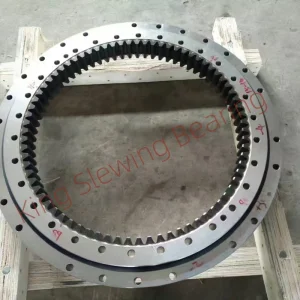
Heavy excavators, mobile cranes, and tunnel boring machines require heavy-duty slewing bearings capable of handling massive tilting moments and axial thrust loading. Heavy-duty internal and external geared slewing rings (e.g., Komatsu PC300-7 excavator turntables) feature surface-hardened raceways to prevent premature pitting and structural fatigue.
Modern EV motors demand bearings capable of resisting electrical stray currents that cause micro-fluting on raceways. Ceramic hybrid deep groove ball bearings (6000, 6200, 6300 series) provide galvanic isolation, zero electrical erosion, and sustained performance at rotational speeds reaching 20,000 RPM.
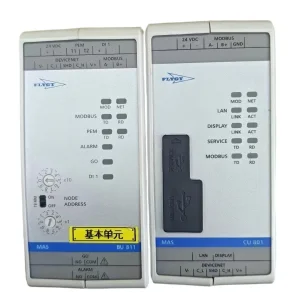
Fluid handling systems, such as Xylem Flygt pumps or industrial gas turbines, operate under abrasive, submerged, or ultra-high temperature conditions (up to 300°C+). High-temperature specialty bearings (e.g., 6002HT series) utilize specialized fluorinated lubricants (PFPE), viton seals, and wide radial internal clearances (C3/C4) to compensate for thermal expansion.
As smart factories evolve, the precision bearing sector is witnessing four disruptive innovations:
A strategic guide for VP of Purchasing, Quality Assurance Directors, and Mechanical Engineering Managers.
While unit purchasing price is critical, the true cost of a bearing encompasses installation labour, lubrication maintenance, unscheduled downtime, and premature failure risks. Partnering with a reliable Chinese manufacturer offering rigorous quality control reduces total operational risk by up to 60%.
Global buyers must verify key technical credentials: ISO 9001:2015, IATF 16949 (Automotive Quality Standard), full spectroscopic material composition reports, 3D CMM coordinate measuring capabilities, and 100% vibration sorting (Z/V testing).
Top wholesale manufacturers offer flexible stocking strategies including VMI (Vendor-Managed Inventory), safety stock buffer agreements, VCI anti-rust packaging, and expedited air delivery for critical operational spares.
Expert answers on bearing selection, material engineering, radial clearance, and customized manufacturing.
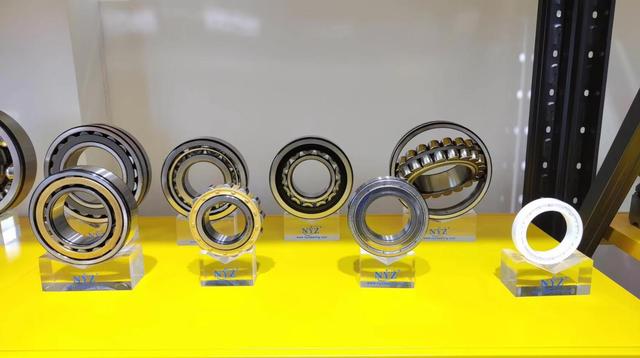
Specialty bearing configurations engineered for industrial, agricultural, and automotive systems.
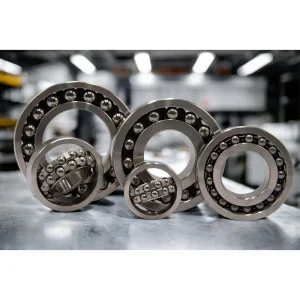
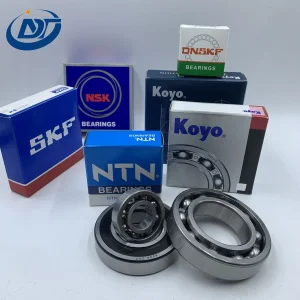
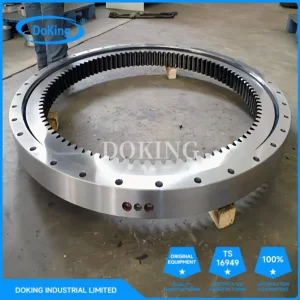

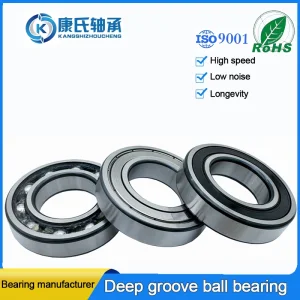
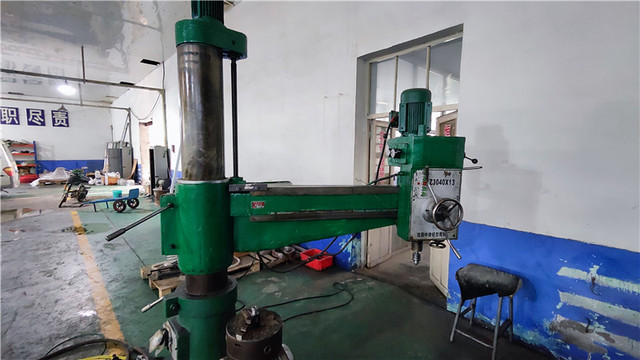
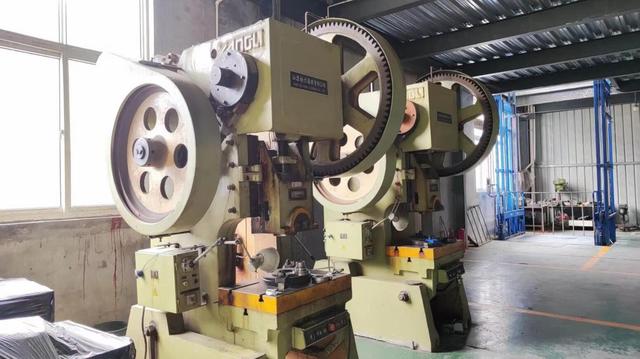
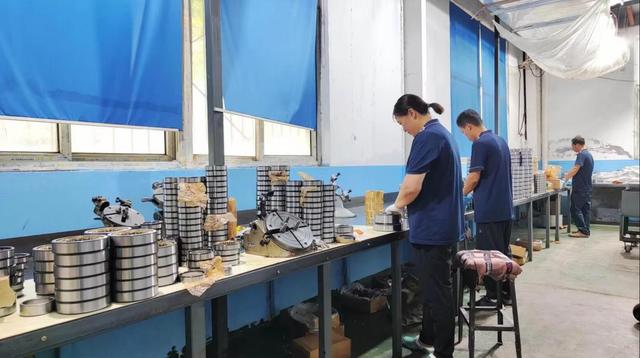
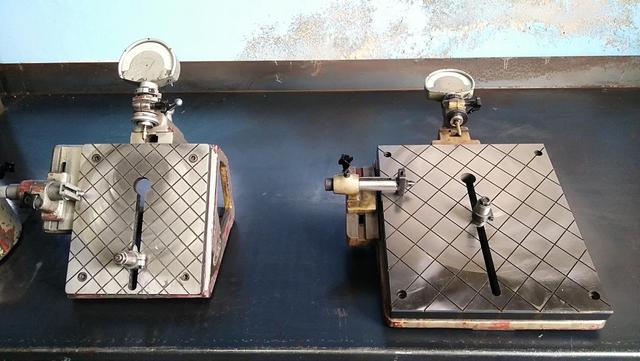
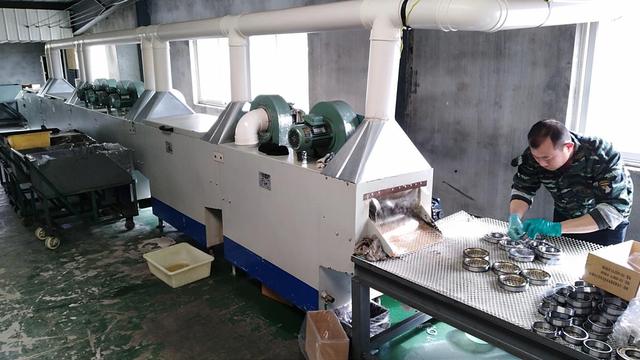
Verified factory operations, precision testing equipment, and international standard certification.
Our manufacturing facility operates under strict ISO 9001 and IATF 16949 quality management protocols. Every bearing batch undergoes rigid metallurgical testing, dynamic balancing, micro-finish roughness analysis, and automated optical inspection prior to final cleanroom packing and worldwide dispatch.

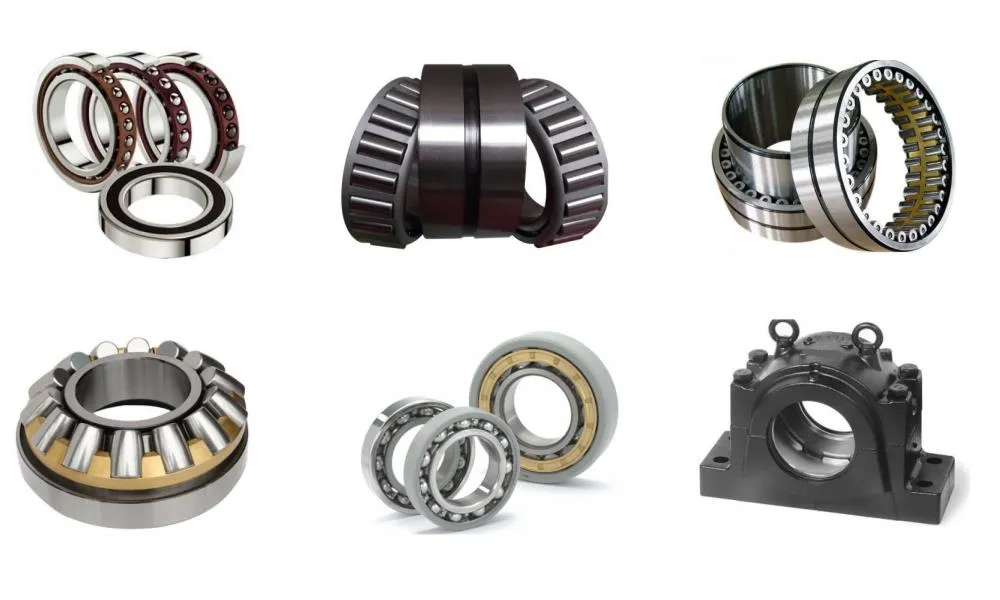
Our engineering desk provides rapid 12-hour response times, comprehensive CAD drawings, sample validation, and complete technical support for global wholesale buyers.
Contact Engineering Team → Ebmotrix Bearings