In the architecture of modern industrial machinery, load bearings represent the fundamental pivot of mechanical power transmission. These precision components are engineered to withstand extreme static and dynamic loads while minimizing frictional energy losses. From massive wind turbine rotors to precision aerospace gearboxes, selecting the right load bearing manufacturer directly dictates the reliability, operational efficiency, and overall lifecycle cost (TCO) of complex rotary systems.
As heavy industries migrate toward high-speed, automated, and environmentally demanding applications, bearing technology has evolved beyond traditional rolling elements. Manufacturers today leverage advanced metallurgy, hybrid ceramic materials, and integrated digital monitoring to meet the rising requirements of global supply lines. This document details the leading global suppliers, critical engineering considerations, and systemic shifts in high-load bearing manufacturing.
The global bearing market is undergoing a structural transition driven by automation, electrification, and decarbonization. These major trends are redefining product life cycles and performance envelopes:
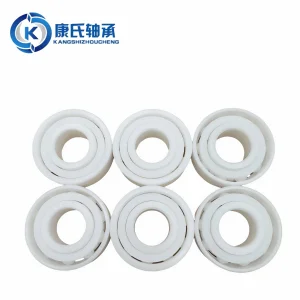
Standard high-carbon chromium steel (GCr15) remains the workhorse of the industry, but high-demand environments dictate the use of nitrogen-alloyed stainless steels and silicon nitride (Si3N4) ceramics. Ceramic ball bearings provide higher rotational speed capacities, reduce electrical current pitting, and perform reliably under extreme temperatures.
Predictive maintenance models now rely on sensors integrated directly into bearing housings. These systems monitor temperature, vibration frequencies, and lubricant degradation in real-time, preventing catastrophic component failure and minimizing unplanned machinery downtime.
Reducing rotational resistance is vital for energy conservation and high-efficiency metrics. Precision grinding, super-finishing raceways, and custom-engineered lubricants are standard methods deployed by top manufacturers to lower operating friction by up to 30%.
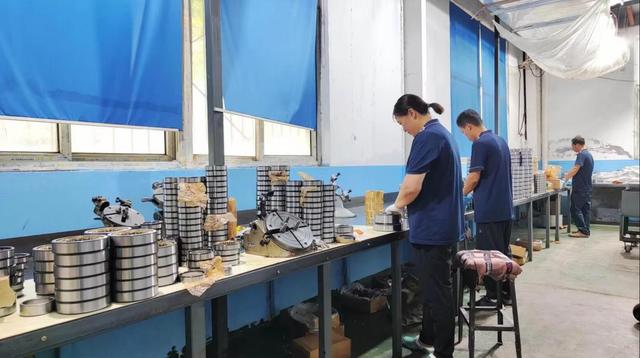
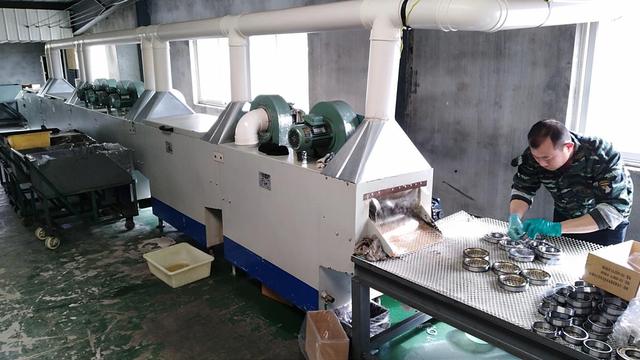
The Chinese bearing manufacturing landscape has shifted from high-volume production to a highly specialized, smart Industry 4.0 production framework. Leading Chinese facilities feature automated grinding lines, robotic assembly systems, and computerized inline metallurgical checks. This technical integration ensures structural uniformity and batch consistency, matching strict international performance standards.
This modernization delivers significant strategic advantages for global industrial buyers:

Navigating the global sourcing landscape requires understanding the key capabilities, technical specialties, and regional footprints of the industry's primary players:
| No. | Manufacturer Group | Primary Head Office Location | Technical Focus & Core Specialty | Recommended Industrial Applications |
|---|---|---|---|---|
| 1 | SKF Group | Sweden | Smart bearings, high-end engineering, Explorer class durability | Wind Energy, Aerospace, Mining, Steel mills |
| 2 | Schaeffler Group (FAG/INA) | Germany | Ultra-precision rolling elements, automotive powertrains | Precision Automotive, Industrial Machinery, Heavy Engineering |
| 3 | NSK Ltd. | Japan | Low-noise deep groove ball bearings, high-precision motion | Robotics, CNC Machine Tools, Electric Motors |
| 4 | NTN Corporation | Japan | Constant velocity joints, robust hub assemblies, spherical rollers | Automotive, Off-Road Construction Machinery |
| 5 | Timken Company | United States | Specialized tapered roller bearings, advanced steel metallurgy | Railways, Heavy Industrial Gearboxes, Metal Processing |
| 6 | JTEKT Corp. (Koyo) | Japan | High-reliability steering bearings, chemical-resistant designs | Automotive Steering Systems, Chemical Processing Plants |
| 7 | Nachi-Fujikoshi Corp. | Japan | Integrated robotics, tool steels, high-speed angular contact | Machining Centers, Robotic Arms, Heavy Duty Pumps |
| 8 | C&U Group | China | High-volume precision manufacturing, low-noise electric motor bearings | Household Appliances, Electric Vehicles, General Motors |
| 9 | ZWZ Bearing | China | Extra-large heavy-load slewing rings, railway wheelset bearings | Wind Turbine Slewing, Railway Freight Cars, Heavy Cranes |
| 10 | LYC Bearing | China | Custom structural bearings, heavy metallurgy equipment bearings | Hydraulic Turbines, Marine Propulsion, Mining Crushers |
Load bearings operate across a wide range of critical industries. Each operating environment demands specific configurations to withstand unique combinations of load, speed, temperature, and exposure to contaminants:
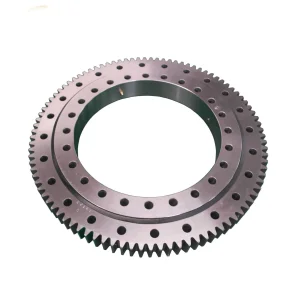
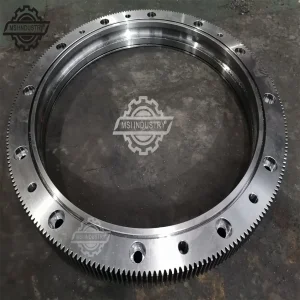
Excavator slewing rings and turntable gear bearings must sustain high overturning moments and combined axial and radial load distributions. These require hardened raceways and robust gear teeth to withstand shock loads.
Spindle bearings must operate with minimal thermal expansion and high radial stiffness. Cylindrical roller designs and high-speed ceramic hybrids ensure dimensional stability at high rotational speeds.
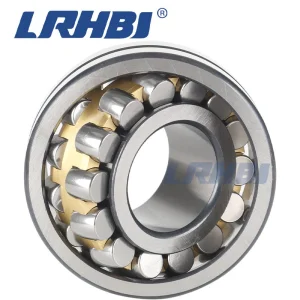
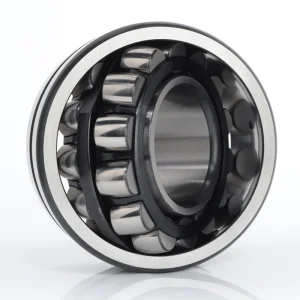
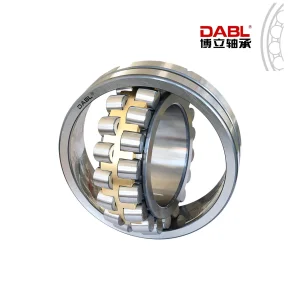
Vibrating screens and jaw crushers expose bearings to severe particulate contamination and continuous vibration. Spherical roller bearings with heavy-duty brass cages and dust seals are required for these conditions.
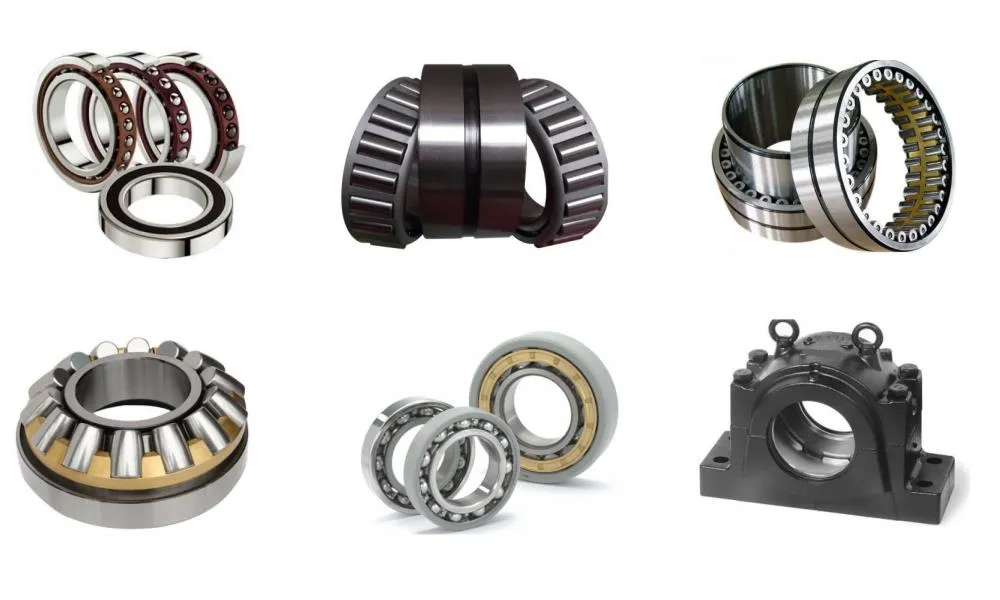
Our product scope covers standard designs alongside custom solutions engineered for specific operating requirements.
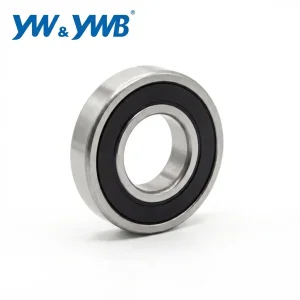
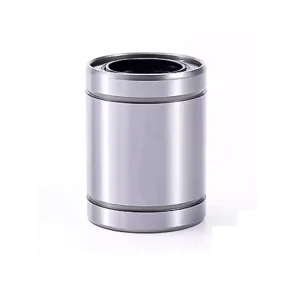
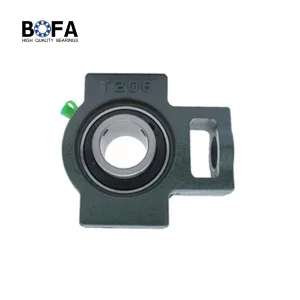
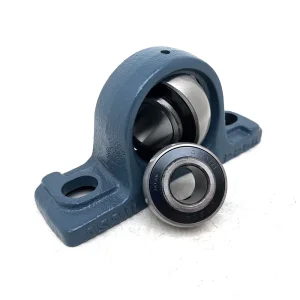
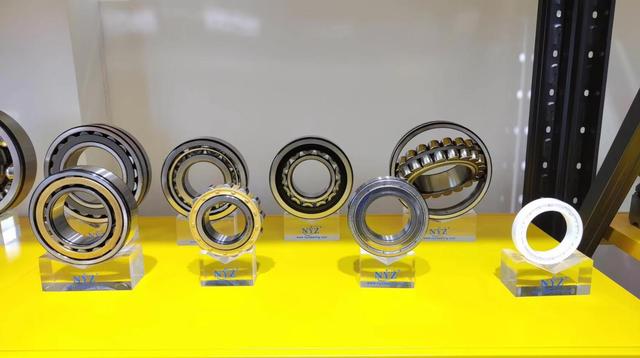
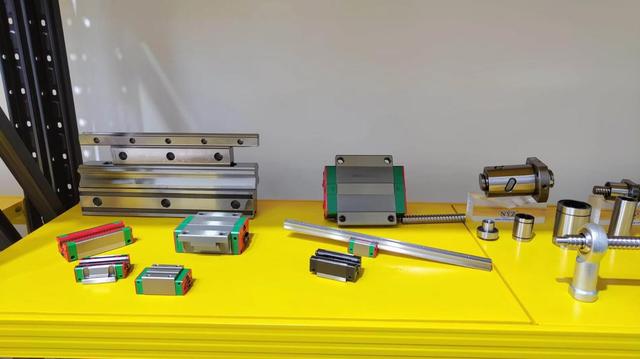
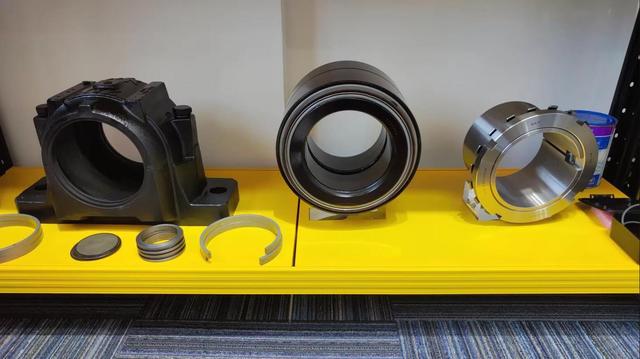
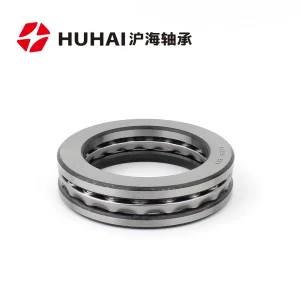
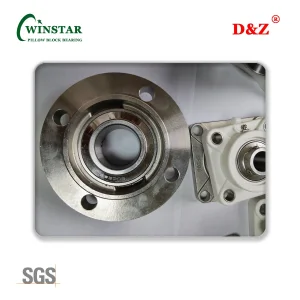
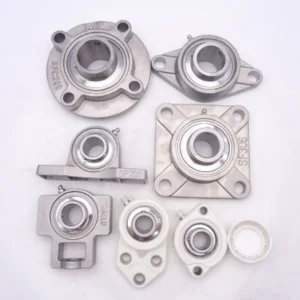
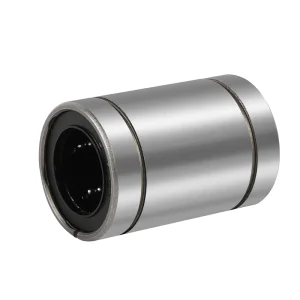
Deep groove ball bearings, self-aligning ball bearings, angular contact ball bearings, thrust ball bearings, cylindrical roller bearings, tapered roller bearings, spherical roller bearings, thrust cylindrical roller bearings, thrust spherical roller bearings, needle roller bearings, cross roller bearings, rolling mill bearings, pillow block bearings, and joint bearings. We also supply necessary accessories, including adapter sleeves and lock nuts.
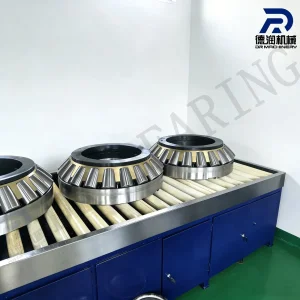
Non-standard dimensions, automotive hub units, extra-large mega-bearings for heavy industry, high-precision railway wheelsets, specialized joint bearings, high-temperature units (operating above 250°C), and ultra-precision assemblies.
Industrial procurement depends on components meeting precise technical specifications and delivery timelines. Our supply chain processes are designed to provide consistent reliability:
All bearing shipments are accompanied by origin and quality certificates, stamped and certified by the chamber of commerce. This documentation ensures raw material traceability and design compliance.
Our engineering sales team provides technical support, detailed quotes, and specification approvals within 12 hours of contact across global time zones.
We offer custom engraving, corrosion-inhibiting packaging, and industrial transport crates to protect components during shipping and storage.
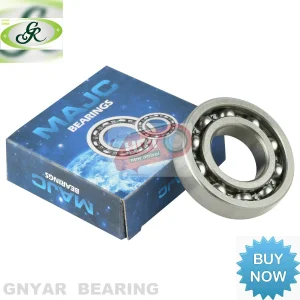
 Ebmotrix Bearings