How to Understand the Importance of Bearing Lubrication?

Time:2026-09-29 Author:Charlotte
0%

A bearing may look like a small metal component, but its performance depends on a thin, carefully maintained film of lubricant. In a motor, pump, or conveyor, that film separates moving surfaces and helps limit friction, wear, and heat. What is the importance of lubrication in bearings? It is not simply about adding grease. The right lubricant, amount, and replenishment interval help a bearing operate reliably under its actual load, speed, temperature, and environment.

Too little lubricant can leave surfaces vulnerable to damage. Too much can also cause trouble, including excess heat and churning, particularly in high-speed applications. Dust, moisture, and incompatible greases may shorten service life as well. A practical check might involve listening for unusual noise, measuring operating temperature, and inspecting lubricant condition, while following the bearing manufacturer’s guidance. Small clues matter. A warm housing alone does not prove lubrication failure, so it should be considered alongside operating conditions and maintenance history.

Understanding lubrication helps maintenance teams make better decisions and avoid treating every bearing problem the same way. Grease and oil each suit different designs and operating needs; neither is universally best. Even a sound maintenance plan needs review when speed, load, or surroundings change. That part is easy to overlook. By learning how lubricant selection, application, contamination control, and monitoring work together, readers can better protect equipment and recognize when a qualified technician or manufacturer should assess a persistent problem.
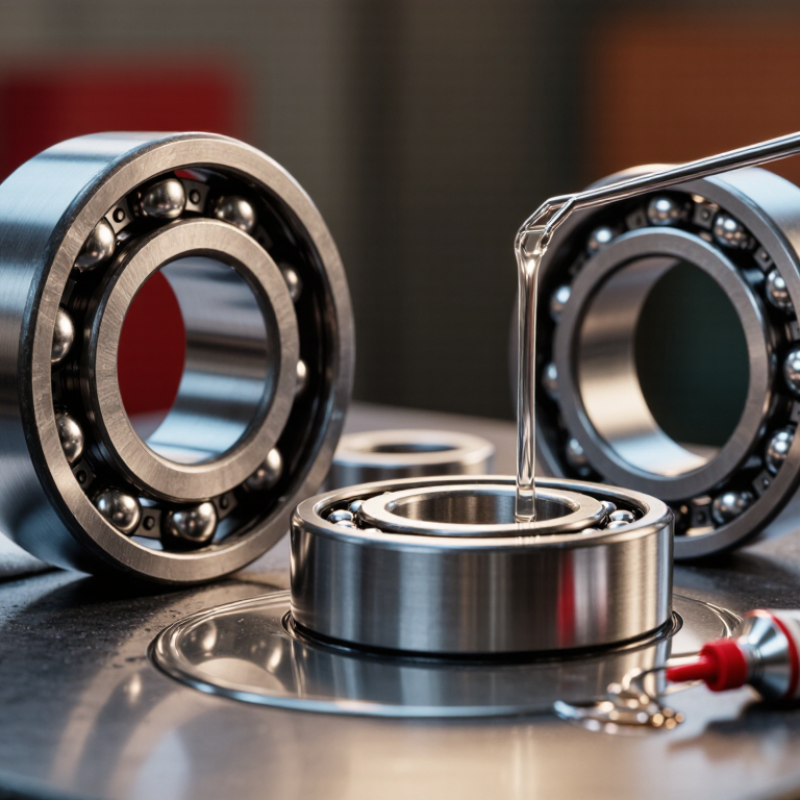
How to Understand the Importance of Bearing Lubrication?

What Bearing Lubrication Is and How It Works

Bearing lubrication is the controlled supply of oil or grease to the moving surfaces inside a bearing. Its main job is to create a thin film between rolling elements and raceways. When the film is adequate, metal surfaces rub less directly, reducing friction, heat, and wear. That thin layer matters.

As a bearing rotates, its balls or rollers carry lubricant through the contact zone. Oil can flow and help carry heat away, while grease stays in place and releases oil gradually. The right choice depends on speed, load, temperature, sealing, and the surrounding conditions. A dusty workshop, for example, may need different protection from a clean, enclosed machine.

Too little lubricant can allow surface damage and rising temperatures. Too much grease can also cause trouble: churning may generate heat and increase resistance. In practice, maintenance workers check the bearing’s operating temperature, sound, and vibration, then compare them with normal readings. A faint hum alone does not prove a problem, and every bearing does not follow the same relubrication interval. Manufacturer guidance and actual operating conditions both matter. Even careful maintenance can involve uncertainty, so records of lubricant type, quantity, and service date help reveal patterns over time.

How Lubrication Reduces Friction and Wear

A bearing may look smooth, yet its rolling surfaces contain microscopic peaks. Lubricant forms a film between them, reducing direct contact, friction, and surface damage. Less friction also means less heat during operation. Small details matter. If the oil is too thin for the load or temperature, the film may fail. Excess lubricant can also churn, increasing heat and resistance. Neither “more” nor “thicker” always means better.

A 2017 review by Holmberg and Erdemir in the journal Friction estimated that tribological contacts account for about 23% of global energy use, with roughly 20% spent overcoming friction. This is a broad estimate, not a bearing-specific measurement, but it shows why friction control matters. In practice, match lubricant viscosity to speed, load, and operating temperature. Check for contamination, unusual heat, and discolored lubricant during inspections. A bearing that runs quietly is not automatically well lubricated; wear can develop before noise becomes obvious. And even careful maintenance cannot remove every uncertainty: real loads and temperatures often vary more than a chart suggests.

How to Understand the Importance of Bearing Lubrication? - How Lubrication Reduces Friction and Wear

Lubrication condition Effect on friction Effect on heat Likely wear or damage Practical indicators
Appropriate lubricant and quantity A lubricant film separates rolling and sliding surfaces, reducing direct contact. Friction-related heat is controlled when lubricant type, viscosity, and supply suit the operating conditions. Helps limit surface fatigue, scuffing, and abrasive wear; does not eliminate normal fatigue limits. Stable operating temperature and noise, with no signs of lubricant leakage or contamination.
Insufficient lubricant The protective film may become too thin, increasing metal-to-metal contact and friction. More contact can raise bearing temperature, especially under load or at high speed. Can accelerate smearing, scuffing, surface distress, and premature fatigue damage. Unusual noise, rising temperature, dry or discolored lubricant, or visible surface marks.
Excess lubricant Churning or excessive grease agitation can increase drag, particularly in high-speed applications. Additional drag may generate heat and can shorten lubricant service life. May contribute to grease leakage, seal stress, and lubricant degradation. Persistent temperature increase after relubrication, grease purging, or increased operating resistance.
Contaminated lubricant Particles or water can disrupt the lubricant film and interfere with smooth rolling contact. Friction and surface damage can produce additional heat during operation. Hard particles can cause abrasive indentations; water can promote corrosion and lubricant deterioration. Cloudy or dirty lubricant, corrosion staining, vibration changes, or visible debris.
Unsuitable viscosity or lubricant type Viscosity that is too low may not maintain an adequate film; viscosity that is too high can increase drag. Either poor film formation or excess internal resistance can lead to higher operating temperatures. May increase wear or cause overheating, depending on speed, load, temperature, and bearing design. Check lubricant specifications against the bearing manufacturer’s guidance and actual operating conditions.

Note: These are general operating principles. Actual results depend on bearing design, load, speed, temperature, sealing, lubricant condition, and maintenance practices.

How Proper Lubrication Supports Bearing Performance

How to Understand the Importance of Bearing Lubrication?

How Proper Lubrication Supports Bearing Performance

A thin lubricant film keeps rolling elements separated from raceways, reducing friction, heat, and surface wear. In a motor bearing, the difference can be felt as a cooler housing and heard as less rumble. Too little lubricant allows metal contact; too much can churn, overheat, and damage seals. Neither condition is harmless. ISO 281:2007 includes lubrication viscosity and contamination in its bearing-life adjustment method. Its viscosity ratio, κ, compares lubricant viscosity at operating temperature with the viscosity needed for adequate film formation. That detail matters: grease that seems thick in a cold workshop may thin considerably inside a warm bearing.

Good lubrication also carries heat away and helps block moisture and fine debris. Yet performance depends on more than lubricant choice. Speed, load, temperature, seal condition, and relubrication interval all matter. A common mistake is adding grease by habit; excess may raise temperature rather than extend service life. Actual conditions can be messier than maintenance charts suggest, so record measurements and revise intervals when evidence points elsewhere.

Tips: Check the lubricant specification and operating temperature before topping up. Use clean tools, keep grease fittings covered, and watch for changes in bearing temperature, noise, or vibration. If readings drift, investigate the cause before adding more lubricant.

What Happens When Bearings Are Underlubricated or Overlubricated

How to Understand the Importance of Bearing Lubrication?

What Happens When Bearings Are Underlubricated or Overlubricated

When a bearing lacks lubricant, its rolling elements lose the protective film separating metal surfaces. Friction rises, heat builds, and surfaces may develop scoring or discoloration. A widely cited industry failure-analysis estimate attributes about 36% of bearing failures to lubrication problems. Treat that figure as an industry estimate, not a prediction for every machine. The actual cause depends on load, speed, temperature, and maintenance practice. A dry, high-speed bearing can deteriorate quickly. Sometimes, the first clue is a rising temperature trend.

Too much grease is not safer. Excess lubricant churns inside the housing, creating heat and resistance; seals may also be pushed out, letting contaminants enter. In a 2016 US Department of Energy operations-and-maintenance guide, lubrication is treated as a core preventive-maintenance task, alongside condition monitoring and correct application. That is useful context, but it does not mean every bearing needs the same amount or interval. Follow the equipment maker’s service instructions and check temperature, noise, vibration, and grease condition over time. A small grease gun can still deliver too much. It is easy to overlook that. Use measured quantities, clean fittings before adding grease, and record each service.

How to Choose and Maintain Bearing Lubricants

Choosing a bearing lubricant starts with the operating conditions, not the price of the grease. Check the bearing manufacturer’s specified viscosity, then account for speed, load, temperature, moisture, and dust. ISO 281:2007 includes a lubrication condition factor in its bearing-life calculation, reflecting how lubricant film quality affects predicted service life. Too thin a film can allow metal contact; excessive grease can raise churning heat. The details matter.

Maintenance needs equal care. A widely cited industry estimate attributes about 36% of bearing failures to inadequate lubrication, though failure rates vary with equipment and operating conditions. Use that figure as a warning, not a forecast. Set relubrication intervals from operating data and inspection, and use clean tools to avoid introducing grit.

Watch for grease that has darkened, separated, or developed a burnt smell. Keep lubricant types separate unless compatibility is confirmed. Small mistakes count. Over-greasing is easy to do.

A short maintenance log should record lubricant type, quantity, date, temperature, and any unusual noise or vibration. Even good schedules need review when duty changes. I still find dust exposure easy to underestimate.

FAQS

What is bearing lubrication?

It supplies oil or grease to moving bearing surfaces. The lubricant forms a thin film. This reduces direct metal contact, friction, heat, and wear.

How does lubricant move inside a bearing?

Balls or rollers carry lubricant through the contact zone as the bearing rotates. Oil flows more easily and can remove heat. Grease stays in place longer.

Should I choose oil or grease?

The choice depends on speed, load, temperature, sealing, moisture, and dust. Oil suits some high-speed or heat-producing conditions. Grease offers better staying power.

What happens when a bearing has too little lubricant?

The protective film may become too thin. Metal contact can increase surface damage, temperature, and wear. Small shortages matter.

Can too much grease damage a bearing?

Yes. Excess grease can churn inside the bearing. Churning increases resistance and operating temperature. More grease is not always safer.

How can I check a bearing during maintenance?

Check operating temperature, sound, and vibration against normal readings. A faint hum alone does not prove failure. Look for changing patterns.

How often should a bearing be relubricated?

There is no universal interval for every bearing. Base the schedule on operating data, inspection, and actual working conditions. Duty changes may require review.

What should a maintenance record include?

Record lubricant type, quantity, service date, temperature, noise, and vibration. Use clean tools to prevent grit from entering. Records reveal patterns.

What signs suggest lubricant deterioration?

Watch for darkened grease, separation, or a burnt smell. Keep different lubricant types separate unless compatibility is confirmed. Some warning signs are easy to miss.

How reliable are lubrication-related failure estimates?

One industry estimate links about 36% of bearing failures to inadequate lubrication. Treat this as a warning, not a prediction. Actual results vary.

Conclusion

Bearing lubrication creates a protective film between moving surfaces, helping rolling elements and raceways operate smoothly. To understand what is the importance of lubrication in bearings, consider how this film reduces direct contact, friction, heat, and surface wear. Proper lubrication supports efficient rotation, stable performance, quieter operation, and a longer service life. It also helps protect bearing surfaces from corrosion and contamination when the lubricant and application are well matched.

Too little lubricant can allow excessive friction and heat, accelerating wear and potentially causing premature failure. Too much can also be harmful, increasing churning resistance and temperature or interfering with normal operation. Choosing a lubricant therefore involves considering the bearing type, operating speed, load, temperature, and surrounding conditions. Regular inspection and appropriate replenishment help keep lubrication effective, while following suitable maintenance practices can prevent both underlubrication and overlubrication.

Charlotte

Charlotte

Charlotte is a seasoned marketing professional with a deep understanding of the company's portfolio and a passion for elevating its presence in the market. With a keen eye for detail and a commitment to excellence, she ensures that our professional blog is regularly updated with insightful articles......