Top 10 Tips to Prevent Bearing Failure in Heavy Machinery?

Time:2026-05-05 Author:Madeline
0%

Bearing failure is a significant concern in heavy machinery, impacting productivity and safety. Research from the International Journal of Industrial Ergonomics indicates that over 40% of machinery downtime is due to bearing failures. This not only leads to increased maintenance costs but also results in lost revenue. Understanding how to prevent bearing failure in heavy machinery is crucial for operators and maintenance teams alike.

Proper maintenance practices can greatly extend bearing life. Implementing regular inspections and using quality lubricants are essential steps. The American Society of Mechanical Engineers emphasizes that the right lubrication regime can increase bearing longevity by up to 50%. Despite these recommendations, many operators still neglect these practices, leading to premature failures.

Educating staff on bearing management is vital. A skilled workforce can identify early signs of wear, especially in high-stress applications. However, many companies overlook training opportunities. As a result, unanticipated machine failures continue to occur. Taking proactive measures is the key to minimizing disruptions in operations and enhancing overall efficiency.
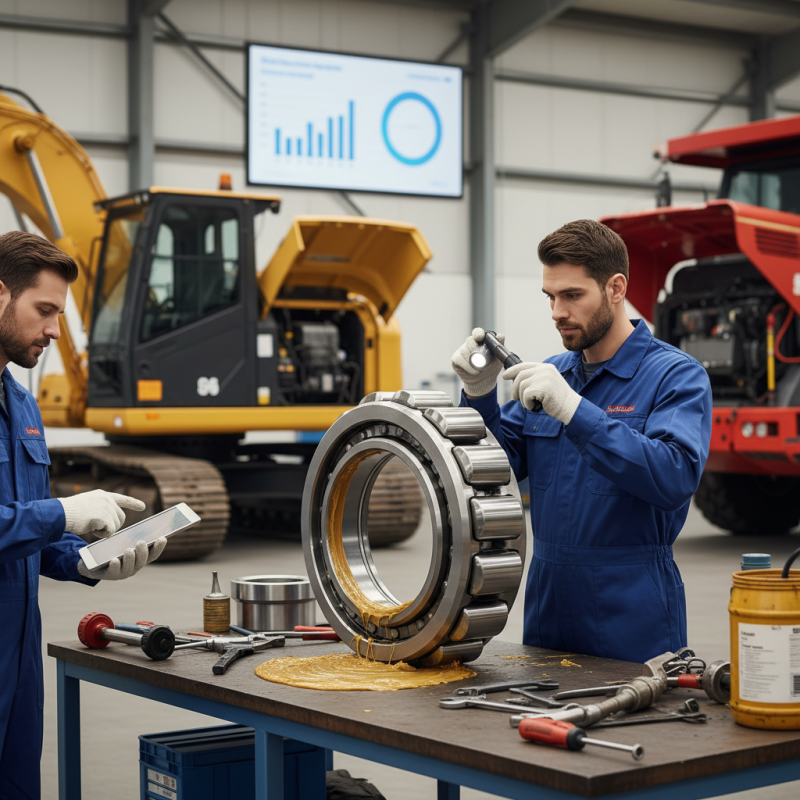
Top 10 Tips to Prevent Bearing Failure in Heavy Machinery?

Best Practices for Lubrication to Extend Bearing Lifespan

Lubrication plays a crucial role in extending the lifespan of bearings in heavy machinery. Quality lubricants reduce friction and wear. According to a study, improper lubrication accounts for nearly 36% of bearing failures. Regularly checking lubrication levels can prevent this.

Choosing the right lubricant type is essential. Many industries report that using multi-purpose grease leads to increased operational efficiency. Specifically, lithium-based greases are popular due to their high temperature resistance. They offer better protection for bearings under heavy loads. However, over-lubrication can lead to excessive heat, causing more wear. It creates pressure that can lead to grease leaks.

Monitoring lubricant conditions is vital. Implementing regular oil analysis helps identify contamination early. Reports indicate that machinery operators using this method can extend bearing life by 30%. Maintaining a clean working environment also reduces the risk of contaminants entering the lubricants. Practicing these methods not only enhances bearing performance but also reduces unexpected downtimes.

Top 10 Tips to Prevent Bearing Failure in Heavy Machinery

Understanding Load Capacity Ratings for Different Bearing Types

Understanding load capacity ratings is crucial when selecting bearings for heavy machinery. Different bearing types, like roller and ball bearings, come with unique load ratings. These ratings determine how much weight the bearing can support without failing. Overloading a bearing can lead to premature wear or catastrophic failure. Therefore, it is essential to match the bearing's ratings with the machine's operational demands.

To prevent bearing failure, one effective strategy is to monitor operating conditions regularly. Regular checks for temperature, lubrication levels, and vibrations can reveal issues before they escalate. Another helpful tip is to ensure proper alignment during installation. Misalignment can significantly reduce a bearing’s lifespan. Finally, ongoing training for operators can improve handling practices and maintenance schedules.

Being aware of environmental factors is also vital. Conditions like humidity and temperature can affect a bearing’s performance. To mitigate risks, consider using seals or shields to protect against debris. Using proper storage methods for bearings can prevent contamination before installation. With these strategies, operators can extend the life of heavy machinery and reduce unexpected failures.

Implementing Vibration Analysis to Detect Early Signs of Failure

Vibration analysis is a powerful tool in preventing bearing failure in heavy machinery. By monitoring vibrations, operators can detect early signs of wear and misalignment. Using accelerometers, vibrations are measured and analyzed against established norms. This process allows for the identification of potential problems before they escalate.

Regular vibration monitoring helps maintain optimal performance. Sudden increases in vibration may indicate issues like imbalance or damaged bearings. It's essential to record baseline data and recognize deviations. Analysis must be ongoing, not just a one-time task. Inconsistent monitoring can lead to blind spots in machinery health.

Implementing vibration analysis effectively requires trained personnel. Understanding the data is crucial. Misinterpretation can lead to unnecessary repairs or, worse, failures. Operators should commit to continuous learning and regularly review findings. Mistakes in analysis can be costly, highlighting the need for reliable procedures and tools.

Keeping Operating Temperatures Within Manufacturer's Specifications

Maintaining the correct operating temperatures in heavy machinery is essential for bearing longevity. Each machine has specific temperature ranges that ensure optimal performance. Exceeding these limits can lead to premature wear and tear, setting the stage for failure. Regularly checking temperature gauges and using thermal imaging can help identify overheating issues early.

Heat generation often results from friction, improper lubrication, or excessive loads. Inadequate lubrication creates higher friction, which raises temperatures. It’s critical to choose the right lubricant that matches the manufacturer’s specifications. Over time, contaminants can degrade lubricant performance. Regular oil changes and filters are necessary to maintain effective lubrication.

Operators should also monitor operating conditions closely. Overloading machinery can lead to stress and increased temperatures, ultimately affecting bearing life. Continuous training and awareness of temperature limits can empower operators to make informed decisions. Recognizing the signs of overheating can be a game changer in preventing larger issues.

Conducting Regular Maintenance Inspections to Identify Wear and Tear

Regular maintenance inspections are crucial in preventing bearing failure in heavy machinery. The International Journal of Engineering Sciences reports that 30% of machinery failures occur due to inadequate maintenance. By conducting scheduled inspections, operators can identify issues like wear and tear early on. Bearings endure significant stress, and unchecked damage may lead to catastrophic failures and costly downtime.

During these inspections, focus on key indicators such as temperature, vibration, and lubrication levels. Small anomalies can indicate bigger problems. A slight increase in temperature can suggest insufficient lubrication or contamination. The American Society of Mechanical Engineers emphasizes that routine checks can increase machinery life by up to 50%. However, some operators still overlook this essential practice.

Consider utilizing technology like vibration analysis and thermal imaging. These tools can provide deeper insights into the health of bearings. Yet, they come with challenges. Many operators find these technologies complex or costly. Training staff effectively can be a hurdle too. Continuous improvement in maintenance strategies, alongside regular inspections, remains critical in avoiding unexpected failures.

Top 10 Tips to Prevent Bearing Failure in Heavy Machinery

Tip Number Maintenance Action Frequency Expected Outcome
1 Inspect Bearings for Wear Monthly Identify early signs of failure
2 Check Lubrication Levels Weekly Reduce friction and wear
3 Monitor Vibration Levels Continuous Detect misalignment or imbalance
4 Clean Bearings Regularly Biweekly Prevent contamination
5 Check Alignment of Components Quarterly Ensure optimal load distribution
6 Replace Worn Bearings As Needed Maintain operational reliability
7 Verify Load Conditions Monthly Avoid overload situations
8 Inspect Seals and Shields Every 6 Months Prevent dirt and moisture ingress
9 Test Oil Properties Annually Ensure effective lubrication
10 Train Operators on Best Practices Ongoing Reduce human errors

FAQS

: Why is lubrication important for bearing lifespan?

: Lubrication reduces friction and wear, extending bearing life significantly.

What can cause bearing failures?

Improper lubrication accounts for nearly 36% of bearing failures.

How can I choose the right lubricant?

Select lubricants based on operational demands and conditions, like temperature and load.

What risks are associated with over-lubrication?

Over-lubrication can create heat and pressure, leading to grease leaks and more wear.

How often should I monitor lubricant conditions?

Regular checks, including oil analysis, are vital for extending bearing life by about 30%.

What factors influence load capacity ratings?

Bearing types, weight, and environmental conditions affect load capacity ratings significantly.

How can I prevent premature bearing failure?

Regular inspections for temperature, lubrication, and service alignment are key prevention strategies.

What tools can assist in maintenance inspections?

Vibration analysis and thermal imaging can help detect issues early but can be complex.

Why do operators overlook maintenance checks?

Some operators may find maintenance practices tedious or feel they lack sufficient time.

What is the effect of training on maintenance practices?

Ongoing training can improve handling, but many operators struggle with the training process.

Conclusion

To effectively address how to prevent bearing failure in heavy machinery, implementing best practices for lubrication is crucial as it significantly extends the lifespan of bearings. Proper lubrication minimizes friction and wear, which are primary contributors to premature failure. Additionally, understanding the load capacity ratings for various bearing types ensures that machinery operates within safe limits, reducing the risk of overload and subsequent damage.

Regular maintenance inspections are equally important, as they help identify early signs of wear and tear before they escalate into significant issues. Utilizing vibration analysis can also play a key role in detecting potential failures, allowing for timely interventions. Lastly, keeping operating temperatures within the manufacturer's specifications is essential to maintain optimal performance and prevent overheating that can lead to bearing degradation. By following these strategies, operators can significantly mitigate the risks associated with bearing failure in heavy machinery.

Madeline

Madeline

Madeline is a dedicated marketing professional with a wealth of expertise in our company's core offerings. With a keen understanding of the industry, she brings a unique perspective to her role, consistently delivering high-quality content that highlights the superior aspects of our products. As......