Top 5 Tips to Choose the Right Bearing for Industrial Applications?

Time:2026-07-26 Author:Charlotte
0%

Choosing the right bearing for industrial applications is crucial. The right choice can lead to improved efficiency and reduced downtime. This guide offers practical insights into how to choose the right bearing for industrial applications.

Understand the specific requirements of your machinery. Factors like load capacity, speed, and environmental conditions matter. For example, a bearing used in a humid environment must resist corrosion. Additionally, consider the type of lubrication needed. It plays a vital role in the bearing's longevity.

Different applications can lead to confusion. Not every bearing is suitable for every task. Often, experimentation is necessary to find the best fit. Don’t neglect the manufacturer's guidelines and recommendations. Their expertise can guide you through your selection. Remember to weigh the pros and cons of each option carefully. The right decision can make a significant difference in performance.
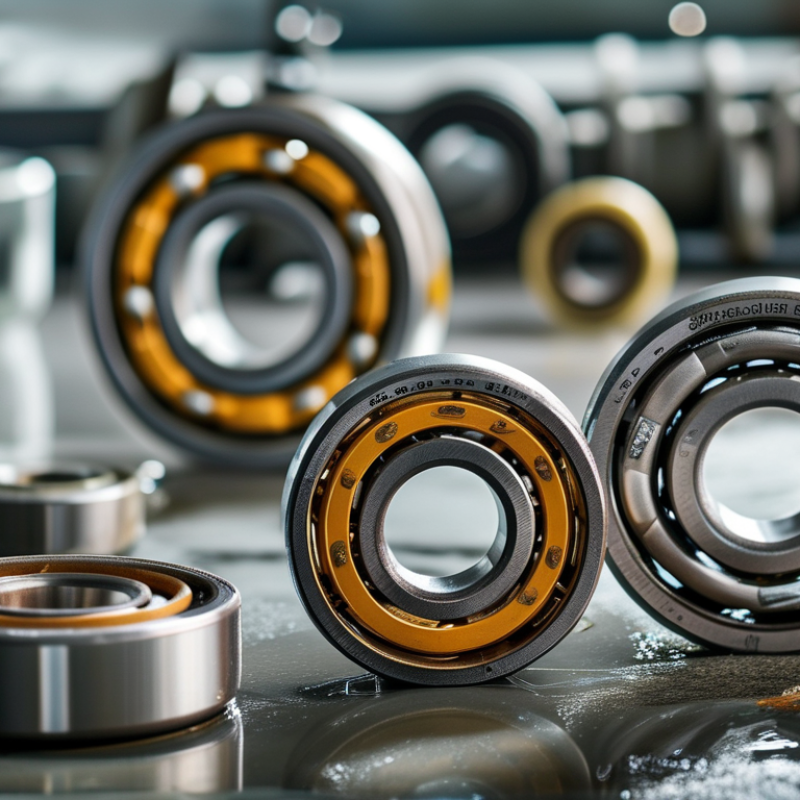
Top 5 Tips to Choose the Right Bearing for Industrial Applications?

Understanding Different Types of Bearings Available for Industrial Use

Choosing the right bearing for industrial applications is crucial. There are various types, each designed for specific functions and environments. For example, ball bearings are widely used due to their versatility. They can handle both radial and axial loads efficiently. Data shows that they are preferred in 60% of manufacturing settings because of their low friction and high-speed capabilities.

Roller bearings, on the other hand, can support heavier loads and are often used in heavy machinery. According to the American Bearings Manufacturers Association, roller bearings are about 30% more effective in load handling compared to ball bearings. Understanding the differences is essential for optimal performance. Many industries overlook the specifics, leading to premature bearing failures.

To ensure longevity, consider the operating environment. Lubrication type, temperature, and exposure to contaminants all play crucial roles. A recent industry report highlighted that 17% of bearing failures are due to improper lubrication. This statistic emphasizes the need for careful selection. Look beyond basic specs; examine each bearing’s suitability for your application. Balancing cost with performance is often more challenging than anticipated.

Identifying Load Requirements and Environmental Conditions for Your Application

Choosing the right bearing for industrial applications begins with understanding load requirements. Load analysis is critical. Bearings are typically rated for axial and radial load capacities. According to industry experts, miscalculating these loads can reduce bearing lifespan by up to 50%. It's crucial to assess consistent loads versus dynamic loads in your specific application.

Environmental conditions also play a significant role. High temperatures, moisture, and contamination can greatly affect bearing performance. Data from the American Society of Mechanical Engineers indicates that bearings exposed to hostile environments can fail prematurely. For instance, even small amounts of dust can increase wear rates significantly. Additionally, temperature fluctuations can cause thermal expansion and contraction, affecting fit and alignment.

Incorporating these factors into your selection process is essential but challenging. Balancing load requirements and environmental conditions demands careful evaluation. Refining your criteria can prevent unexpected failures. Regular maintenance checks should align with environmental updates to ensure optimal performance.

Material Considerations: Choosing the Right Bearing for Durability and Performance

When selecting bearings for industrial applications, material selection is crucial for ensuring durability and optimal performance. Bearings are commonly made from various metals, plastics, and composites. Each material has unique properties affecting its strength, wear resistance, and temperature tolerance. According to industry reports, bearings made of high-quality steel can withstand higher loads and last longer. On the other hand, polymer bearings offer excellent resistance to corrosion and can function effectively in harsh environments.

Tip one: Assess your environment. Factors such as humidity, temperature, and exposure to chemicals significantly influence material choice. For instance, bearings used in food processing must comply with stringent hygiene standards. For these applications, stainless steel or high-performance polymers are often preferred.

Tip two: Consider the load and speed. Bearings subjected to heavy loads may require materials with high tensile strength. Reports indicate that ceramic-based bearings can operate at higher speeds while reducing friction, making them suitable for high-speed applications.

Selecting the appropriate material requires careful thought. Many overlook the impact of maintenance on bearing life. Regular inspection can reveal early signs of wear, indicating whether the chosen material meets performance expectations. Engaging with industry standards for material selection can also guide the process, ensuring your choice is informed and effective.

Top 5 Tips to Choose the Right Bearing for Industrial Applications

Tip Material Consideration Benefits Applications
1. Understand Load Requirements High Carbon Steel High strength and toughness Heavy machinery
2. Consider Operating Environment Stainless Steel Corrosion and rust resistance Food processing, marine environments
3. Assess Speed and Precision Needs Ceramic Composites High speed and low friction Precision machinery, aerospace
4. Evaluate Temperature Conditions Polymer Materials Lightweight and thermal resistance Automotive, electronics
5. Review Cost vs. Performance Bronze Alloys Cost-effective with good wear properties General purpose, lower load applications

Evaluating the Importance of Speed and Friction in Bearing Selection

Choosing the right bearing for industrial applications largely depends on understanding speed and friction. High-speed applications demand specific bearings that can withstand intense conditions without overheating. According to industry reports, bearings operating at optimal speeds can handle up to 30% more load than those used outside their defined limits. This increased load capacity is crucial for equipment longevity and performance.

Friction plays a pivotal role in the efficiency of bearings. Lower friction results in less heat generation, which is vital for high-speed operations. Notably, studies suggest that every 1% reduction in friction can yield up to a 10% increase in energy efficiency. However, achieving the perfect balance between speed and friction requires careful evaluation.

In practice, selecting bearings often involves trade-offs. High-speed bearings may sacrifice durability for performance. Conversely, choosing more robust options can lead to increased friction and heat. Regular assessments of operating conditions and application requirements are necessary. This continuous reflection on choices helps maintain operational efficiency and extend the lifespan of machinery.

Maintenance and Lubrication Practices to Extend Bearing Lifespan

In industrial applications, proper maintenance and lubrication practices are crucial for extending the lifespan of bearings. According to the Machinery Failure Prevention Technology (MFPT), approximately 42% of bearing failures are attributed to improper lubrication. Regular monitoring of lubrication levels can help prevent premature wear. Make sure to choose the right lubricant based on operating conditions.

One effective tip for maintenance is to implement a scheduled lubrication regime. This can significantly enhance performance. The American Society of Mechanical Engineers (ASME) suggests that bearings running in contaminated environments may need more frequent lubrication. Additionally, utilize modern monitoring techniques, such as vibration analysis, to detect early signs of failure. This proactive approach can save companies substantial costs.

Even with the best practices, mistakes can happen. Some operators may apply too much grease, leading to increased temperature and damage. It’s vital to train maintenance teams on proper techniques and address potential pitfalls in lubrication practices. Acknowledging these errors allows for continuous improvement. By fostering a culture of awareness, industries can prolong the lifespan of their bearings and improve overall equipment reliability.

FAQS

: What types of bearings are available for industrial use?

: Various types exist, including ball bearings and roller bearings, each serving different functions and environments.

Why are ball bearings commonly used?

Ball bearings are versatile and can efficiently handle both radial and axial loads, preferred in many manufacturing settings.

What is the advantage of roller bearings?

Roller bearings support heavier loads and can be about 30% more effective in load handling than ball bearings.

How can operating environment affect bearing performance?

Factors like lubrication type, temperature, and contaminants play a crucial role in bearing longevity and failure rates.

What causes many bearing failures?

A significant portion of failures, nearly 17%, results from improper lubrication, highlighting the need for careful selection.

How does speed influence bearing selection?

High-speed applications require specific bearings capable of withstanding intense conditions without overheating, impacting load capacity.

What is the relationship between friction and energy efficiency?

Lower friction generates less heat, and even a 1% reduction can lead to a 10% increase in energy efficiency.

Are there trade-offs in selecting bearings?

Yes, high-speed bearings may sacrifice durability, while robust options can lead to increased friction and heat.

How can regular assessments benefit bearing performance?

Continuous reflection on operating conditions helps maintain efficiency and extends the lifespan of machinery components.

What should I consider beyond basic specifications?

Examine each bearing's specific suitability for your application, balancing cost and performance can be more complex than expected.

Conclusion

When considering how to choose the right bearing for industrial applications, it’s essential to understand the various types of bearings available and their specific uses. Start by identifying the load requirements and environmental conditions, as these factors greatly influence bearing performance. Selecting the right material is also crucial for ensuring durability and performance, as different applications may require varying material strengths.

Furthermore, speed and friction play a significant role in bearing selection, necessitating a careful evaluation to match the right bearing with the operational demands. Lastly, implementing proper maintenance and lubrication practices can significantly extend the lifespan of bearings, making it vital to incorporate these measures into your operational routine. By following these guidelines, you can ensure optimal performance and efficiency in your industrial applications.

Charlotte

Charlotte

Charlotte is a seasoned marketing professional with a deep understanding of the company's portfolio and a passion for elevating its presence in the market. With a keen eye for detail and a commitment to excellence, she ensures that our professional blog is regularly updated with insightful articles......