In recent years, the demand for sustainable practices has reshaped various industries. The bearing manufacturing sector is no exception. Buyers worldwide now prioritize sustainability when sourcing products. This shift highlights how sustainability impacts bearing manufacturing and the importance of responsible production methods.
Manufacturers are now adopting eco-friendly materials and processes. This encourages innovation. However, the transition may present challenges. Not all companies have the resources to implement sustainable practices immediately. Some struggle to adapt, reflecting a need for continuous improvement.
Moreover, global buyers are increasingly investing in suppliers who prioritize sustainability. They seek transparency in production practices. This trend is reshaping supplier relations and market dynamics. Ultimately, understanding how sustainability impacts bearing manufacturing can help businesses align with market expectations and consumer values.
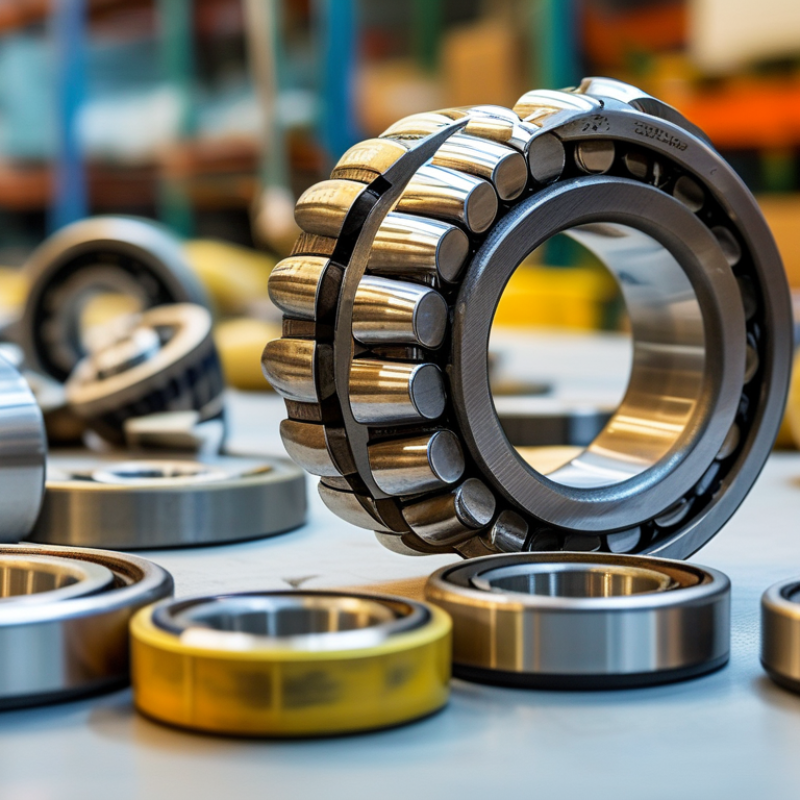
Sustainability trends are reshaping bearing manufacturing. Global buyers are increasingly prioritizing eco-friendly practices. Manufacturers are adopting greener materials and production methods. This shift aims to minimize environmental footprints. For instance, using recycled metals has gained traction. These materials often require less energy to process. Energy efficiency is becoming a key focus as well. Companies are investing in renewable energy sources to power their operations.
The rise of circular economy principles is significant. Manufacturers are exploring ways to extend the lifespan of bearing products. This approach reduces waste and conserves resources. However, the transition is not without its challenges. Many manufacturers struggle to source sustainable materials consistently. This inconsistency can hinder production schedules. Buyers must also navigate complex certifications for sustainability claims. Ensuring transparency in supply chains is crucial yet difficult.
Innovation plays a vital role in meeting sustainability goals. Advanced technologies are enabling smarter manufacturing processes. Automation can decrease waste and improve efficiency. Yet, integrating these technologies requires substantial investment. Smaller manufacturers may lack the resources to adapt quickly. Overall, the sustainability landscape is evolving, but gaps still exist. Manufacturers and buyers must work collaboratively to address these challenges.
The adoption of eco-friendly materials is revolutionizing bearing production. These materials significantly reduce environmental impact. Sustainable options, such as biodegradable plastics and recycled metals, are gaining traction. Not only do they lessen waste, but they also conserve resources. Many manufacturers now prioritize these choices to align with global sustainability goals.
Incorporating eco-friendly materials also brings challenges. Sourcing these materials can be complex and costly. Some manufacturers struggle with performance comparisons between traditional and eco-friendly options. Testing is essential to ensure quality and durability. Moreover, there are limited suppliers for certain sustainable materials, which can disrupt production. These factors prompt manufacturers to rethink their supply chains.
The demand for sustainable bearings is rising among global buyers. Companies are becoming more aware of their ecological footprint. Therefore, embracing eco-friendly practices is not just an option; it is becoming a necessity. However, the transition requires careful planning and collaboration across industries. Manufacturers are encouraged to engage with experts in sustainable practices to navigate this evolving landscape effectively.
bearing manufacturing faces increasing pressure from environmental regulations. As global buyers demand more sustainable practices, compliance becomes essential for manufacturers. The International Organization for Standardization (ISO) reported that about 75% of companies in the sector now prioritize sustainability. This shift affects material sourcing, production methods, and waste management.
Manufacturers must align with stricter environmental guidelines. For instance, the European Union’s Ecodesign Directive mandates eco-friendly product design and lifecycle considerations. Non-compliance may result in penalties or market exclusion. A study from the Bearing Manufacturers Association found that 32% of companies experienced delays due to regulatory adjustments.
Tip: Conduct an internal audit to assess your compliance with current environmental standards. Evaluate material usage and identify areas for improvement. Look into alternative sourcing options that reduce environmental impacts without compromising quality. Staying proactive is key to avoiding pitfalls in an evolving regulatory landscape.
The adoption of sustainable practices in bearing manufacturing presents vital cost implications for global buyers. Manufacturers often face higher upfront costs when implementing eco-friendly technologies. These expenses can arise from investing in energy-efficient machinery and sustainable sourcing of raw materials. However, these initial costs can lead to long-term savings through reduced energy consumption and lower waste disposal fees.
Moreover, sustainable production processes can influence market pricing. While the cost of production may increase, the value of environmentally responsible products is rising. Buyers may find that eco-friendly bearings can command higher prices due to increased demand. This shift creates a complex balance between upfront costs and potential market returns.
Challenges still exist in achieving sustainability. Not all manufacturers have access to the same resources, which can create discrepancies in cost-efficiency. Additionally, some sustainable methods are still in development, leading to inconsistent implementation across the industry. It’s essential for buyers to weigh these factors carefully as they navigate the evolving landscape of bearing manufacturing.
In recent years, sustainability has emerged as a critical factor for global buyers in the bearing manufacturing industry. A report by the World Economic Forum indicates that over 67% of consumers prefer products from sustainable sources. This trend has instigated manufacturers to adopt eco-friendly practices in their operations. Buyers now seek suppliers committed to sustainability, which often leads to better product quality and ethical sourcing.
Implementing sustainable sourcing strategies is paramount. Buyers should prioritize suppliers who utilize recycled materials and sustainable production methods. A study by the International Bearing Association reveals that bearings made with eco-designed principles reduce carbon emissions by up to 40%. Buyers must also reflect on their supply chains, ensuring they align with sustainability goals. Regular audits can help confirm a supplier's commitment to environmental stewardship.
Transparency is essential in this process. Buyers should demand detailed reports on their suppliers’ environmental impact. The lack of consistent reporting can lead to confusion in decision-making. Although many suppliers claim sustainability, not all adhere strictly to these principles. Diligence in selecting partners can drive significant improvements in both sustainability and product performance. Building a network of reliable, eco-conscious suppliers is an ongoing challenge that requires dedication and continuous evaluation.
: Compliance is vital due to increasing buyer demand for sustainable practices. Non-compliance can lead to penalties.
Over 67% of consumers prefer products from sustainable sources. This drives buyers to choose eco-friendly suppliers.
Manufacturers can conduct internal audits to assess compliance and identify areas for improvement in material sourcing.
Non-compliance may result in market exclusion or penalties, hindering a manufacturer’s business operations.
Buyers should prioritize suppliers who utilize recycled materials and practice sustainable production methods.
Inconsistent reporting from suppliers can cause confusion. Not all suppliers adhere to sustainable practices, complicating choices.
Adopting eco-friendly product designs and lifecycle considerations is crucial for meeting stricter environmental guidelines.
Transparency helps buyers understand a supplier’s environmental impact and make informed decisions.
Regular audits confirm a supplier's commitment to sustainability and help ensure alignment with buyers' goals.
Many suppliers claim sustainability, but not all strictly follow these principles, which requires careful evaluation.
The article "How Sustainability Impacts Bearing Manufacturing for Global Buyers" explores the significant trends in sustainability that are reshaping the bearing manufacturing industry. It emphasizes the role of eco-friendly materials, which not only enhance product performance but also reduce environmental impact. Compliance with growing environmental regulations is becoming crucial for manufacturers, pushing them toward more sustainable production processes. Additionally, the article discusses the cost implications associated with adopting sustainable practices, highlighting both challenges and potential long-term savings for manufacturers.
For global buyers, the article outlines strategies to source sustainable bearings effectively, ensuring their supply chains align with environmental responsibilities. By understanding how sustainability impacts bearing manufacturing, buyers can make informed decisions that support eco-friendly practices while meeting their operational needs. This approach not only contributes to a healthier planet but also enhances the competitiveness of products in a market increasingly driven by sustainability.

Ebmotrix Bearings