Bearing manufacturing is a highly specialized industry. It requires adherence to specific standards to ensure product reliability. But which standards apply to bearing manufacturing? According to a 2022 market analysis report by Research and Markets, the global bearing market is expected to reach $120 billion by 2027. This growth underscores the need for compliance with international standards.
Key organizations such as the International Organization for Standardization (ISO) set the framework for quality and safety in bearing production. ISO 9001 and ISO 14001 are among the most critical standards. They guide manufacturers in maintaining quality management and minimizing environmental impact. However, many manufacturers struggle with complete compliance, leading to inconsistencies in product quality and reliability.
The challenge is significant. A 2021 study by the American Bearing Manufacturers Association noted that 30% of respondents reported difficulties in meeting these requirements. Factors like fluctuating raw material quality and varying production methods play a role. Without a clear understanding of which standards apply to bearing manufacturing, companies risk losing market share and credibility.
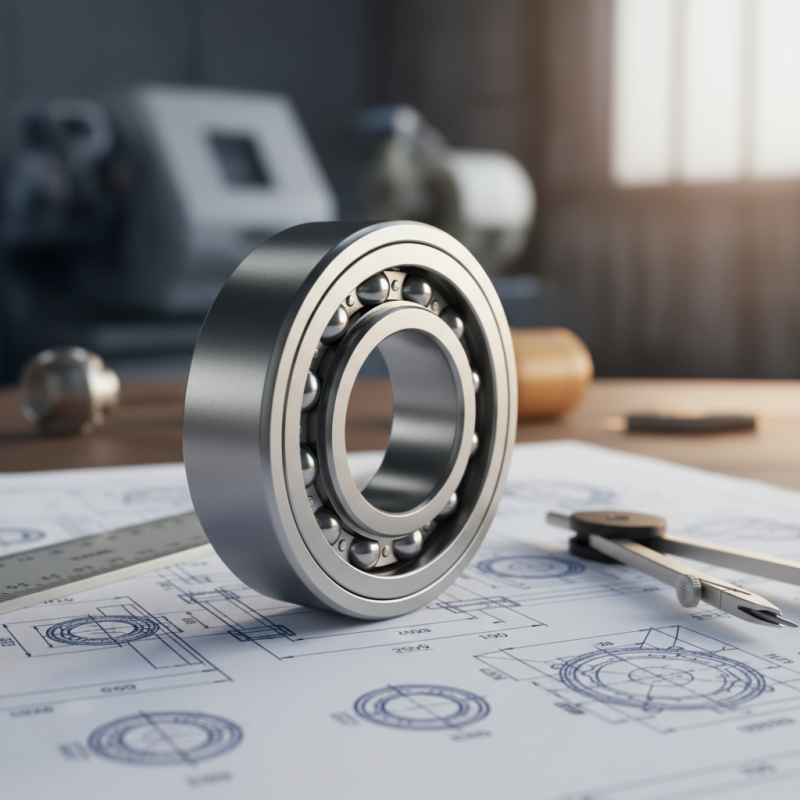
In the global landscape of bearing manufacturing, adhering to recognized standards is essential. The International Organization for Standardization (ISO) provides frameworks that ensure consistency and quality. Reports indicate that adherence to ISO 9001 can improve product quality by 20% in manufacturing settings, enhancing customer satisfaction.
Understanding standards like ISO 281 and ISO 76 is crucial. ISO 281 focuses on dynamic capacity ratings for rolling bearings. This standard helps manufacturers assess the lifespan of their products accurately. Additionally, ISO 76 deals with static load ratings, providing vital information for product specifications. These standards not only guide production but also foster trust among clients.
Tip: Regular training on these standards for your team can enhance compliance. Aim for quarterly workshops to keep everyone informed about updates.
It’s worth noting that compliance with these standards can sometimes feel overwhelming. Some manufacturers may struggle to integrate new guidelines into existing processes. Regular audits can offer insights, but they may also highlight areas needing improvement. Embracing these challenges can lead to significant advancements in quality and efficiency.
In the bearing manufacturing industry, adhering to established standards is crucial.
These guidelines ensure that products meet safety and performance benchmarks. Key organization standards like ISO, ANSI, and ABMA play a vital role in maintaining quality. Compliance with these standards not only enhances product reliability but also builds consumer trust.
Tips: Always check for the latest updates in standards. The landscape can change rapidly. Failing to do so may lead to compliance issues.
Additionally, implementing these standards helps in efficient production processes. They streamline operations and reduce waste, ultimately lowering costs. However, it's essential to remain adaptive. Rigid adherence to outdated standards can hinder innovation.
Tips: Evaluate your processes regularly. Flexibility is key to staying ahead in manufacturing. When standards evolve, so should your methodologies.
When it comes to bearing manufacturing, adhering to established standards is crucial. The International Organization for Standardization (ISO) provides guidelines for quality management systems. These ensure consistency in production processes. Following ISO standards enhances the reliability of bearings. They also address various aspects, including material quality and testing methods.
The American Society for Testing and Materials (ASTM) also plays a vital role. Their standards outline specifications for materials and testing procedures. Compliance with ASTM ensures that bearings meet performance requirements. This is particularly important for industries where safety is a concern. Detailed testing protocols reduce the likelihood of failures.
However, achieving compliance isn't always straightforward. Manufacturers might overlook certain details in their processes. Maintaining documentation can be challenging. Regular audits can be beneficial, but they require time and resources. A balance between cost and quality must always be struck. Engaging with experts on ISO and ASTM standards can provide invaluable insights.
Environmental regulations play a crucial role in bearing manufacturing. These guidelines aim to minimize pollution and promote
sustainable practices in the industry. Manufacturers must adhere to standards that limit emissions and waste. This focus on the environment is not just a legal requirement; it is becoming essential
for brand reputation.
Compliance can sometimes feel complex. Different regions have various regulations, making it a challenge for global manufacturers. The push for eco-friendly materials is growing but can raise costs.
Companies often struggle to balance environmentally-friendly initiatives with profitability. Regular audits and assessments can help identify gaps in compliance
but may require significant effort and investment.
Innovative solutions are emerging in response to these challenges. Some manufacturers are adopting cleaner production technologies.
Others are seeking partnerships to improve recycling processes. These efforts reflect a growing awareness of environmental impact. However, the path to full compliance and sustainability remains intricate,
requiring ongoing commitment and reflection.
When it comes to bearing manufacturing, compliance with industry standards is crucial. Adhering to best practices ensures the quality and reliability of bearings. Manufacturers should implement robust quality assurance processes. Regular audits and inspections are essential. These measures help identify areas for improvement and reinforce a culture of continuous enhancement.
Moreover, understanding the specific requirements of various standards is vital. It’s important to stay updated on changes and advancements in bearing technology. Engaging with industry experts can provide invaluable insights. Practical challenges often arise during implementation. Manufacturers may struggle with maintaining consistency across production lines. Training staff effectively is an ongoing concern.
Collaboration with suppliers is a key factor in achieving high standards. Clear communication fosters better alignment on quality expectations. Regular feedback loops can highlight issues early. Though it may seem straightforward, ensuring quality in bearings often demands constant vigilance. Recognizing that perfection may not always be achievable can foster a growth mindset within organizations. Fostering a culture of accountability is paramount.
: They ensure products meet safety and performance benchmarks, enhancing reliability and consumer trust.
Key organizations include ISO, ANSI, and ABMA. They influence quality in manufacturing processes.
Implementing these standards streamlines processes, reduces waste, and ultimately lowers costs.
Not staying updated may lead to compliance issues and hinder innovation.
Regular audits, inspections, and staff training are essential for maintaining high standards.
Collaborating and communicating effectively with suppliers aligns quality expectations and identifies issues early.
Recognizing that perfection may not always be achievable helps foster a growth mindset in organizations.
Being adaptive allows manufacturers to implement updates and stay competitive in the industry.
Consistency across production lines and effective staff training are ongoing concerns.
It provides insights into advancements and practical challenges in bearing technology, enhancing knowledge.
In the realm of bearing manufacturing, understanding which standards apply is crucial for ensuring product quality and compliance. Global standards, such as those set by ISO and ASTM, play a significant role in quality control and the overall production process. These standards provide guidelines that help manufacturers optimize their operations and maintain regulatory compliance.
Additionally, environmental regulations increasingly influence manufacturing practices, necessitating a focus on sustainable methods. By adhering to best practices for compliance and quality assurance, manufacturers can not only meet industry expectations but also enhance their market competitiveness. Overall, awareness and implementation of the relevant standards are vital for success in bearing manufacturing.

Ebmotrix Bearings