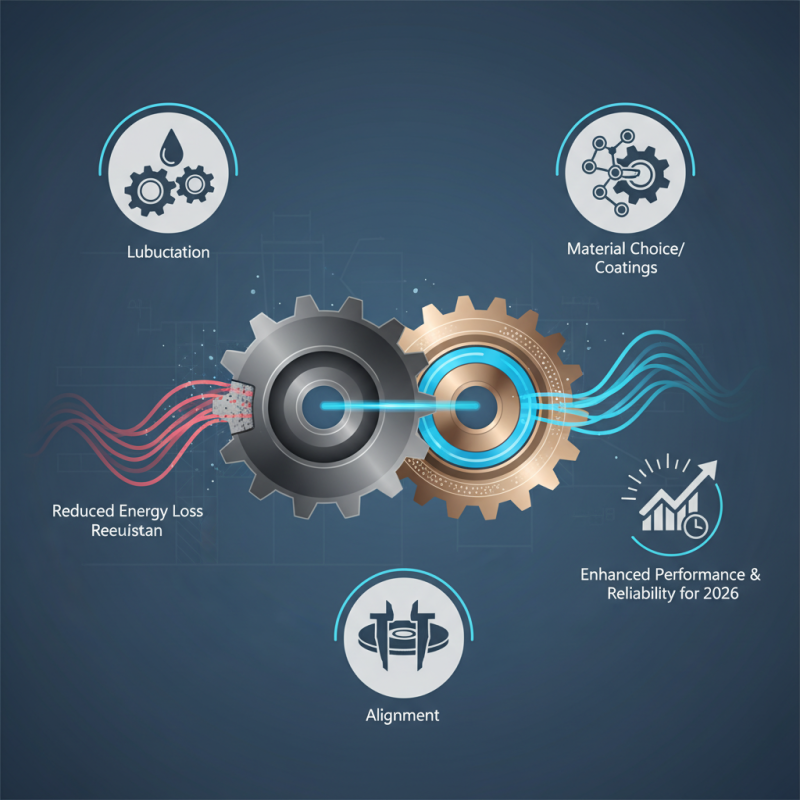
In the quest for top performance in rotating equipment by 2026, understanding how to reduce friction in rotating equipment is crucial. Friction often leads to energy loss and increased wear, impacting efficiency and lifespan. By focusing on effective strategies, we can enhance performance and reliability.
Industries face challenges due to friction-related issues. These often stem from inadequate lubrication, improper material choice, or alignment mistakes. Addressing these factors is essential. Identifying root causes can improve operations significantly.
Advanced technologies and materials offer solutions. Innovations in lubrication systems and coatings can mitigate friction. However, not all solutions are perfect for every scenario. Careful consideration and testing are essential to find suitable applications. Embracing this knowledge allows for informed decisions that drive performance forward.
Evaluating friction levels in rotating equipment is critical for optimal performance. Accurate measurements can identify potential inefficiencies. Techniques like vibration analysis and thermal imaging detect friction points in machinery. These tools provide insights into heat generation and wear patterns that signify friction. Regular monitoring helps in proactive maintenance.
Using sensors to track performance is effective. These devices can measure torque and load, allowing for real-time data collection. This data is essential to assess friction trends over time. Operators should analyze this information to adjust operational parameters appropriately. However, understanding the data requires expertise. Misinterpretation can lead to incorrect actions.
Periodic inspections are also necessary. Inspecting lubrication systems and seals helps identify friction-related issues. A lack of lubricant can result in increased friction, which damages components. Training staff on best practices enhances reliability. Staff involvement in friction management can lead to better outcomes. Recognizing the complexity of friction is vital. Each piece of equipment may behave differently under varying conditions.
Selecting the right lubricant is crucial for reducing friction in rotating equipment. Different lubricants serve specific purposes and are formulated with varying properties. For example, oil-based lubricants offer excellent anti-wear performance and can withstand higher temperatures. They flow easily, providing a thin protective film between moving parts. In contrast, grease-based lubricants, though more viscous, stick to surfaces better. This prevents metal-to-metal contact and seals out contaminants.
Synthetic lubricants have gained popularity due to their superior stability and longevity. They resist breakdown under extreme conditions, which is vital for machinery operating under heavy loads. However, it is essential to evaluate their compatibility with existing systems. Not all synthetic options suit every application. Understanding operational requirements helps in making informed decisions.
Real-world applications often reveal unforeseen challenges. For instance, sometimes, using incompatible lubricants can lead to increased wear. The proper balance between viscosity and temperature resistance is necessary for optimal performance. Addressing these concerns requires ongoing evaluation and adjustment. Continuous monitoring of equipment performance and lubricant conditions can go a long way in minimizing friction.
Minimizing friction in rotating systems is crucial for improving performance. Design modifications can significantly lower energy consumption. According to the International Journal of Machine Tools and Manufacture, reducing friction can enhance efficiency by up to 30%. Such an improvement translates to substantial savings and extended equipment lifespan.
One effective design change involves selecting low-friction materials. Using advanced composites or lubricants with superior properties can make a significant difference. For instance, polymer-based bearings often exhibit lower friction coefficients than traditional options. Additionally, optimizing the geometry of moving parts can minimize contact area and turbulence. This approach creates smoother interactions and boosts overall performance.
Tips: Experiment with different surface treatments. The right coating can reduce wear and enhance durability. Regular maintenance and monitoring can reveal insights into friction levels, helping to guide design changes. Implementing a feedback mechanism can lead to continuous improvement in system performance. Remember, while these strategies show promise, regular assessments are essential to refine and adapt to operational conditions.
Regular maintenance is crucial for reducing friction in rotating equipment, ensuring optimal performance. Checking lubrication levels is important. Insufficient grease leads to increased wear. Equipment components may overheat without proper lubrication.
Perform routine inspections to identify potential issues early. Regularly clean surfaces to prevent dirt buildup. Dirt accelerates friction and can cause severe damage.
Monitoring bearing temperatures is essential. Elevated temperatures can indicate lubrication failures. Using temperature sensors provides real-time data. This proactive approach helps avoid costly repairs. Furthermore, balancing rotating components reduces vibration, which can contribute to friction. Addressing imbalances early can extend equipment life.
Reflect on maintenance practices. Are they thorough enough? Review your checklists for missing items. Inconsistencies in maintenance schedules can lead to unnoticed problems. Enhance procedures by integrating advanced monitoring systems. This ensures a more reliable operation, supporting long-term efficiency. Regular training for maintenance teams can also build expertise. A knowledgeable team is key to maintaining equipment performance.
The performance of rotating equipment heavily relies on the materials used in their components. Recent innovations focus on advanced materials that significantly reduce friction. Research shows that utilizing composite materials can lower friction losses by up to 30%. This reduction enhances efficiency and prolongs the lifespan of machinery. Materials such as polymers and engineered ceramics are increasingly popular. They offer remarkable resistance to wear while maintaining low-friction characteristics.
Regular maintenance is crucial. Ensure optimal lubrication as even small amounts of dirt can increase friction. Switching to synthetic lubricants can provide enhanced protection. The choice of bearing materials also impacts friction levels. Steel bearings typically have higher friction compared to ceramic alternatives. This shift can lead to performance improvements.
Adopting innovative heat treatments can alter material properties. These treatments work to enhance hardness and minimize friction. Monitoring equipment performance through predictive analytics can spot potential issues before they escalate. As industries push for higher efficiency, material innovations will be essential. Staying updated with market trends will enable engineers to select the best components for their applications.
: Evaluating friction is crucial for optimal performance. It helps identify inefficiencies in machinery.
Techniques like vibration analysis and thermal imaging are effective. They detect heat generation and wear patterns indicating friction.
Sensors track performance by measuring torque and load. They provide real-time data essential for assessing friction trends.
Training enhances reliability and involves staff in promoting best practices for handling friction-related issues.
The right lubricant reduces friction. Oil-based lubricants offer anti-wear performance, while grease sticks better to surfaces.
Synthetic lubricants have superior stability, but compatibility with existing systems is essential to avoid increased wear.
Advanced materials like polymers and engineered ceramics reduce friction significantly, prolonging equipment lifespan.
Regular inspections and optimal lubrication are key. Even small dirt amounts can increase friction, so cleaning is vital.
Continuous monitoring helps identify issues early. Adjustments are crucial for maintaining low friction levels and overall efficiency.
New materials and heat treatments are being researched. These innovations can enhance performance by minimizing friction losses.
In the realm of optimizing performance in rotating equipment, understanding how to reduce friction in rotating equipment is paramount. This can be achieved through various strategies, starting with the evaluation of friction levels to identify areas needing improvement. Utilizing the right types of lubricants plays a significant role, as they can significantly reduce friction and enhance the efficiency of machinery. Additionally, implementing design modifications within rotating systems can serve to minimize friction effectively.
Regular maintenance practices are crucial, ensuring that equipment remains in optimal condition and continues to perform at peak levels. Finally, innovations in materials present exciting opportunities to decrease friction in machinery components, paving the way for advancements in technology and efficiency in operations. Together, these approaches form a comprehensive strategy for achieving top performance in rotating equipment by significantly reducing friction.

Ebmotrix Bearings