Reducing friction in rotating equipment is essential for enhancing operational efficiency. Experts like Dr. Emily Carter, a leading mechanical engineer, state, "Minimizing friction not only boosts performance but also extends equipment lifespan." This highlights the need for effective strategies in tackling friction issues.
In various industries, friction causes wear and energy loss. High-friction environments can lead to unexpected downtime and increased costs. Techniques to reduce friction vary, from selecting optimal lubricants to maintaining precise alignments. Each solution requires careful evaluation to ensure effectiveness.
The challenge lies in the complexity of rotating systems. Not all solutions work universally. Tailored strategies that account for specific equipment and operational contexts are vital. Addressing friction effectively can lead to substantial gains in efficiency and reliability, making it a priority in the industry.
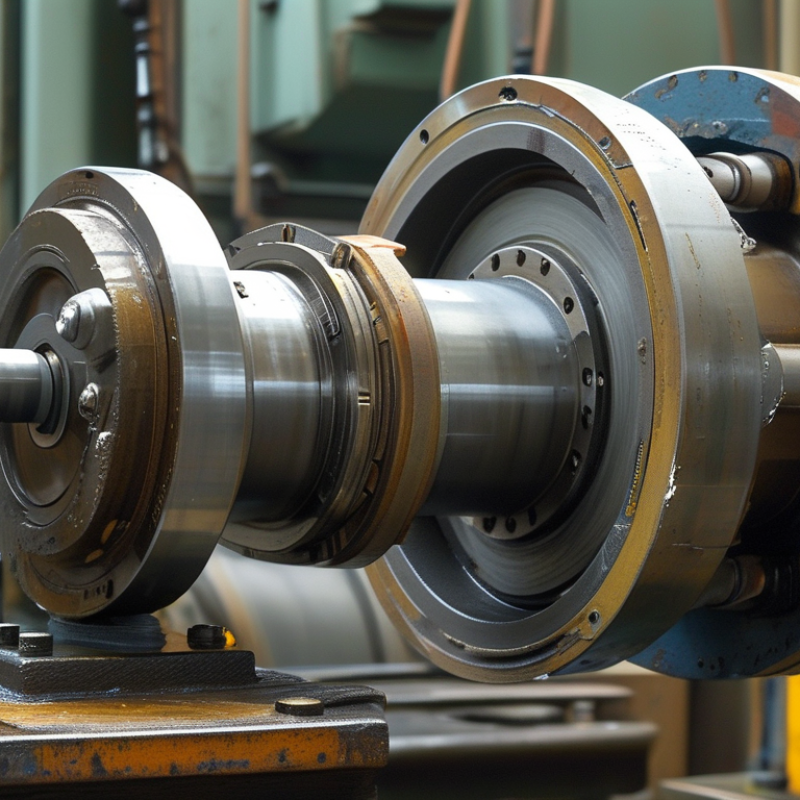
Friction plays a crucial role in rotating equipment. It affects efficiency, heat generation, and wear rates. Understanding the mechanics of friction helps in developing solutions for smoother operations. When two surfaces interact, friction slows them down. This can lead to excessive energy loss. Analyzing material properties can help identify strategies to reduce friction.
Lubrication is one method to minimize friction. Proper lubrication forms a film between surfaces. This creates a barrier that decreases direct contact. Different lubricants serve various conditions. For instance, certain grease works better in high-load situations. However, if not applied correctly, it can become a source of problems. Common mistakes include over-lubrication or using incompatible materials.
Another aspect to consider is surface finish. A rough surface can increase friction. Polishing or coating surfaces may reduce this effect. However, achieving the perfect balance is not easy. Too smooth a surface might lead to adhesion, while too rough can worsen wear. Continuous monitoring is essential to find the right combination for optimal performance.
Friction in mechanical systems is a common issue. It often reduces efficiency in rotating equipment. Identifying its sources is crucial for improvement. Common culprits include bearings, seals, and shafts. Poor lubrication or misalignment can exacerbate these problems. Contaminants like dirt or debris can also introduce additional resistance.
Regular maintenance is essential to minimize friction. Inspecting components for wear and tear can reveal hidden issues. Using high-quality lubricants is equally important. They reduce wear and create a smoother surface for parts to move against each other. Sometimes, the friction is not caused by the materials but rather the design of the system. A poorly designed system can increase heat, leading to more friction.
It’s important to consider the balance between friction and efficiency. Too much friction can lead to excessive wear, while too little can cause instability. Continuous monitoring helps in finding that balance. Technicians must stay informed about new techniques and materials that can reduce friction effectively. Identifying the sources is just the beginning; understanding their implications is where the real work lies.
Reducing friction in bearings and shafts is crucial for enhancing the efficiency of rotating equipment. One effective technique is choosing the right lubrication method. Oil and grease act as barriers, minimizing direct contact between moving parts. This not only reduces wear but also improves overall machine life.
Tips: Regularly check the lubrication levels. Insufficient lubrication can lead to increased friction and potential damage. Consider using synthetic lubricants, as they often provide better performance in extreme conditions.
Another technique is selecting high-quality materials for bearings and shafts. Using harder materials can resist wear better, thus maintaining smooth operation. Surface treatments, like coatings, can also enhance performance. These treatments create an additional layer, reducing friction even further.
Tips: Examine bearings and shafts periodically for signs of wear. Early detection can prevent larger failures. Investing in quality materials may seem costly, but the long-term savings in maintenance are significant.
Lubrication plays a crucial role in enhancing the efficiency of rotating equipment. By minimizing friction, lubricants allow machinery to operate smoothly. They reduce heat generation and wear, prolonging the lifespan of components. For instance, using the right viscosity oil can make a noticeable difference. However, selecting a lubricant is not always straightforward. Factors like operating temperature, load, and equipment type must be considered.
Regular maintenance is vital. It ensures the lubrication system is functioning correctly. Contamination can degrade the lubricant's effectiveness. Inspecting lubricant levels and replacing them timely can prevent significant issues. Many overlook this essential step, leading to costly repairs. Also, the choice between synthetic and mineral oils can be challenging. Each has its advantages, but users must evaluate their specific needs.
Training staff on lubrication best practices can enhance efficiency further. Understanding how to apply lubricants correctly reduces waste and improves performance. Even minor adjustments in lubrication techniques can yield substantial benefits. Yet, companies often neglect ongoing education in this area. A small investment in training can lead to remarkable returns in equipment reliability and productivity.
Effective monitoring and maintenance practices are crucial for optimizing the performance of rotating equipment. According to a report by the International Journal of Engineering Research, improper maintenance can lead to up to 30% inefficiency in machinery. Regular inspections and proactive measures can help reduce this inefficiency. Implementing condition-based monitoring systems can detect wear and tear before serious issues arise. This helps in planning timely maintenance, minimizing downtime.
Vibration analysis is one of the key methods used in monitoring. Studies indicate that over 50% of mechanical failures are due to misalignment and imbalance. Tracking vibration patterns can reveal these problems, allowing for corrective actions. Utilizing infrared thermography also allows operators to identify hot spots that indicate excessive friction. This technique assists in pinpointing areas requiring immediate attention.
Adopting a holistic maintenance strategy is essential. Periodic oil analysis can help detect contamination and degradation that increase friction. However, not all organizations prioritize this practice. Many rely on reactive maintenance. This can result in unexpected failures and higher costs. An approach that combines data analysis with hands-on inspections can lead to more informed decisions regarding equipment upkeep. By refining maintenance practices, organizations can significantly enhance the efficiency of rotating equipment.
: Friction affects efficiency, heat generation, and wear rates. It can slow down surfaces and lead to energy loss.
Proper lubrication creates a film between surfaces, reducing direct contact. This barrier decreases friction effectively.
Over-lubrication and using incompatible materials are frequent errors. These can lead to problems instead of solving them.
A rough surface increases friction. Balancing surface smoothness is tricky; too smooth can lead to adhesion issues.
Harder materials resist wear and ensure smoother operation. They may seem costly initially but save on maintenance long-term.
Regular inspections and condition-based monitoring can detect issues early, reducing inefficiency and unexpected failures.
Vibration patterns help identify misalignment and imbalance, which account for many mechanical failures.
It combines periodic oil analysis with hands-on inspections. This data-driven approach leads to better equipment care.
Insufficient lubrication increases friction and risk of damage. Regular checks prevent these problems and enhance performance.
This technique identifies hot spots from excessive friction, highlighting areas needing immediate attention for maintenance.
In the quest to improve efficiency in mechanical systems, understanding how to reduce friction in rotating equipment is crucial. This involves identifying key concepts related to friction and recognizing its sources within mechanical systems. By employing techniques aimed at minimizing friction in bearings and shafts, as well as implementing effective lubrication strategies, operators can significantly enhance the performance of rotating equipment.
Furthermore, regular monitoring and maintenance practices play a vital role in maintaining optimal performance. By continuously assessing the condition of equipment and adjusting lubrication routines, it becomes possible to sustain efficiency and prolong the lifespan of machinery. Ultimately, a comprehensive approach encompassing these elements yields a marked improvement in the efficiency of rotating equipment.

Ebmotrix Bearings