Bearing failure in heavy machinery can lead to significant losses. Understanding how to prevent bearing failure in heavy machinery is crucial for efficient operations. Machinery downtime costs time and money, impacting overall productivity.
Regular maintenance and inspection play vital roles in extending bearing life. Monitoring vibration levels and temperature can signal potential issues early. Adopting a proactive approach reduces the risk of unexpected failures. Effective lubrication is equally important. It minimizes friction, which can otherwise lead to overheating and wear.
However, not all companies prioritize these preventive measures. Some may overlook small indicators of trouble, thinking they can manage later. This attitude can result in costly repairs. Training employees on the importance of these practices is essential. Ensuring that everyone understands how to prevent bearing failure in heavy machinery forms a strong defense against potential breakdowns.
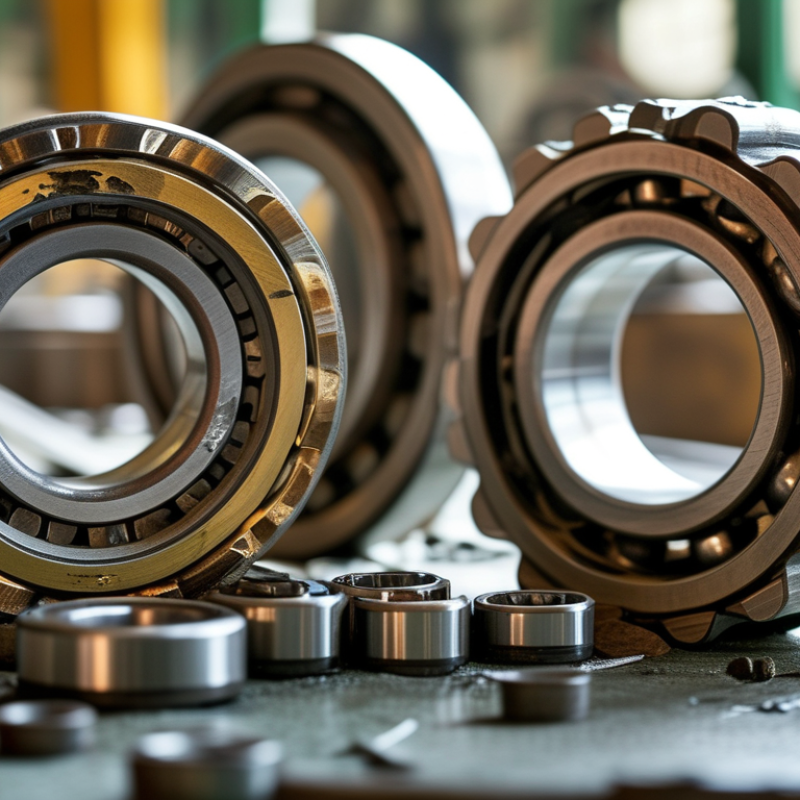
Bearings play a critical role in the performance of heavy machinery. They reduce friction between moving parts, ensuring smooth operation. A report by the American Society of Mechanical Engineers (ASME) states that 30% of machinery failures are due to bearing issues. When bearings fail, it can lead to significant downtime and costly repairs.
Understanding the importance of quality bearings is crucial. A well-maintained bearing can extend the life of machinery and improve efficiency. According to a study by the National Institute of Standards and Technology (NIST), proper lubrication can reduce wear and tear by up to 50%. This highlights the value of routine maintenance to ensure optimal performance.
Tip: Regularly inspect bearings for signs of wear. Listen for unusual noises. If a bearing is vibrating more than usual, it may be time for a replacement. Additionally, selecting the correct type of bearing for specific machinery reduces failure risks. This focus on preventive measures is essential to keep heavy machinery running smoothly and to avoid expensive repairs.
Bearing failure in heavy machinery often leads to unforeseen downtime and costly repairs. According to a report from the American Society of Mechanical Engineers (ASME), premature bearing failures account for nearly 20% of all machinery breakdowns in industrial settings. This highlights the need to understand common causes behind these failures.
One of the primary causes of bearing failure is inadequate lubrication. Insufficient oil or grease can lead to increased friction, resulting in wear and tear. In fact, the Institute of Mechanical Engineers estimates that improper lubrication is responsible for over 50% of bearing failures. Contaminants such as dust and moisture also pose significant risks. They can degrade lubricant quality and lead to corrosion.
Overloading is another crucial factor that can lead to bearing failure. Excessive loads can stress bearings beyond their designed limits. The result is often catastrophic failure, leading to extensive machinery repairs. Data from the International Journal of Engineering Research suggests that over 30% of bearings fail due to overload conditions. It’s essential to regularly monitor load conditions and ensure adherence to operational guidelines. This awareness can dramatically reduce failure rates and improve machinery lifespan.
Preventive maintenance is crucial for bearings in heavy machinery. Regular checks can spot issues before they escalate. This involves frequent inspections, lubrication, and monitoring of operating conditions. The goal is to extend bearing life and enhance machinery reliability. Simple measures can make a significant difference.
One effective strategy is to keep a close eye on lubrication. Ensure that the right type and amount of lubricant are being used. Lack of proper lubrication can lead to overheating and premature failure. Another aspect is cleanliness. Contaminants can enter the system and cause damage. It may seem trivial, but a clean environment minimizes risks.
Staff training is often overlooked. Ensuring that the operating team understands how to recognize warning signs can prevent costly downtimes. Misalignment may seem minor yet can lead to severe complications in the long run. Implementing a structured preventive maintenance program can seem daunting. However, the potential cost savings and increased productivity make it worth the effort. Regular reviews of the strategies ensure they stay effective, though it's common to find gaps in execution. Fostering a culture of accountability can help address these imperfections.
| Preventive Maintenance Strategy | Description | Frequency | Expected Outcome |
|---|---|---|---|
| Lubrication Management | Regularly check and replenish lubricant levels to ensure optimal performance. | Monthly | Reduced friction and heat generation. |
| Vibration Analysis | Monitor vibration patterns to detect abnormalities in bearing performance. | Quarterly | Early detection of wear and impending failure. |
| Temperature Monitoring | Regularly assess bearing temperature to ensure it remains within safe limits. | Weekly | Prevention of overheating and material degradation. |
| Inspection of Seals and Shields | Check seals for wear and tear to prevent contamination. | Biannually | Reduced risk of contamination-related failures. |
| Alignment Checks | Ensure that all components are properly aligned to minimize stress on bearings. | Annually | Increased lifespan of bearings and machinery. |
Technological advancements in bearing design are crucial for improving longevity. Reports indicate that bearing failures account for nearly 40% of machine downtime in industries like manufacturing and construction. This data highlights the need for innovation. Modern materials, such as ceramic and advanced composites, are increasingly used in bearings. They offer superior resistance to wear and corrosion, enhancing overall performance.
New lubrication technologies are also making a significant impact. Advanced greases and oils can enhance bearing life by reducing friction. Studies reveal that using high-quality lubricants can extend bearing life by 20% or more. These innovations aim to address common issues like overheating and contamination.
Moreover, predictive maintenance solutions play a vital role. Sensors can monitor vibrations and temperature in real-time. This data allows for timely interventions, reducing failure rates significantly. An analysis by leading industry experts suggests that implementing these technologies can decrease unexpected breakdowns by 30%. However, the transition requires training and adaptation, which can be challenging. Organizations must regularly assess their practices to embrace these advancements effectively.
Preventing bearing failure in heavy machinery is crucial for operational efficiency. Regular monitoring and inspection techniques are essential for early detection of potential problems. Different methods exist to ensure that machinery runs smoothly. Vibration analysis is one of these methods. It involves measuring the vibration patterns of machinery. Unusual vibrations often signal an issue with bearings.
Visual inspections also play a significant role. Technicians can identify signs of wear or damage. Checking for proper lubrication is vital as well. Insufficient lubrication is a common cause of bearing failure. Sometimes, these inspections reveal only minor problems. It's important not to ignore them. Addressing small issues can prevent larger, costlier failures.
Data analysis from machinery can improve predictions of failure. Collecting historical data assists in identifying trends. However, it requires commitment and resources. The challenge lies in integrating technology with routine practices. Striking a balance can be difficult but is necessary. Investing time in monitoring pays off in the long run. Implementing these strategies can greatly enhance machinery reliability and lifespan.
: Bearings reduce friction, enabling smooth operation and enhancing machinery performance.
About 30% of machinery failures are linked to problems with bearings.
Proper lubrication can reduce wear and tear on bearings by up to 50%.
Insufficient lubrication is a leading cause, responsible for over 50% of failures.
Dust and moisture can degrade lubricants, leading to corrosion and bearing damage.
Excessive loads can stress bearings, resulting in catastrophic failures and extensive repairs.
Regular inspections and lubrication monitoring are vital to extend bearing life.
Training helps staff identify warning signs, preventing costly downtimes and failures.
Gaps in execution may arise, potentially leading to increased machinery failures.
Maintaining cleanliness minimizes risks from contaminants, contributing to better bearing life.
Bearings play a crucial role in the performance of heavy machinery, influencing efficiency and operational reliability. Understanding how to prevent bearing failure in heavy machinery is essential for minimizing downtime and maintenance costs. Common causes of bearing failure include inadequate lubrication, contamination, and excessive load, which can lead to premature wear and catastrophic breakdowns. Implementing preventive maintenance strategies, such as regular lubrication and cleaning, can significantly extend bearing life.
Technological innovations, like advanced materials and design improvements, also enhance bearing longevity, while monitoring and inspection techniques are vital for early detection of potential issues. By focusing on these aspects, operators can effectively manage bearing performance and ensure the smooth operation of their machinery, ultimately leading to reduced operational disruptions and increased productivity.

Ebmotrix Bearings