Why Do Bearings Fail Prematurely Explained

Time:2026-06-16 Author:Ethan
0%

Bearings are crucial components in machinery, and understanding why do bearings fail prematurely is essential for any maintenance strategy. Many industries rely on these parts to ensure smooth operations and minimize downtime. However, premature failure can often disrupt processes and lead to costly repairs.

Common causes of premature bearing failure include misalignment, improper lubrication, and contamination. When bearings are not aligned correctly, they experience uneven loads, leading to faster wear. Lack of proper lubrication can cause overheating and increased friction. Contaminants such as dirt or debris can also damage bearings, resulting in failure.

Addressing these issues requires expertise and experience. It’s important to regularly inspect bearings and maintain precise operating conditions. Operators should reflect on their practices and take steps to reduce risks. Understanding the underlying reasons helps prevent similar failures in the future, ultimately ensuring machinery reliability.
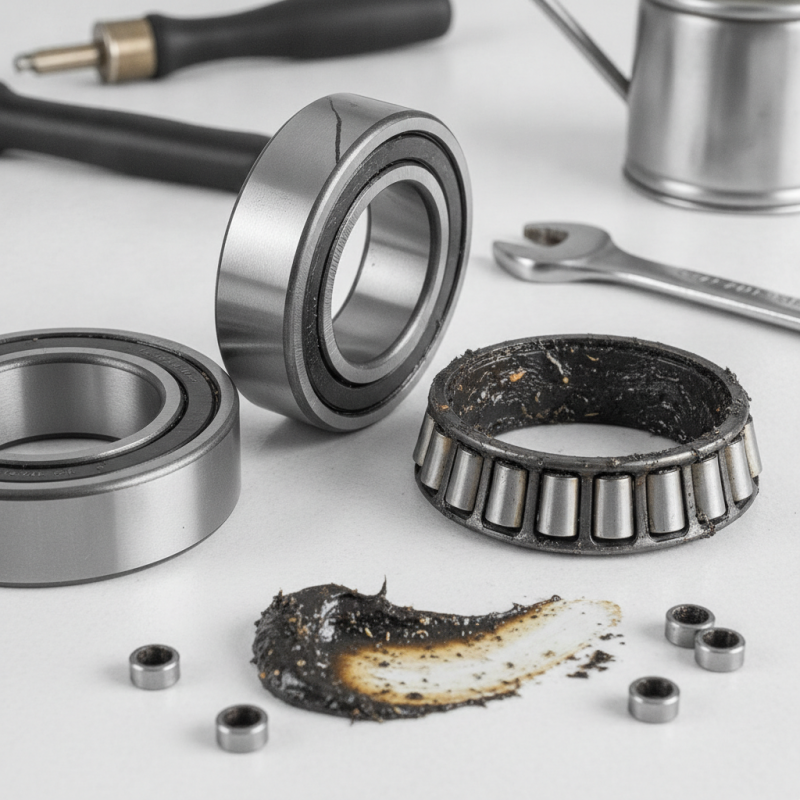
Why Do Bearings Fail Prematurely Explained

Common Causes of Premature Bearing Failure

Premature bearing failure can lead to significant downtime and costly repairs. Understanding the common causes can help prolong bearing life. One major issue is inadequate lubrication. Insufficient grease or oil can cause excessive friction. Over time, this leads to wear and eventual failure.

Contamination is another critical factor. Dirt and moisture can enter the bearing, causing damage. Contaminated bearings often display signs of overheating. This can lead to a complete breakdown if not addressed immediately. Choosing the right environment for equipment operation can prevent these issues.

Tip: Regularly check and maintain lubrication levels. Schedule routine inspections to catch signs of contamination early.

Also, consider improper installation. Bearings need to be aligned correctly. Misalignment puts extra stress on components. This can accelerate wear and lead to failure. Workers must receive proper training in bearing installation and maintenance.

Tip: Invest in training programs for your team. This will reduce the likelihood of premature failures. Identifying early warning signs can extend the life of your bearings.

Impact of Lubrication on Bearing Lifespan

Lubrication plays a crucial role in extending the lifespan of bearings. When choosing a lubricant, it's essential to consider its viscosity and composition. The right lubricant creates a protective film, reducing friction and wear. Without proper lubrication, bearings can overheat and degrade quickly. Many failures occur due to inadequate lubrication practices.

Tips: Regularly check lubricant levels to avoid dry running. Use greases or oils specifically formulated for bearing applications. Different environments may require different lubricants, so don’t make assumptions.

Additionally, contamination can compromise a lubricant's effectiveness. Dust and moisture can enter bearing housings, leading to premature failures. Therefore, ensuring proper sealing mechanisms is vital. A clean environment helps maintain lubricant integrity.

Tips: Implement regular maintenance schedules and inspections. Educate your team on the correct lubrication techniques. Remember, small oversights often lead to significant issues down the line.

The Role of Operating Conditions in Bearing Durability

Operating conditions play a crucial role in the durability of bearings. Factors such as temperature, load, and lubrication directly impact their lifespan. For example, excessive heat can cause the grease to degrade, leading to premature failure. Bearings in high-speed applications may experience different stress levels compared to those in steady operations.

Vibration is another significant factor. Strong vibrations can introduce misalignments, causing wear over time. It’s essential to monitor these conditions regularly. Ignoring the signs of wear can lead to unexpected breakdowns and costly repairs.

Regular maintenance is vital for identifying potential issues early. Operators must develop a keen understanding of their system’s specific needs. Not every operating environment is ideal. These differences demand tailored approaches to ensure reliability.

It is essential to constantly adapt and reflect on best practices for optimal performance.

Mechanical and Environmental Stress Factors

Bearings are essential components in many machines, yet they often fail unexpectedly. Understanding mechanical and environmental stress factors can help prevent such failures. Mechanical stress includes misalignment, excess load, and vibration. These factors can cause premature wear or damage. Proper alignment is crucial. Misalignment leads to uneven wear and overheating, which shortens the lifespan of bearings.

Environmental stress also plays a significant role. High temperatures can degrade lubricants, increasing friction. Moisture can lead to rust and corrosion. Contaminants like dust and dirt can cause blockage and damage. Adequate seals and filters are essential to protect bearings from these elements. Regular inspection is vital, yet often neglected. Ignoring signs of wear can lead to catastrophic failures that could have been prevented.

In many cases, operators overestimate their equipment's durability. They may not consider the specific conditions in which the bearings operate. This lack of awareness can lead to poor maintenance practices. It is important to promote a culture of vigilance and care. Taking the time to assess both mechanical and environmental factors can significantly extend the life of bearings.

Signs and Symptoms of Failing Bearings

Bearing failure can lead to serious disruptions in machinery performance. Identifying the signs and symptoms of failing bearings is crucial for maintenance teams. A report from the Institute of Mechanical Engineers noted that up to 30% of all machinery failures result from bearing issues. Recognizing early warning signs can prevent costly downtimes.

Common symptoms include unusual noises like grinding or squeaking. Overheating will often accompany these sounds. Increased vibration levels can also indicate bearing wear. According to a study by the Reliability Center, excessive vibration can lead to 25% faster bearing failure. Regular monitoring can help detect these abnormalities early.

Another sign is changes in lubrication quality. If the lubricant appears cloudy or contaminated, it may be time to inspect the bearings. Fatigue cracks or visible wear patterns also signal potential failure. It's important to conduct routine inspections and analyze performance data. Lack of attention to these signs can lead to premature bearing failure and increased repair costs. Ignoring these details can be a mistake that results in significant operational issues.

FAQS

: What causes premature bearing failure?

: Inadequate lubrication is a major cause. Insufficient grease or oil leads to excessive friction and wear.

How does contamination affect bearings?

Dirt and moisture can enter bearings. This causes overheating and potential complete breakdown if not addressed.

How can I prevent contamination in bearings?

Choose the right environment for operation. Regular maintenance and inspections help catch contamination early.

Why is proper installation of bearings important?

Misalignment puts stress on components. This can accelerate wear and increase the chances of failure.

What training should workers receive?

Workers need training in bearing installation and maintenance. This reduces the likelihood of premature failures.

What are common symptoms of failing bearings?

Unusual noises like grinding and overheating often indicate issues. Increased vibration can signal wear as well.

How do I know when to inspect bearings?

If lubricants appear cloudy or contaminated, it’s time for inspection. Routine checks can identify these changes.

What happens if I ignore bearing warning signs?

Ignoring details can lead to premature failure and costly repairs. It may disrupt overall machinery performance.

Can excessive vibration impact bearings?

Yes, excessive vibration can lead to 25% faster bearing failure. Regular monitoring is essential for early detection.

How can I extend the life of my bearings?

Regular maintenance and training programs can identify warning signs. This proactive approach can prevent significant downtimes.

Conclusion

The article "Why Do Bearings Fail Prematurely Explained" delves into the various factors contributing to premature bearing failure. Key reasons highlighted include inadequate lubrication, which significantly affects the lifespan of bearings, and harsh operating conditions that can accelerate wear and tear. The article emphasizes how mechanical stresses from misalignment, vibrations, and load variations exacerbate failure risks, as well as the influence of environmental factors like humidity and contamination.

In addition to these causes, the article also outlines the common signs and symptoms of failing bearings, such as unusual noises and increased temperature, which can serve as indicators of potential issues. Understanding why do bearings fail prematurely is crucial for maintenance strategies, ultimately extending the operational life of machinery and reducing downtime.

Ethan

Ethan

Ethan is a seasoned marketing professional with a deep expertise in our company's innovative product line. With a passion for sharing knowledge and insights, he takes the lead in regularly updating our corporate blog, where he explores industry trends, product features, and effective marketing......