How to Install Bearings Correctly in Assemblies for Better Performance?

Time:2026-05-07 Author:Amelia
0%

When it comes to machinery and equipment, proper assembly is crucial for optimal performance. Understanding how to install bearings correctly in assemblies can significantly enhance efficiency and longevity. Bearings are pivotal components that reduce friction in rotating parts. Improper installation could lead to premature wear or catastrophic failure.

Many technicians underestimate the intricacies of bearing installation. They might overlook critical steps or fail to use the correct tools. This not only affects performance but might also lead to safety hazards. Therefore, gaining a deeper understanding shouldn't be merely academic; practical experience is essential. Investing time in learning the right techniques can yield substantial benefits in the long run.

It's also vital to realize that mistakes can happen. Engaging in hands-on practice helps identify common pitfalls. Reflecting on these errors fosters growth and refinement in skills. Thus, mastering how to install bearings correctly in assemblies is more than a checklist; it's an ongoing journey toward excellence in engineering and maintenance.
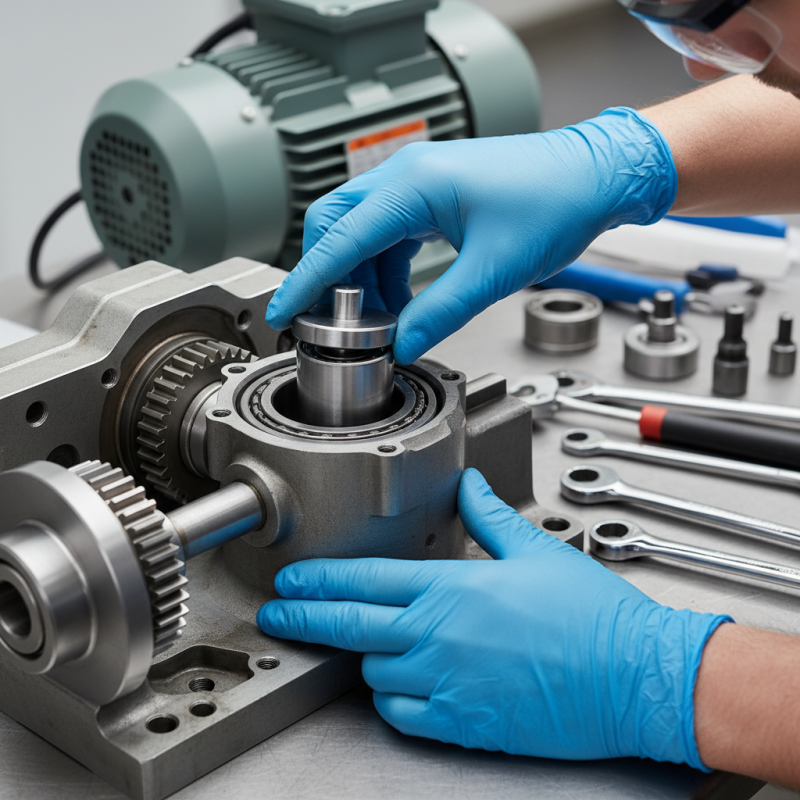
How to Install Bearings Correctly in Assemblies for Better Performance?

Understanding Different Types of Bearings and Their Applications

Bearings play a crucial role in machinery performance. Understanding the different types is essential for optimal application. At their core, bearings reduce friction and enhance efficiency. There are various types: ball bearings, needle bearings, and roller bearings. Each serves specific functions. For instance, ball bearings are typically used where high speeds are critical, while roller bearings can handle heavier loads. According to a recent industry report by the American Bearing Manufacturers Association, nearly 45% of machinery failures are linked to improper bearing selections.

Choosing the right bearing impacts longevity and reliability. Different industries, from automotive to aerospace, require distinct specifications. For example, needle bearings are ideal for compact designs due to their slender profile. Conversely, spherical roller bearings are better for off-axis loads, providing enhanced stability. A technical study revealed that improper bearing installation can reduce bearing life by 50%. This highlights the need for meticulous attention during both selection and installation.

Many professionals overlook the importance of proper lubrication. Insufficient or excessive lubrication can lead to premature failure. Research shows that nearly 30% of bearings fail due to lubrication issues. Maintenance practices need to evolve. Regular checks and adjustments can prevent costly downtime. Ultimately, understanding your bearing options can significantly enhance machine performance.

Preparing the Assembly for Proper Bearing Installation

Preparing an assembly for proper bearing installation is crucial for optimal performance. Start by inspecting the housing where the bearings will fit. Look for any signs of wear or damage. Clean the area thoroughly to remove any dirt or debris. Even small particles can lead to issues later.

Check the tolerances specified for the bearings. Ensure that the dimensions align with the assembly requirements. Use precision tools for measurement. If the tolerances are off, the bearings may not seat correctly. This could lead to uneven wear and early failure.

Next, consider the orientation of the bearings. Some designs require specific alignments. Misplacement can compromise functionality. Take your time and double-check every detail. Each step influences the assembly's overall performance. Rushing this process can lead to costly mistakes.

Step-by-Step Guide to Installing Bearings Accurately

Installing bearings accurately is crucial for enhancing performance in mechanical assemblies. The correct installation reduces friction, improves efficiency, and prolongs equipment life. According to a study by the American Bearing Manufacturers Association, improper bearing installation can reduce bearing life by up to 50%. This alarming statistic highlights the need for diligence during installation.

To start, clean the housing and bearing thoroughly. Any dirt or debris can impact performance. Use a suitable tool to press the bearing into its housing, ensuring even pressure throughout. Avoid using excessive force, as this could warp the bearing. Pay attention to the fit—be sure the bearing sits flush against the housing. A misaligned bearing will lead to uneven wear and operational issues later on.

Regular inspection and maintenance are vital post-installation. Inspect for signs of wear or misalignment. A report from the Journal of Mechanical Engineering shows that 30% of bearing failures stem from inadequate maintenance practices. Properly installed bearings require monitoring to ensure they perform optimally throughout their lifespan. Reflecting on the installation process can reveal areas for improvement and ultimately lead to better reliability. Aim for precision in every step.

Common Mistakes to Avoid During Bearing Installation

Installing bearings correctly is crucial for optimal performance in machinery. However, common mistakes often lead to issues that can compromise efficiency. One frequent error is neglecting to clean the mating surfaces thoroughly. Dirt and debris can interfere with the proper seating of bearings.

Another common mistake is improper alignment during installation. Misalignment can cause premature wear and failure. It’s essential to use appropriate tools to check alignment before finalizing the installation. Over-tightening, too, can be a problem. This action leads to additional stress and can damage both the bearing and the assembly.

**Tips:** Always double-check alignment and cleanliness before proceeding. Remember, a small oversight can lead to significant problems. Regular maintenance inspections can help identify any issues early. Use the right lubricants to prevent friction-related damage. Each installation should be treated as unique; learn from each experience to improve future practices.

Maintenance Tips for Enhanced Bearing Performance in Assemblies

Maintaining bearings is crucial for smooth assembly performance. Proper lubrication is key to reducing friction. Regularly check the lubricant level. Use the recommended type for best results. Over-lubrication can attract contaminants. This can lead to premature wear.

Cleaning is just as important. Dust and debris can accumulate quickly. Ensure the area around the assembly is kept clean. Use compressed air to blow out particles. However, be careful not to damage the seals. Inspect seals regularly. They should not show signs of wear or damage.

Temperature management also plays a vital role. High temperatures can deteriorate both bearings and lubricants. Monitor operating conditions closely. If overheating occurs, investigate the causes. This could lead to significant issues later. Review your assembly procedures; small misalignments can cause unexpected stresses. Always seek to improve your methods for maintaining optimal performance.

How to Install Bearings Correctly in Assemblies for Better Performance? - Maintenance Tips for Enhanced Bearing Performance in Assemblies
Assembly Component Bearing Type Recommended Installation Method Maintenance Interval (Months) Performance Notes
Motor Housing Deep Groove Ball Bearing Press Fit with Bearing Heater 6 Smooth operation, reduced noise
Gearbox Tapered Roller Bearing Precision Aligning with SAE Grease 12 Improved load capacity, higher efficiency
Wheel Assembly Angular Contact Bearing Angular Precision with Locknuts 8 Enhanced cornering performance, durability
Piston Cylinder Needle Roller Bearing Straight Fit with Oil Lubrication 10 Lower friction, better fuel efficiency
Suspension System Spherical Bearing Controlled Torque Application 12 Improved handling, reduced vibration

FAQS

: What is the first step in preparing for bearing installation?

: Inspect the housing for wear or damage. Clean the area to remove dirt or debris.

Why is it important to check tolerances before installation?

Proper tolerances ensure bearings seat correctly. Misalignment causes uneven wear and premature failure.

How should bearings be oriented during installation?

Ensure specific alignments as required by the design. Double-check to avoid misplacements that affect functionality.

What impact does improper bearing installation have on performance?

It can reduce bearing life by up to 50%. This emphasizes the need for careful installation.

How can I ensure an even fit during installation?

Use a suitable tool to press the bearing. Apply even pressure and avoid excessive force.

What maintenance practices should I follow post-installation?

Regularly inspect for wear. Monitor alignment and maintain lubrication levels for optimal performance.

Why is lubrication essential for bearing performance?

Proper lubrication reduces friction and prevents overheating. Always use the recommended type and check levels regularly.

How should I manage the temperature of bearings?

Monitor operating conditions closely. Investigate any overheating causes, as it affects both bearings and lubricants.

What cleaning tips can enhance bearing performance?

Keep the area clean and use compressed air gently. Avoid harming the seals while removing dust and debris.

What can cause unexpected stresses in assemblies?

Small misalignments during installation or lack of maintenance can lead to significant issues later on. Always seek improvement.

Conclusion

In the article "How to Install Bearings Correctly in Assemblies for Better Performance," readers are guided through essential principles related to different types of bearings and their applications. The preparation of the assembly is highlighted as a critical step for ensuring proper bearing installation. Following this, a detailed step-by-step guide elaborates on the accurate techniques needed for installing bearings effectively.

The article emphasizes the importance of avoiding common mistakes during the installation process, which can affect overall performance. Additionally, it provides maintenance tips to enhance the longevity and efficiency of bearings within assemblies. By understanding how to install bearings correctly in assemblies, individuals can significantly improve the functioning and durability of their mechanical systems.

Amelia

Amelia

Amelia is a seasoned marketing professional with a wealth of expertise in our company’s core offerings. With an unwavering passion for driving growth and innovation, she plays a pivotal role in shaping our marketing strategies and enhancing brand visibility. A key aspect of her responsibilities......