Lubrication plays a critical role in the performance and longevity of bearings. Understanding what is the importance of lubrication in bearings is essential for optimal mechanical functionality. Adequate lubrication reduces friction and wear, leading to smoother operation. When bearings are well-lubricated, they can handle higher loads and speeds.
In the context of China’s manufacturing industry, the need for effective lubrication becomes even more significant. Many machines operate under extreme conditions. Poor lubrication can lead to failures and costly downtime. Inadequate knowledge about lubrication practices can result in imprecise applications.
Certain lubricants are better suited for specific types of bearings and environments. This complexity often overwhelms professionals. They must choose the right lubricant based on factors like temperature and load. Addressing these challenges requires expertise and ongoing education. Only through understanding the nuances can one truly appreciate what is the importance of lubrication in bearings.
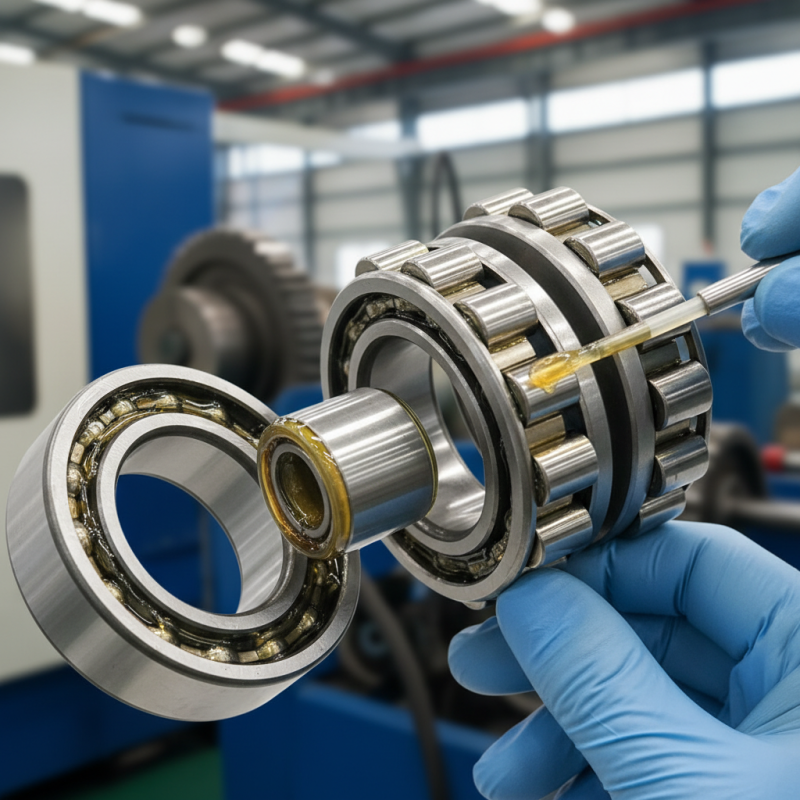
Understanding Bearings and Their Function in Machinery
Bearings play a crucial role in machinery by reducing friction. They enable smooth motion between moving and stationary parts. Without proper lubrication, bearings can wear out quickly. This can lead to machine failure and increased costs.
Effective lubrication creates a protective film. It reduces heat and minimizes wear. Proper lubrication protocols help in extending the lifespan of bearings. However, choosing the right lubricant is often overlooked. Not all lubricants work well in every situation. It's essential to consider the operating conditions.
Failures occur because users ignore lubrication needs. Sometimes, maintenance schedules are too lax. Regular checks can help identify lubrication issues. Additionally, excessive grease can lead to problems as well. Observing these details is fundamental for optimal performance. Remember, lubrication is not just a task but a key aspect of maintaining machinery efficiency.
The Role of Lubrication in Reducing Friction and Wear
Lubrication plays a critical role in ensuring the efficiency and longevity of bearings. It significantly reduces friction, which is crucial in applications where precision and performance are paramount. A study revealed that inadequate lubrication can lead to up to 50% of bearing failures. This highlights the need for proper lubrication protocols in any operation involving bearings. Regular maintenance can prevent excess wear and tear, extending the life of the equipment.
Proper lubrication forms a protective film that separates moving parts. This layer minimizes metal-to-metal contact, which reduces heat generation during operation. According to industry data, bearings without proper lubrication can experience a temperature increase of up to 50%. This spike leads to accelerated wear and dramatically shortens the lifespan of bearings. Choosing the right lubricant is as important as the application itself. The wrong type can compromise performance.
Tips: Always check lubrication levels regularly. Use contaminants-free lubricants to avoid additional wear. Consider the working conditions of the bearings when selecting lubricants. Even small changes, like temperature or load, can affect lubrication effectiveness. Monitor the performance continuously; slight deviations may indicate lubrication issues.
Types of Lubricants Suitable for Bearing Applications
When considering lubrication for bearings, selecting the right type of lubricant is crucial. Several types of lubricants are suitable for bearing applications, each offering distinct advantages. Mineral oils are common choices due to their excellent properties. They provide good lubrication and resistance to oxidation. However, they can break down under extreme conditions, which might lead to failures.
Synthetic lubricants are also available. They are designed to perform better in a wider temperature range. Their stability and longevity can make a significant difference in high-performance applications. However, these can be more expensive and not always necessary for low-demand environments.
Grease is another popular option. It combines a thickener with a base oil, providing both lubrication and protection from contaminants. While grease stays in place well, it can be more challenging to apply evenly. Liquid lubricants may allow for easier application but can lead to leakage in some scenarios.
In this context, it’s vital to reflect on the specific requirements of your application. Each lubricant has its pros and cons. Making an informed choice can help prevent costly downtime and extend equipment life. Identifying the right lubricant is essential for optimal performance.
Factors Influencing Lubrication Effectiveness in Bearings
Lubrication plays a vital role in the performance and longevity of bearings. It reduces friction and wear between moving parts. Effective lubrication can significantly extend the lifespan of bearings, enhancing machinery reliability.
However, several factors can influence lubrication effectiveness. One key element is the type of lubricant used. Different viscosity levels affect how well the lubricant can adhere to surfaces.
A lubricant that is too thick may not penetrate properly, while one that is too thin may not provide adequate protection.
Temperature is another critical factor. High temperatures can cause lubricants to break down, reducing their effectiveness. This degradation can lead to increased wear and potential bearing failure. On the other hand, low temperatures might thicken the lubricant, making it hard to maintain a smooth operation. Additionally, contaminants such as dust and water can compromise lubricant quality. They can lead to corrosion, directly impacting bearing performance.
Maintenance routines should include monitoring and testing lubricants for contaminants to ensure optimal functionality.
The application method is often overlooked. Proper application can be the difference between optimal performance and premature failure. For instance, over-lubrication can lead to excess pressure in the bearing, while under-lubrication can result in inadequate protection. Practicing precision in lubrication techniques can mitigate these risks and improve overall machinery health.
Best Practices for Maintaining Lubrication in Bearings
Proper lubrication is essential for the longevity of bearings. It reduces friction, which can lead to premature wear and overheating. A well-lubricated bearing operates smoothly, ensuring that machinery functions efficiently. Without proper lubrication, even the best bearings can fail early. This failure often results in costly repairs and downtime.
To maintain lubrication, regular inspections are critical. Check lubricant levels frequently. If they are low, top them up before it's too late. Use the recommended types of lubricants for specific bearings. Different environments may require different lubrication methods. For example, in high dust areas, more frequent lubrication may be necessary.
Implementing a systematic maintenance schedule helps prevent lubrication-related issues. Training staff to recognize signs of inadequate lubrication can mitigate serious problems. However, don't overlook the importance of documenting maintenance activities. This record can guide future maintenance plans. In the end, the right practices enhance bearing performance and lifespan.
Importance of Lubrication in Bearings
FAQS
: The right lubricant prevents failures and enhances performance. It reduces friction and wear.
Mineral oils, synthetic lubricants, grease, and liquid lubricants are common choices.
They perform better in extreme temperatures and last longer. However, they can be more expensive.
Grease stays in place better but is harder to apply. Liquid lubricants are easier but may leak.
Regular checks on lubricant levels help prevent failures. Low levels should be topped up timely.
In dusty areas, more frequent lubrication may be necessary. Adjust your methods for specific conditions.
A systematic maintenance schedule and staff training help mitigate lubrication issues.
Documentation assists in planning future maintenance. It helps identify ongoing issues effectively.
Inadequate lubrication leads to overheating and premature bearing failure, costing repairs.
Yes, different bearings may require specific lubricants and application methods for optimal performance.
Conclusion
Lubrication plays a crucial role in the performance and longevity of bearings in various machinery applications. Understanding the function of bearings highlights that they are essential for reducing friction between moving parts, enabling smooth operation. What is the importance of lubrication in bearings? It significantly minimizes wear and tear, extending the life of the bearing and improving overall machine efficiency. Different types of lubricants can be used, including oils and greases, each with specific properties suited for various environments.
Several factors influence lubrication effectiveness, such as operating temperature, load conditions, and the type of lubricant used. Implementing best practices for maintaining lubrication, including regular checks and timely application, is vital for optimal performance. By prioritizing proper lubrication, machinery can operate with reduced friction, enhanced reliability, and lower maintenance costs, thereby ensuring greater productivity in industrial applications.

 Ebmotrix Bearings