Top 10 Factors Influencing Bearing Selection for Global Buyers?

Time:2026-06-04 Author:Isabella
0%

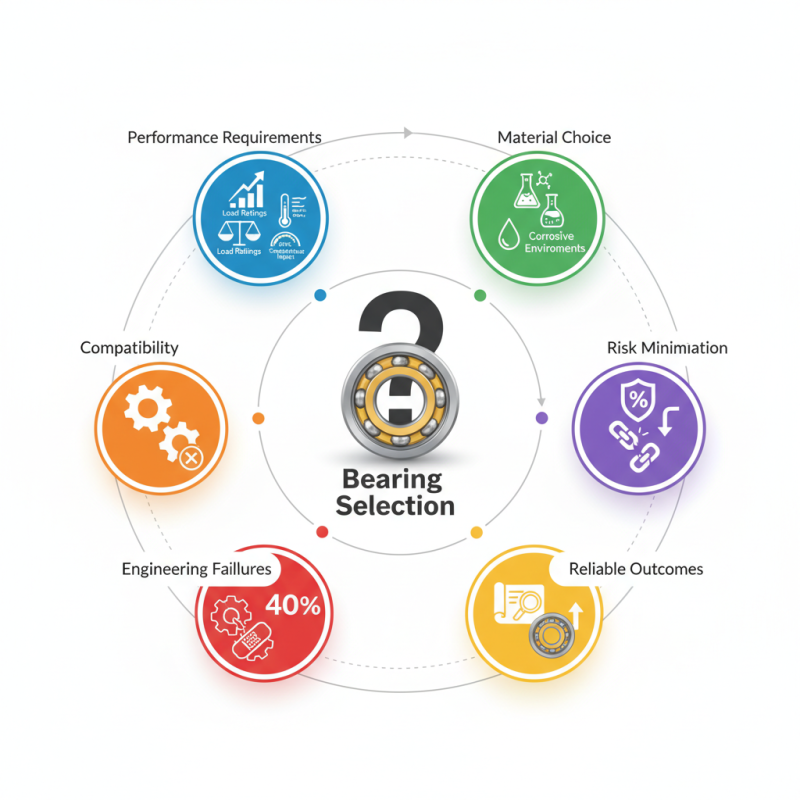
The selection of bearings is crucial for global buyers. Many factors can influence this choice. Recent reports suggest that approximately 40% of engineering failures are linked to inadequate bearing selection. Thus, understanding which factors influence bearing selection is essential.

Performance requirements are often a top consideration. Buyers must evaluate load ratings, rotational speeds, and operational environments. According to industry standards, temperature fluctuations can alter bearing performance by 30%. This data highlights the need for careful analysis.

Material choice also plays a significant role. Corrosive environments may require specialized materials. Buyers often overlook compatibility, which can lead to costly failures. Awareness of these factors can empower buyers to make informed decisions, minimizing risk in their projects. Ultimately, careful consideration of these elements can lead to more reliable outcomes.
Top 10 Factors Influencing Bearing Selection for Global Buyers?

Key Performance Requirements for Bearing Applications

When selecting bearings, key performance requirements play a vital role. Buyers must consider load capacity, speed, and operating temperature. These factors greatly impact the overall efficiency of machinery.

For example, applications requiring high speeds often need specialized bearings. These components must endure extreme conditions while maintaining performance. In contrast, low-speed applications can afford more flexibility. Understanding the operational environment is crucial for optimal selection.

**Tip:** Always assess the alignment of components. Misalignment can lead to premature bearing failure.

Choosing the right material is equally important. Steel bearings are common, but alternatives like ceramics offer advantages in specific scenarios. Think about the trade-offs: weight, durability, and cost.

**Tip:** Consider testing prototypes in real conditions for accurate performance evaluation.

Lastly, check lubrication requirements. Proper lubrication extends bearing life and enhances performance. Insufficient lubrication can lead to overheating. Remember, a small oversight here could result in significant downtime.

Material Compatibility and Its Impact on Bearing Selection

Material compatibility plays a crucial role in bearing selection for global buyers. Choosing the right materials can significantly affect the performance and lifespan of bearings. Different materials react uniquely under various conditions. For example, metals may corrode in the presence of moisture, while plastics might degrade when exposed to certain chemicals. Understanding these interactions is vital for optimal selection.

In many cases, a mismatch in material can lead to failure. This is often overlooked in the selection process. Buyers must closely evaluate the operating environment. Factors such as temperature, humidity, and chemical exposure must be considered. Simple recommendations may not suffice. Each application requires a tailored approach to material selection. Testing under actual conditions can uncover unforeseen challenges. Knowledge and experience in material science are essential.

When deciding on bearings, users should seek expert insights. Collaborating with professionals enhances the understanding of material interactions. Insights from past mistakes can help refine decisions. Regular updates on material advancements can also guide better selections. Buyers should remain proactive, assessing new findings in material compatibility regularly.

Environmental Factors Affecting Bearing Durability

When selecting bearings, environmental factors play a crucial role in durability. Factors such as temperature, humidity, and contaminants can significantly impact performance. High temperatures can lead to accelerated wear, while excessive moisture invites corrosion. Buyers must evaluate the operating conditions carefully to ensure long-lasting use.

Tip: Consider the climatic conditions of your location. Extreme temperatures require bearings designed for specific weather scenarios.

Contaminants like dust and chemicals can degrade the bearing materials. Regular maintenance can mitigate these effects, but some environments demand higher resistance. Choosing the right seals and lubrication systems can enhance protection against contaminants.

Tip: Implement a routine inspection schedule. Early detection of wear can save costs and prevent operational failures.

Lastly, consider the visual indicators of wear. Discoloration or abnormal sounds can signal a problem. Monitoring these indicators helps in making informed decisions about bearing replacement.

Top 10 Factors Influencing Bearing Selection for Global Buyers

This bar chart displays the top 10 environmental factors that influence bearing durability, which are critical considerations for global buyers when selecting bearings. Each factor's significance is represented on the vertical axis.

Load and Speed Considerations in Bearing Choice

When selecting bearings, load and speed are critical factors. Proper understanding of these elements ensures optimal performance and longevity of equipment. Load refers to the weight or force that the bearing must support during operation. Evaluating the maximum load helps in choosing a bearing that will not fail under pressure. For instance, an overload can lead to premature wear or failure.

Speed is another vital consideration. Bearings operate efficiently at particular speeds. Exceeding these limits can result in excessive heat, causing damage. It's essential to check the speed ratings provided by manufacturers. Slow applications may allow for more flexibility in bearing choice. High-speed applications demand precision and rigorous standards. Always consider the operating environment.

Balancing load and speed is complex. Overestimating capabilities can lead to disaster. Using a bearing that meets both load and speed requirements is crucial but challenging. Continuous assessment and adjustments are often needed. Keeping detailed records of bearing performance can help identify patterns and areas for improvement.

Top 10 Factors Influencing Bearing Selection for Global Buyers

Factor Description Impact on Selection
Load Capacity Ability of the bearing to support loads without failure. Critical for choosing the right type of bearing for applications with static and dynamic loads.
Speed Rating Maximum operational speed of the bearing. Essential in high-speed applications to ensure performance and longevity.
Lubrication Type of lubrication used can affect bearing life. Influences maintenance requirements and operational efficiency.
Temperature Range Operating temperature limits for the bearing material. Determines suitability for applications in extreme environments.
Material Material composition of the bearing affects strength and corrosion resistance. Directly impacts durability and performance in specific environments.
Environment Presence of contaminants or specific environmental conditions. Affects choice of seals and protective measures for bearings.
Load Types Static, dynamic, shock loads impact bearing choice. Informs design considerations for durability and safety.
Installation Space Size and configuration of the installation space available. Restricts the options available for bearing selection.
Cost Budget constraints can influence bearing material and type. Directly affects long-term operational costs and decision-making.
Lead Time Time required to procure specific bearing types. Influences stock management and project timelines.

Cost vs. Quality: Balancing Budget and Performance in Bearings

In the realm of bearing selection, balancing cost and quality is crucial. Many buyers focus strictly on prices, which can lead to compromises in performance. Selecting a lower-cost bearing may save money upfront, but it often comes with hidden costs. These can include reduced efficiency and increased maintenance needs. In industries where reliability is paramount, such compromises can lead to failures.

Quality bearings may have a higher initial price, but they generally offer longer lifespans and better performance. It's essential to consider the total cost of ownership, not just the purchase price. Longer-lasting bearings reduce downtime, which ultimately saves money. Some industries might benefit from investing more upfront for quality products. However, it's important to conduct thorough research before committing.

Buyers should also evaluate their specific applications. Each use case may demand a different balance of cost and quality. Performance requirements should never be overlooked. Each application might expose bearings to various loads and environmental factors. This consideration makes it critical to choose wisely. Mistakes can lead to operational inefficiencies and headaches down the road. Testing and gathering user feedback can refine the selection process, leading to a more informed choice.

FAQS

: What environmental factors affect bearing durability?

: Temperature, humidity, and contaminants significantly influence performance and longevity.

How does temperature impact bearings?

High temperatures can accelerate wear. They lead to reduced bearing life if not properly managed.

Is moisture harmful to bearings?

Yes, excessive moisture causes corrosion. It is essential to choose bearings suitable for your environment.

What role do contaminants play?

Dust and chemicals degrade materials. High resistance to these elements is crucial for certain environments.

How can regular maintenance help?

Maintenance can mitigate wear. It’s vital to have a routine inspection schedule for early detection.

What signs indicate bearing wear?

Look for discoloration or abnormal sounds. Monitoring these signs aids in timely replacement decisions.

How should load be assessed?

Evaluate the maximum load the bearing will support. Overloading can cause premature failure.

Why is speed important for bearings?

Bearings operate best at designated speeds. Exceeding these limits generates excessive heat, risking damage.

What is a common mistake when selecting bearings?

Overestimating load and speed capabilities can lead to disastrous failures. Always verify specifications.

How can performance be improved?

Keep detailed records of performance and make adjustments as needed. This helps identify areas for improvement.

Conclusion

When selecting bearings, several key factors influence the decision-making process. First, key performance requirements specific to applications are crucial, as they dictate the necessary bearing characteristics for optimal functionality. Material compatibility also plays a significant role; choosing the right materials can enhance performance and longevity. Environmental conditions, such as temperature and moisture, must be evaluated, as they can significantly impact bearing durability.

Additionally, load and speed considerations are essential in choosing the appropriate bearing type to ensure it can handle expected operational demands. Buyers often face the challenge of balancing cost and quality; understanding which factors influence bearing selection can help them make informed decisions that optimize their budget while maintaining performance standards. By considering these aspects, buyers can select the most suitable bearings for their specific applications.

Isabella

Isabella

Isabella is a dedicated marketing professional with a sharp focus on driving brand growth and engagement through strategic content creation. With an extensive background in digital marketing, she combines her passion for storytelling with her keen understanding of industry trends to deliver......