What Factors Affect Bearing Performance for Global Buyers

Time:2026-05-16 Author:Aria
0%

When considering bearing performance, global buyers often wonder: what factors affect bearing performance? Bearings are crucial components in various industries, from automotive to manufacturing. Their efficiency directly impacts productivity and safety. However, many buyers overlook the complexities that contribute to optimal bearing operation.

First, the material quality plays a significant role in bearing durability. Buyers must consider the type of metal and lubrication used. These choices can greatly influence performance and lifespan. Also, the design specifics, such as bearing size and load capacity, should not be underestimated. Different applications require specialized bearings to meet unique challenges.

Finally, external conditions like temperature and environmental factors can alter performance. For instance, extreme heat can lead to premature failure. Understanding these factors is essential for making informed purchasing decisions. Addressing these elements can be complex but is crucial for long-term success.
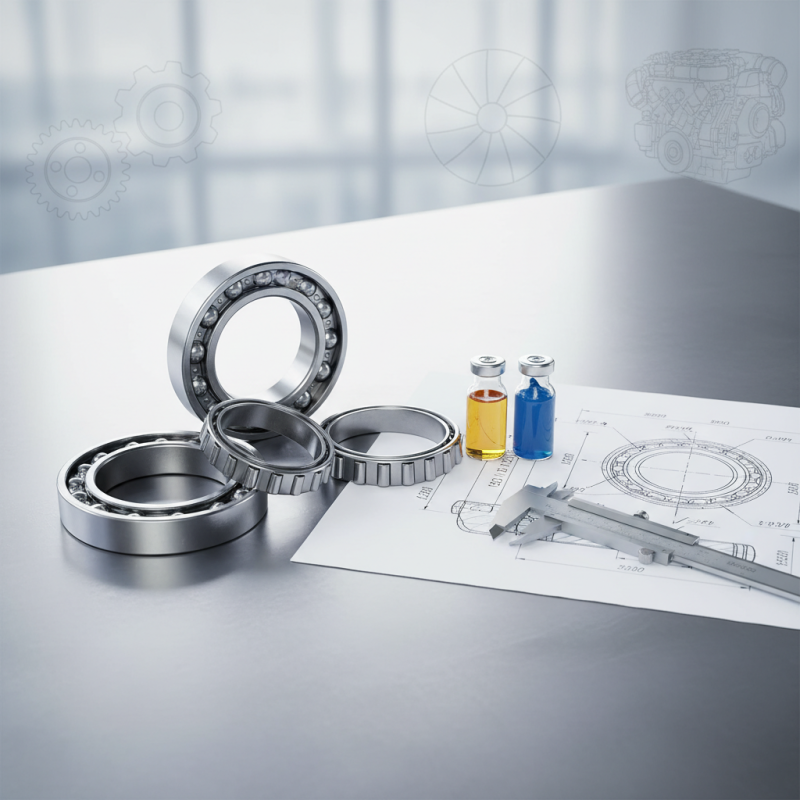
What Factors Affect Bearing Performance for Global Buyers

Factors Influencing Material Selection in Bearing Manufacturing

In bearing manufacturing, material selection plays a critical role. The performance of bearings depends significantly on the materials used. Factors such as load capacity, temperature resistance, and environmental conditions are essential. Different materials offer unique benefits and limitations. For example, steel is common due to its strength, while polymers may provide lighter alternatives.

When selecting materials, consider the application requirements. The working environment can greatly influence the choice. High temperatures may require special metals or coatings. Corrosive environments necessitate the use of rust-resistant materials. Each choice carries weight, affecting both performance and longevity.

**Tips:** Always evaluate the specific conditions of use. Test materials under actual operating conditions when possible. Monitor field performance. Making informed decisions can lead to improved durability, saving time and costs in the long run. Balancing performance and cost is often challenging, but essential for effective manufacturing.

Impact of Design Specifications on Bearing Performance

The performance of bearings relies heavily on design specifications. These specifications include dimensions, materials, and load ratings. According to a recent report from the International Bearing Association, over 30% of bearing failures are attributed to design flaws.

Material selection is also critical. Bearings made from high-chromium steel tend to have enhanced wear resistance. However, the manufacturing process can introduce imperfections that compromise performance. A study showed that 15% of bearings did not meet quality standards due to manufacturing errors. Thus, even with the right design, flaws can significantly affect performance.

Load ratings must reflect actual operating conditions. If bearings are over or under-loaded, it can lead to premature failure. Research indicates that 20% of bearings are misapplied, contributing to both operational inefficiencies and increased costs. Understanding these factors can lead to improved bearing selection and better overall performance.

Role of Lubrication in Enhancing Bearing Efficiency

Lubrication plays a critical role in enhancing bearing efficiency. Proper lubrication reduces friction and wear, extending the lifespan of bearings significantly. According to industry reports, bearings can last up to 50% longer with appropriate lubrication practices. For example, using advanced synthetic lubricants can improve the load-carrying capacity by nearly 30%.

However, choosing the wrong lubricant is a common mistake. Some buyers overlook the need for compatibility with materials used in the bearings. A mismatch can lead to degraded performance and potential failure. Proper viscosity is also vital. Studies indicate that a lubricant that is too thick can prevent proper flow, while one that is too thin can allow excessive wear.

Regular monitoring of lubrication conditions is essential. Evidence shows that over 40% of bearing failures are due to inadequate lubrication. This highlights the importance of regular maintenance checks. Buyers should consider implementing a systematic lubrication schedule. Investing in condition monitoring tools can provide real-time data. Being proactive can prevent costly breakdowns in machinery and ensure optimal performance in various operating conditions.

Environmental Conditions and Their Effects on Bearing Longevity

Environmental conditions significantly impact bearing longevity, affecting performance and reliability. Factors such as temperature, humidity, and contamination play crucial roles. A 2022 industry report revealed that bearings exposed to elevated temperatures can have their lifespan reduced by up to 50%. High moisture levels can lead to corrosion, further compromising functionality.

Dust and particulates can wreak havoc on bearings. The same report indicated that clean operating environments can increase bearing life by threefold when compared to contaminated conditions. Ignoring these environmental aspects could result in unexpected failures. Implementing regular maintenance checks and environmental controls is vital for ensuring optimal performance.

Choices in materials can also influence longevity. For example, stainless steel bearings perform better in moist environments. Yet, they might be less effective in extreme heat. Assessing the specific conditions a bearing will face is essential. This reflection can lead to better decision-making and enhanced durability in demanding applications.

Factors Affecting Bearing Performance and Longevity

Quality Control Measures in Bearing Production and Their Importance

Quality control in bearing production is pivotal for ensuring consistent performance. In a study conducted by the International Organization for Standardization (ISO), it was revealed that 70% of bearing failures can be attributed to inadequate quality control measures. This emphasizes the need for stringent protocols throughout the manufacturing process. Each step, from raw material selection to final inspections, must adhere to established quality standards.

Implementing effective quality control measures involves various methods. One essential technique is statistical process control (SPC). This technique monitors production processes in real-time, allowing for immediate adjustments when defects are detected. Furthermore, rigorous testing, such as fatigue testing and dimensional accuracy verification, can identify potential weaknesses. It’s noted that facilities that use such practices can reduce their defect rates by up to 30%.

Despite these measures, challenges persist. Often, manufacturers face pressure to reduce costs. This can lead to shortcuts in quality assurance, ultimately impacting performance. Research indicates that 25% of manufacturers compromise on quality to meet price demands. This situation raises questions about the balance between cost, quality, and long-term reliability. Therefore, continuous improvement and adherence to quality standards are crucial in maintaining product integrity in the bearings industry.

FAQS

: Why is material selection important in bearing manufacturing?

: Material selection affects performance, load capacity, and longevity. Different materials offer unique benefits for specific applications.

What environmental factors impact bearing performance?

Temperature, humidity, and contamination are key factors. High temperatures can reduce lifespan significantly, affecting overall reliability.

How does lubrication enhance bearing efficiency?

Proper lubrication minimizes friction and wear. It can extend bearing life by up to 50% if done correctly.

What are common mistakes in lubricant selection?

Overlooking compatibility and viscosity are frequent errors. A mismatch can degrade performance and cause failures.

Why is regular maintenance of lubrication necessary?

Inadequate lubrication is linked to 40% of bearing failures. Routine checks can prevent breakdowns and ensure optimal performance.

How does contamination affect bearing longevity?

Dust and particulates can significantly shorten lifespan. Clean environments can increase bearing life threefold compared to contaminated ones.

What types of materials are effective in moist environments?

Stainless steel bearings perform well in moisture. However, they may struggle in high-temperature conditions, limiting their application.

How can one assess the right materials for bearings?

Analyze application requirements and environmental conditions. Each choice affects performance and durability, so careful evaluation is key.

What role do monitoring tools play in bearing maintenance?

Condition monitoring tools provide real-time data. Proactive maintenance can prevent costly failures and improve overall machinery performance.

Is it easy to balance performance and cost in bearing manufacturing?

No, it can be challenging. Each decision carries impacts that require careful thought and reflection on cost versus performance.

Conclusion

The article titled "What Factors Affect Bearing Performance for Global Buyers" explores several critical elements that influence the efficacy and longevity of bearings. Key considerations include material selection in manufacturing, which impacts strength and durability, alongside design specifications that dictate load capacity and operational efficiency. The role of lubrication is highlighted as essential for reducing friction, thereby enhancing performance and life span. Additionally, environmental conditions, such as temperature and humidity, are examined for their significant effects on bearing durability. Finally, implementing rigorous quality control measures during production is emphasized as crucial for ensuring overall bearing reliability and performance.

In summary, understanding what factors affect bearing performance is vital for buyers in making informed decisions. By considering material choices, design specifics, lubrication effectiveness, environmental influences, and stringent quality checks, manufacturers can significantly improve bearing reliability and efficiency in various applications.

Aria

Aria

Aria is a dedicated marketing professional with a deep passion for innovative strategies and a keen understanding of our company's product offerings. With a wealth of experience in the industry, Aria excels at crafting engaging content that highlights the unique features and benefits of our......