In modern machinery, bearings play a crucial role. They ensure smooth operation and support heavy loads. However, wear and tear can lead to costly downtimes. Thus, understanding how to improve bearing lifespan in machinery is essential for operational efficiency.
Using high-quality materials is one way to enhance durability. Regular lubrication reduces friction and heat buildup. Maintaining proper alignment is also critical, as misalignment can cause premature failure. Even small adjustments can lead to significant improvements.
However, many overlook these simple solutions. Machinery often operates under harsh conditions, making maintenance challenging. Failing to recognize warning signs can lead to bigger problems. Investing time in proper care pays off in the long run. Prioritizing bearing lifespan not only saves money but also boosts overall productivity.
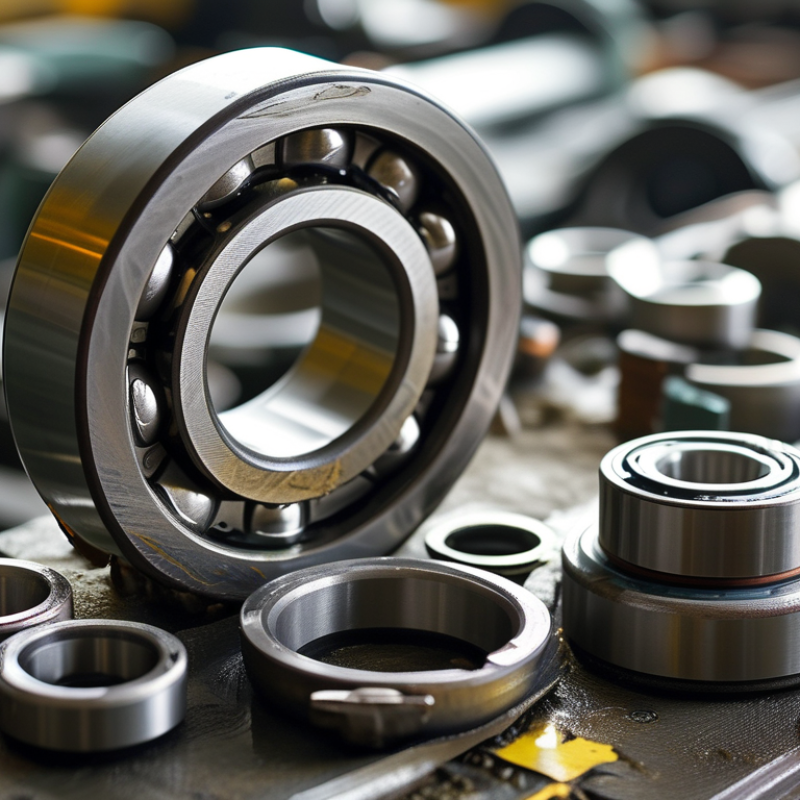
Bearings are crucial components in machinery operation. They reduce friction between moving parts, allowing smooth rotation and movement. Efficiently functioning bearings can greatly enhance the overall performance of machinery. This is especially important in industrial settings where downtime can lead to significant financial losses.
A well-maintained bearing can last much longer than a neglected one. Regular inspections and lubrication are key to maximizing bearing lifespan. However, many operators overlook these essential tasks. They often wait until a problem arises, leading to unexpected failures. This can disrupt production processes and damage equipment.
Understanding the importance of bearings is vital. They support heavy loads and maintain alignment. When bearings fail, the ripple effect is felt throughout the entire system. It is not only about replacing them; it is about creating a culture of proactive maintenance. Every small detail counts when it comes to machinery operation.
| Bearing Type | Average Lifespan (Years) | Common Applications | Failure Impact | Lifespan Enhancement Techniques |
|---|---|---|---|---|
| Ball Bearings | 5 - 15 | Electric Motors, Fans | High downtime, costly repairs | Proper lubrication, regular maintenance |
| Roller Bearings | 10 - 20 | Industrial Machinery, Conveyors | Increased wear, operational delays | Alignment correction, vibration monitoring |
| Thrust Bearings | 7 - 12 | Rotating Equipment, Gearboxes | Potential gearbox failure, production halt | Shock load management, enhanced materials |
| Magnetic Bearings | Indefinite with proper care | High-Speed Rotors, Aerospace | Critical safety risks, high costs | Condition monitoring, active control systems |
: Bearings reduce friction between moving parts, enabling smooth rotation and movement. They enhance overall machinery performance.
Well-maintained bearings last longer than neglected ones. Regular inspections and lubrication are essential to avoid unexpected failures.
Bearing failure affects the entire system. It can disrupt production and lead to costly equipment damage and downtime.
The right lubricant reduces friction and wear. Monitoring lubricant levels is crucial to prevent premature bearing failures.
Misaligned bearings cause uneven wear and potential failures. Ensuring correct alignment reduces the risk of future issues.
Routine inspections and educating employees on wear signs help identify problems before they escalate.
Training employees fosters a culture of care, making them aware of the importance of proper bearing management.
Yes, monitoring vibrations can reveal bearing issues early, preventing catastrophic failures and extending lifespan.
Neglecting maintenance often leads to unexpected failures, production stoppages, and higher costs.
Regular cleaning, proper lubrication, and alignment all contribute to efficient operation and longevity of bearings.
In today's machinery operations, bearings play a crucial role in ensuring smooth and efficient functioning. However, their lifespan can be affected by various factors, including load, lubrication, and environmental conditions. Understanding how to improve bearing lifespan in machinery is essential for enhancing operational efficiency and reducing downtime. Techniques such as regular maintenance, appropriate lubrication practices, and environmental controls can significantly contribute to prolonging the life of bearings.
The benefits of extended bearing life extend beyond just reduced maintenance costs; they also lead to improved machinery efficiency and productivity. Companies can save money on frequent replacements and unexpected repairs, making it imperative to focus on bearing enhancement rather than replacement. By investing in strategies to enhance bearing longevity, organizations can optimize their machinery's performance and achieve greater operational cost-effectiveness.

 Ebmotrix Bearings