Choosing the right bearing for industrial applications is crucial. Bearings support rotating machinery and affect efficiency and reliability. Many factors come into play when selecting bearings, including load capacity, speed, and environmental conditions.
Understanding how to choose the right bearing for industrial applications requires both knowledge and experience. For instance, consider the material and design. Differences in materials like steel and ceramic can impact performance. Each application demands specific characteristics.
Some may overlook the importance of lubrication. Improper lubrication can lead to premature failure. Evaluating these factors is essential for optimal performance. It's a complex process, often requiring expert insight. Taking the time to reflect on these choices can prevent costly mistakes.
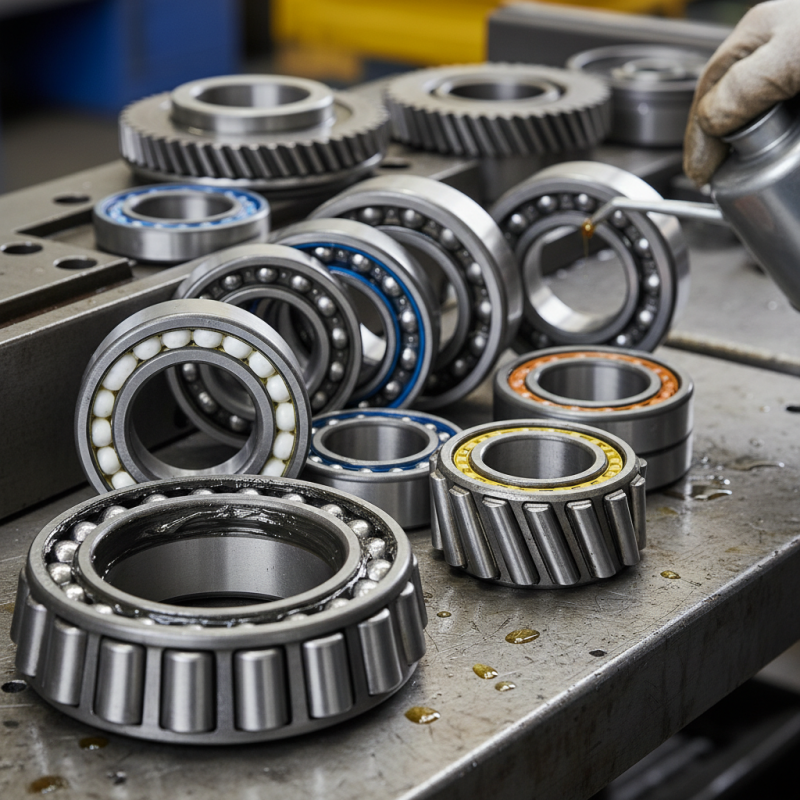
Selecting the right bearing for industrial applications requires an understanding of the various types available. Ball bearings are widely used for their low friction and versatility. They can handle both radial and axial loads efficiently. According to a report by the International Bearing Industry Association, ball bearings accounted for over 50% of total bearing sales in 2022. However, they may not be suitable for extreme conditions.
Roller bearings provide greater load capacity. They can withstand heavier loads than ball bearings. This makes them ideal for conveyor systems and heavy machinery. Specific applications see roller bearings outperforming ball bearings, especially under high stress situations. The Global Bearing Market Report revealed that the demand for roller bearings is projected to grow by 4.5% annually.
Plain bearings, or bushings, require no rolling elements. They are simple, cost-effective, and can support high loads. Yet, their performance degrades under high speeds and temperatures. This limitation can lead to frequent maintenance. A recent study shows that optimizing material choice can significantly extend the lifespan of plain bearings. Understanding the trade-offs helps industries make informed decisions.
Selecting the right bearing for industrial applications requires careful consideration of several factors. First, load capacity is paramount. Bearings must support the weight and stresses they endure. For instance, according to a report by the International Journal of Mechanical Engineering, improper load ratings can lead to a 15% reduction in bearing life. Ensuring the load specifications align with operational demands is crucial.
Next, environmental conditions play a critical role. Factors such as temperature and humidity impact bearing performance. Bearings used in high-temperature settings may require specific materials to prevent deformation. A study published in the Journal of Tribology indicates that failing to account for temperature can reduce efficiency by 20%. Lubrication methods also differ depending on the environment, further complicating the choice.
Lastly, speed rating cannot be overlooked. High-speed applications demand bearings designed to minimize friction. Bearings mismatched with application speed can lead to overheating. Research from the American Society of Mechanical Engineers (ASME) highlights that speed misalignment may lead to costly downtimes. Understanding these factors can help avoid common pitfalls in bearing selection, ensuring optimal performance in industrial settings.
Selecting the right bearing for industrial applications involves a thorough understanding of load capacity. Load capacity significantly influences how a bearing performs under different stress conditions. According to the Timken Company’s data, a bearing’s dynamic load rating impacts its lifespan and reliability. It’s crucial not to overlook this aspect when making your choice.
When examining load capacity, consider both radial and axial loads. Radial loads act perpendicular to the shaft, while axial loads are parallel. Misjudging these could lead to premature failure of the bearing. Industry reports indicate that bearings operating beyond their load capacity can fail up to 10 times quicker than those within limits.
Tips for selection: Assess the maximum load in your application. Choose a bearing that exceeds this capacity by at least 20-25% for safety. Always consult with engineering guidelines specific to your industry's standards. Balancing load capacity with speed and environment is essential. Remember, even slight miscalculations can lead to significant operational issues. Pay attention to detail in your load calculations.
Choosing the right bearing for industrial applications hinges on understanding the operating speed and environment. The operating speed influences bearing material and design. High-speed operations may require ceramic or hybrid bearings for durability and heat resistance. Conversely, low-speed applications might benefit from standard steel bearings, which are cost-effective and reliable.
The environment is equally crucial. Factors such as temperature, moisture, and exposure to chemicals can dictate the bearing’s lifespan. For instance, bearings in wet environments need seals or specialized coatings to prevent corrosion. If the bearings are exposed to dust or debris, consider options with tighter tolerances and protective features.
Tips: Always evaluate the specific conditions your bearings will face. Think about temperature ranges. Extreme temperatures can drastically affect performance. Pay attention to lubrication; proper grease or oil selection can enhance bearing life. Regular maintenance checks can identify early signs of wear.
When selecting bearings for industrial applications, maintenance plays a crucial role. Regular maintenance extends bearing lifespan, improving overall equipment reliability. Operators should monitor bearing conditions closely. It’s essential to look out for signs of wear, such as unusual noises or excessive heat. These indicators can signal the need for immediate attention.
Bearing lubrication is another critical factor. Different environments require specific lubricants. Choosing the wrong type can accelerate wear and lead to failure. Periodic lubrication, depending on operational conditions, ensures smooth operation. Also, understand that even high-quality bearings may fail. Regular inspections can catch problems early, preventing larger issues later.
Environmental factors should also influence bearing selection. Dust, moisture, and temperature fluctuations affect performance. Assessing these conditions helps in choosing the right bearing materials. Sometimes, the right choice may not be the most obvious one. Reflecting on past experiences can guide future selections. Each application has unique needs, and understanding specific requirements is vital.
: Common types include ball bearings, roller bearings, and plain bearings. Each type has unique properties.
They are favored for their low friction and versatility. However, they may not perform well in extreme conditions.
Roller bearings can handle heavier loads. They excel in high-stress situations, such as in heavy machinery.
Plain bearings are simple and cost-effective. They support high loads but degrade under high speeds and temperatures.
Regular maintenance extends the lifespan. Operators should monitor for unusual noises or excessive heat.
Proper lubrication is crucial. Choosing the right lubricant for the environment prevents accelerated wear.
Dust, moisture, and temperature fluctuations can affect performance. Assessing these conditions is essential for optimal choice.
Yes, even high-quality bearings can fail. Regular inspections are necessary to catch problems early.
The right material can extend the lifespan. Reflecting on past experiences aids in making informed decisions.
Not always. Each application has unique needs, and sometimes the obvious choice isn't the best one.
Choosing the right bearing for industrial applications is crucial for ensuring the efficiency and effectiveness of machinery. To make an informed decision, it's essential to understand the various types of bearings available and their specific applications. Factors such as load capacity play a significant role in bearing selection, as they determine how much weight a bearing can support without compromising its functionality.
Additionally, analyzing the operating speed and environmental conditions where the bearing will be used is vital. Bearings must be suited to withstand different levels of humidity, temperature, and potential contaminants. Maintenance and lifespan considerations also influence the choice, as selecting a bearing that aligns with operational demands can enhance equipment longevity and reduce downtime. By thoroughly evaluating these aspects, one can effectively navigate how to choose the right bearing for industrial applications.

Ebmotrix Bearings