How to Choose Bearings for High Speed Applications?

Time:2026-05-31 Author:Madeline
0%

Choosing the right bearings for high-speed applications is a critical decision. The performance and efficiency of machinery depend on several factors. Understanding what makes a bearing suitable for high speed applications is essential for engineers and manufacturers alike.

Bearings designed for high-speed use operate differently than standard bearings. They need to handle increased friction and heat while ensuring durability. Material selection, precision, and lubrication play key roles. High-speed bearings often use advanced materials, such as ceramics or specialized steels, to cope with these challenges.

One must also consider specific application requirements. For example, the desired speed, load capacity, and environmental conditions are vital. Even minor miscalculations can lead to failure. Engineers should seek expert advice and test prototypes before full-scale implementation. Balancing speed and reliability can be intricate. It's crucial to continuously evaluate performance to ensure optimal choices.
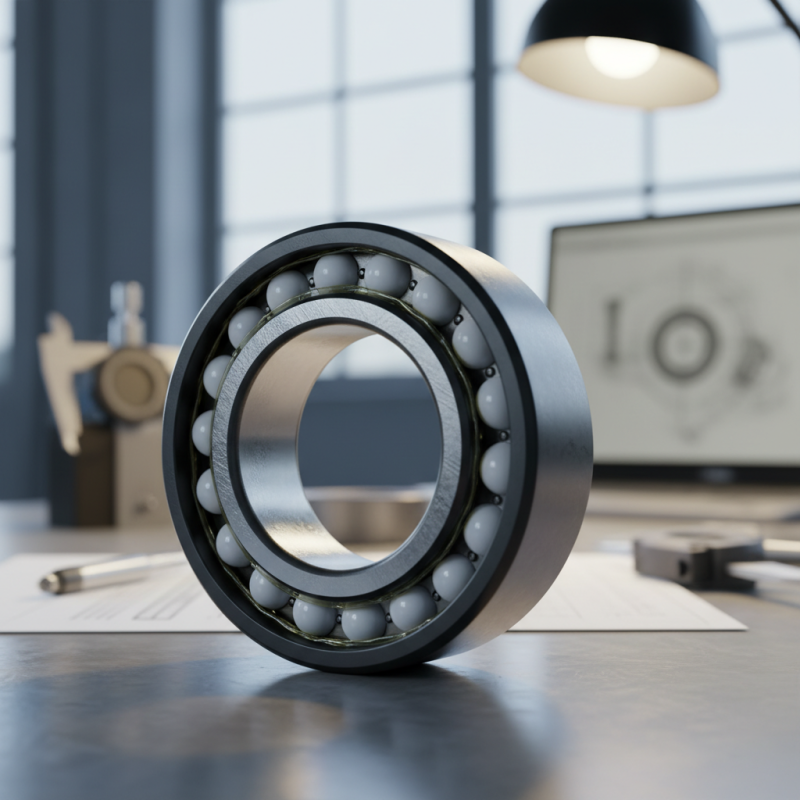
How to Choose Bearings for High Speed Applications?

Understanding the Basics of High-Speed Bearing Applications

Selecting the right bearings for high-speed applications involves a keen understanding of their dynamics. High-speed operations demand that bearings handle significant loads while minimizing friction. The choice between different types of bearings is crucial, as each design offers unique performance characteristics. For example, ball bearings may be suitable for low to moderate loads, but as speeds increase, roller bearings or specialized designs become necessary.

Temperature management is a vital aspect of high-speed bearings. Increased speeds can lead to heat generation, affecting performance and durability. Often, materials with high-temperature resistance are recommended. Additionally, lubrication plays a critical role. The right lubricant reduces friction and wear, extending the life of bearings. However, finding the ideal balance can be challenging.

One common oversight is underestimating clearance. Insufficient clearance may result in excessive heat, while too much leads to instability. Each application requires precision in these parameters. As users gain experience, they may realize that testing different configurations can provide insights into optimal setups. Understanding these nuances is essential for achieving maximum efficiency in high-speed applications.

Key Factors Influencing Bearing Selection for High-Speed Use

When selecting bearings for high-speed applications, several key factors must be considered. Lubrication is crucial. The right lubricant reduces friction, which leads to smoother operations. It also helps to dissipate heat generated during high-speed runs. Choosing a high-quality lubricant can significantly enhance machine lifespan.

Material selection is another important aspect. Bearings made from high-quality steel or ceramic offer better performance at high speeds. They provide increased wear resistance and a higher load-carrying capacity. However, these materials can also come with higher costs. Their durability is a point of reflection when budget constraints are considered.

Additionally, geometry plays a vital role in bearing performance. A well-designed bearing with an optimal internal structure reduces vibrations. This leads to less wear and tear during operation. However, the complexity of designs can sometimes complicate installation. Ensuring precision in installation is a task that should not be overlooked. Precision impacts the overall performance and reliability of the bearing system.

Types of Bearings Commonly Used in High-Speed Applications

When selecting bearings for high-speed applications, understanding the types available is crucial. Rolling element bearings, such as ball and roller bearings, are commonly used. These bearings reduce friction effectively and can sustain high speeds. Their design allows for better rotation efficiency. However, they may struggle under heavy loads.

Magnetic bearings are another option. They eliminate contact, resulting in minimal wear. This technology can handle very high speeds and offers excellent reliability. Still, they can be complex and costly to maintain. Users must weigh these factors carefully.

Furthermore, ceramic bearings are becoming popular in the high-speed domain. Their lightweight and corrosive-resistant properties are advantageous. However, they can be brittle and may not endure significant shock loads. Assessing the requirements of specific applications is vital for making the best choice. Consider the trade-offs to find the ideal balance between speed, load capacity, and durability.

Bearings Performance in High-Speed Applications

Evaluating Load Capacity and Speed Ratings for Bearing Performance

Choosing the right bearings for high-speed applications is crucial for optimal performance. Evaluating load capacity and speed ratings is a key part of this process. Bearings must withstand various forces while rotating rapidly. In high-speed environments, a bearing's ability to handle these stresses significantly impacts reliability and efficiency.

When assessing a bearing's load capacity, consider the static and dynamic ratings provided by manufacturers. For instance, a typical deep groove ball bearing may have a dynamic load rating of around 10,000 N, but operating at high speeds can reduce this capacity. The speed rating, expressed as the maximum permissible RPM, often correlates with the bearing design and material. It's common to encounter limits of 10,000 to 30,000 RPM for high-quality bearings.

However, not all applications are the same. Bearings need careful consideration of lubrication. Insufficient lubrication can lead to overheating and premature failure, even in high-speed scenarios. Choices of materials and designs must reflect the specific conditions they will face, including load direction and environmental factors. While these guidelines offer starting points, continuous monitoring and adjustment based on real-world performance are necessary strategies.

Material Considerations for High-Speed Bearing Durability and Longevity

Choosing the right materials for high-speed bearings is crucial. The durability and longevity of these components depend heavily on their construction. High-quality steel alloys with excellent hardness and resistance to wear are often preferred. These materials resist deformation under load, maintaining dimensional stability over extended periods.

Ceramic materials are also gaining popularity. They are lighter and offer lower friction properties. However, they can be brittle and require careful handling. Engineers often face tough decisions between steel and ceramic, balancing performance against cost and reliability. Each option has trade-offs that may impact overall application success.

Lubrication is another factor that cannot be ignored. Synthetic oils or greases typically perform better at high speeds. Yet, they can break down under extreme conditions, leading to potential failures. It’s essential to regularly monitor and maintain the bearings for optimal performance. Even with the best materials, neglecting proper maintenance can shorten their lifespan significantly.

FAQS

: Why is lubrication important for high-speed bearings?

: Lubrication reduces friction, leading to smoother operations. It also dissipates heat during high-speed runs.

What materials are best for high-speed bearings?

High-quality steel or ceramic offers better performance and wear resistance. However, these materials can be expensive.

How does bearing geometry affect performance?

A well-designed bearing reduces vibrations, leading to less wear. Complex designs may complicate installation, impacting performance.

What should I assess when evaluating load capacity?

Consider static and dynamic ratings. High-speed operations may reduce load capacity compared to standard conditions.

What are typical speed ratings for high-speed bearings?

Speed ratings generally range from 10,000 to 30,000 RPM for high-quality bearings, depending on design and material.

How does insufficient lubrication affect bearings?

Insufficient lubrication leads to overheating and early failure, especially in high-speed applications.

Should I monitor bearing performance continuously?

Yes, continuous monitoring helps adjust for real-world conditions. It ensures reliability and efficiency over time.

Can budget constraints influence my choice of bearings?

Yes, durability versus cost must be considered. Sometimes, cheaper options may lead to more failures over time.

What factors should I consider for specific applications?

Reflect on load direction, environmental factors, and lubrication needs. Each application may have unique demands.

Is installation precision important for bearing systems?

Absolutely. Precision impacts overall performance and reliability. It is crucial not to overlook this during installation.

Conclusion

In the realm of high-speed applications, selecting the appropriate bearings is crucial for optimal performance and longevity. Understanding the basics of how these bearings operate under extreme conditions involves acknowledging key factors that influence their selection. Factors such as load capacity, speed ratings, and material considerations play a vital role in determining what makes a bearing suitable for high-speed applications.

Common types of bearings utilized in such environments are designed to withstand the unique challenges posed by high velocities, including increased friction and heat generation. Carefully evaluating the specifications and performance metrics of these bearings ensures they can endure demanding use while maintaining efficiency. Overall, the thoughtful choice of bearings can significantly impact the success and reliability of high-speed machinery.

Madeline

Madeline

Madeline is a dedicated marketing professional with a wealth of expertise in our company's core offerings. With a keen understanding of the industry, she brings a unique perspective to her role, consistently delivering high-quality content that highlights the superior aspects of our products. As......