In the realm of industrial machinery, the efficiency of operation hinges significantly on quality bearings. Experts like John Smith, a renowned mechanical engineer, assert, "The right bearings can transform machine performance." This highlights the critical role bearings play. For manufacturers, understanding how to improve machine efficiency using bearings is essential for optimizing productivity.
When a machine operates smoothly, it translates into reduced downtime and increased output. Quality bearings minimize friction and energy loss, directly impacting machinery efficiency. However, it is not just about choosing any bearing; selecting the right type for specific applications is crucial. Failing to do so can lead to costly malfunctions and repairs.
Moreover, regular maintenance of bearings is often overlooked. It is vital to monitor wear and tear to prevent unexpected failures. Many organizations neglect these aspects, thinking they will manage without. Investing in quality bearings and understanding their role can boost operational efficiency. This knowledge may need deeper reflection among industry leaders to recognize the significance of bearings in their machinery.
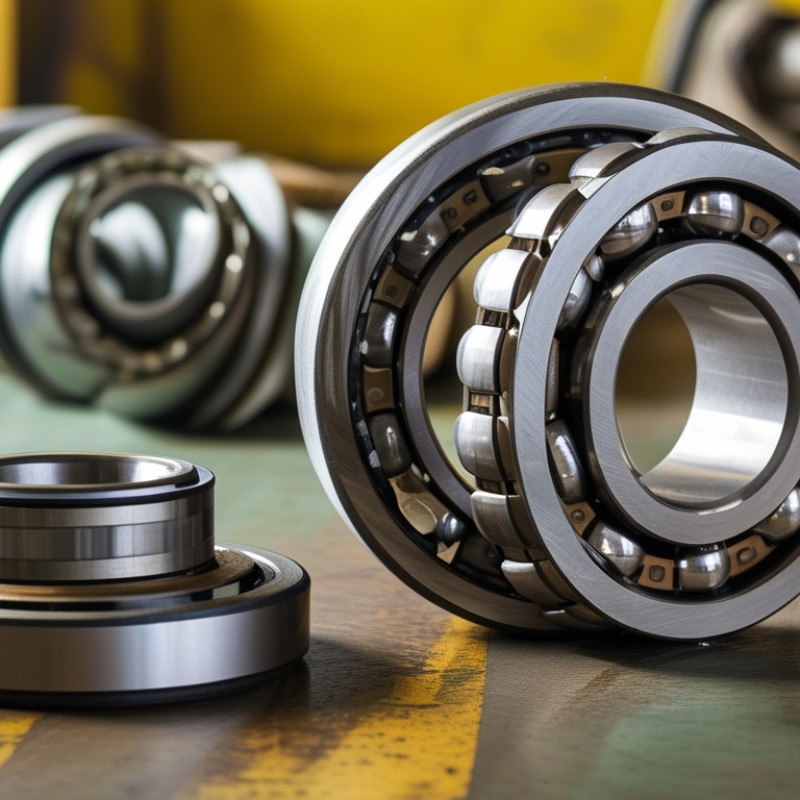
Understanding the Role of Bearings in Machine Performance
Bearings play a crucial role in machine performance. They reduce friction between moving parts, ensuring smoother operation. High-quality bearings can significantly enhance efficiency and reduce energy consumption. According to a report from the International Journal of Industrial Engineering, up to 30% of energy losses in machines are attributed to poor bearing performance.
Selecting the right bearing material is essential. Steel vs. ceramic bearings can impact longevity and performance. Steel bearings are generally tough but can wear out quickly under heavy loads. In contrast, ceramic bearings are lighter and resist wear but can be more expensive.
Regular maintenance is necessary. Even the best bearings can fail without proper care. Lubrication should be checked frequently, as inadequate lubrication can lead to overheating and increased wear. An analysis from the Mechanical Engineering Society suggests that 60% of bearing failures could be avoided with routine inspections.
Incorporating condition monitoring systems can also improve efficiency. Monitoring vibration levels and temperature can provide insights into bearing health. These measures help prevent unexpected downtimes and increase production reliability.
Identifying Quality Bearings: Key Features and Specifications
When it comes to selecting quality bearings, identifying key features is crucial. A good bearing should have high load-carrying capacity. Seek bearings made from high-quality materials, such as steel or ceramic. These materials enhance strength and durability. Look for bearings with a smooth finish, as imperfections can lead to friction and wear.
Another important specification is the bearing's lubrication method. Many bearings come pre-greased, but others may require regular maintenance. Smart choices might include sealed or shielded bearings that keep dirt out and retain grease. These designs improve longevity and reduce the need for frequent inspections.
It's essential to consider the bearing's type and application as well. Different machines require specific bearings. For instance, some applications may demand high-speed performance while others need heavy-duty support. Understanding these requirements can prevent future inefficiencies. Sometimes, it helps to consult with experts. They can provide insights based on years of experience and industry knowledge.
Maintenance Practices for Enhanced Bearing Longevity
Effective maintenance practices are essential for extending the lifespan of bearings. Research shows that proper lubrication minimizes friction and wear. According to a report by the American Society of Mechanical Engineers, effective lubrication can reduce bearing failure rates by up to 50%. Consistent checks on lubricant levels and conditions can prevent significant downtime.
Regular inspection routines also play a critical role. Monitoring temperature, vibration, and noise levels can catch early signs of trouble. A study published in the Journal of Mechanical Engineering identified that 30% of unexpected equipment failures result from inadequate maintenance. Implementing a systematic approach to these checks ensures that minor issues are addressed before they escalate.
Here are a few practical actions to consider: Check your bearings for corrosion and ensure they are clean. Observe the operational environment; excessive heat or contamination can drastically shorten service life. Always consult technical resources or industry publications for updated maintenance strategies. Regular training for maintenance teams can enhance their skills in identifying potential problems, creating a more efficient operational environment. Remember, neglecting these practices can lead to preventable inefficiencies.
The Impact of Bearing Selection on Overall Machine Efficiency
When considering machine efficiency, bearing selection plays a critical role. The right bearing can drastically reduce friction, enhance performance, and extend lifespan. Various factors influence this choice, including load capacity, speed, and environmental conditions. One often overlooked aspect is the bearing material. Selecting the right material impacts durability and can lead to decreased maintenance costs.
To maximize efficiency, it’s vital to assess the operational environment. Machines in dusty or wet conditions require specialized bearings. Standard ones may fail prematurely, causing unplanned downtimes. Regularly updating equipment based on these conditions can prevent significant losses over time.
Another key point is proper installation. Even the best bearings can underperform if not installed correctly. Misalignment might lead to uneven wear and additional strain on the machine. Regular checks can ensure bearings are functioning at peak performance. Make sure to consult experts if uncertainties arise during selection or installation. Balancing quality and cost can be challenging, yet it is essential for long-term efficiency.
How to Boost Machine Efficiency with Quality Bearings?
| Bearing Type |
Load Capacity (N) |
Speed Limit (RPM) |
Friction Coefficient |
Lifespan (Years) |
Efficiency Impact (%) |
| Deep Groove Ball Bearing |
5000 |
3000 |
0.0015 |
10 |
10 |
| Angular Contact Ball Bearing |
6000 |
4000 |
0.0012 |
12 |
15 |
| Tapered Roller Bearing |
8000 |
1500 |
0.0025 |
8 |
8 |
| Spherical Roller Bearing |
9000 |
1200 |
0.0030 |
6 |
6 |
| Needle Bearing |
3000 |
6000 |
0.0010 |
15 |
12 |
Innovative Bearing Technologies and Their Benefits to Machinery
Innovative bearing technologies play a crucial role in enhancing machine efficiency. By reducing friction, they allow for smoother operation and extended lifespan. Advanced materials, such as ceramics and polymers, are now common in bearing design. These materials can withstand extreme temperatures and pressures. This adaptability leads to improved performance in various industrial applications.
Quality bearings contribute significantly to overall machinery reliability. They minimize downtime by lowering maintenance needs. Incorporating smart technology, such as sensors, can provide real-time data. This data allows for timely interventions. Predictive maintenance becomes possible, as operators get alerts about potential failures. However, not all innovations are without challenges. Transitioning to newer technologies might require retraining staff, which can be resource-intensive.
The benefits of using high-quality bearings are clear. Enhanced precision leads to better product quality. Yet, the initial investment in advanced bearings can feel daunting for some companies. Balancing cost against long-term gains often leads to reflection. Many firms may overlook the importance of outdated bearing systems. This oversight can result in inefficiencies that impact productivity. Embracing innovative solutions is essential for staying competitive in today's market.
How Quality Bearings Affect Machine Efficiency
Conclusion
This article explores how to improve machine efficiency using bearings by highlighting their critical role in overall machine performance. It discusses the key features and specifications that define quality bearings, emphasizing the importance of selecting the right type for optimal results. Effective maintenance practices are also outlined, aiming to enhance the longevity of bearings and ensure consistent functionality.
Furthermore, the article delves into the significant impact that bearing selection has on overall machine efficiency, linking innovative bearing technologies to increased reliability and performance in machinery. By understanding these aspects, operators can make informed choices that lead to enhanced productivity and reduced downtime, ultimately fostering a more efficient operational environment.

 Ebmotrix Bearings