Bearings play a crucial role in the performance of machinery across various industries. Proper maintenance practices significantly influence their lifespan. According to a report by the American Society of Mechanical Engineers (ASME), regular maintenance can increase bearing life by up to 50%. However, many facilities still lack a clear understanding of which maintenance practices extend bearing life.
One expert in the field, Dr. Emily Carson, states, "Preventative measures and routine inspections can substantially minimize unexpected failures." This insight underscores the necessity of implementing a strong maintenance strategy. Many companies overlook the impact of environmental conditions on bearings, which can lead to premature wear.
Additionally, understanding lubrication techniques and regular alignment checks are vital. These factors are often underestimated, yet they define the durability of bearings. As industries evolve, the need for efficiency increases. In this scenario, knowledge of effective maintenance practices becomes ever more critical for maximizing equipment longevity. Investing in proper maintenance is not just beneficial—it's essential for survival in a competitive marketplace.
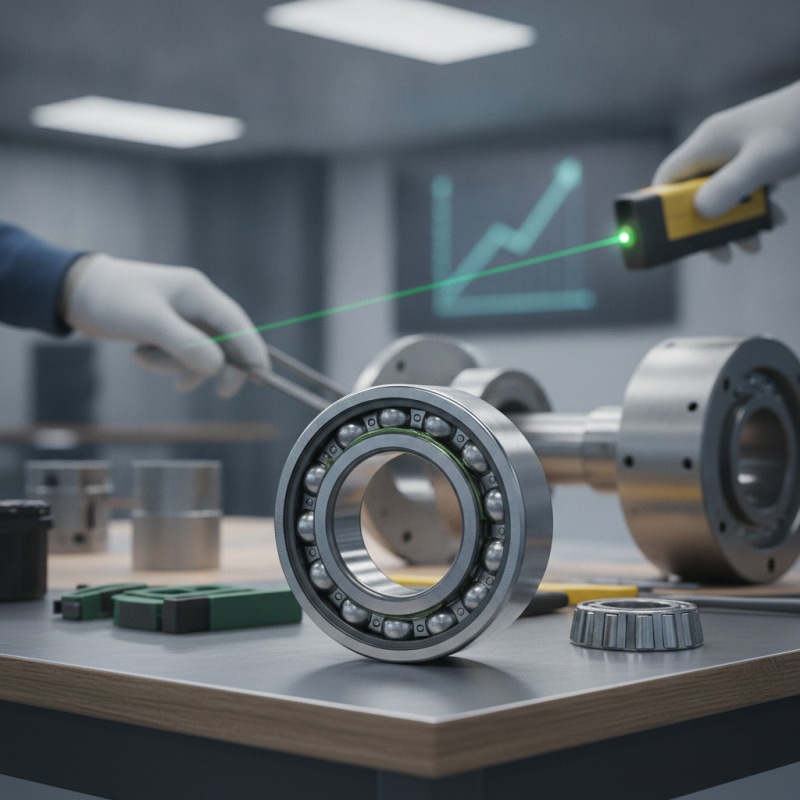
Bearings are crucial components in machinery, impacting overall performance. Different types of bearings serve various applications, including radial, thrust, and angular contact bearings. Each type has its characteristics and is designed for specific tasks. Understanding these differences is essential for optimal function.
One tip to extend bearing life involves selecting the right type. For instance, radial bearings work well in applications with high radial loads, while thrust bearings handle axial loads effectively. Knowledge of your machinery's needs can prevent premature wear.
Regular maintenance is another key factor. Ensure proper lubrication is used, as insufficient lubrication can lead to overheating. Inspect bearings regularly for signs of wear, such as unusual noise or vibration. These early warning signs can help catch issues before they escalate.
Not all practices guarantee success; sometimes, small errors occur, such as using the wrong lubricant. This mistake can lead to increased friction and damage. Reflect on past maintenance routines to identify areas for improvement, ensuring more reliable operations in the future.
Lubrication plays a crucial role in bearing maintenance. Proper lubrication reduces friction and wear, ensuring smooth operation. It also helps in dissipating heat generated during operation. Without sufficient lubrication, bearings can suffer from premature failure. Using the right type and amount of lubricant is essential for optimal performance.
Different bearings require different lubrication methods. Some may need oil, while others are better suited for grease. Over-lubrication can cause leaks, while under-lubrication leads to wear. Regular monitoring of lubricant condition is necessary. This process may involve checking for contamination or viscosity changes.
Inconsistencies in lubrication practices can lead to unexpected downtime. Workers may overlook routine checks, leading to severe damage. Addressing these issues requires a proactive approach. Establishing a detailed lubrication schedule can help. Training staff on best practices is equally important. This ensures everyone understands the significance of proper lubrication.
Regular inspection and monitoring techniques are crucial for extending bearing life. Implementing a routine schedule helps catch early signs of wear and tear. Regularly check for unusual vibrations or noise. These can indicate misalignment or imbalance issues. Use vibration analysis tools to gather data. This provides insights into the bearing's condition.
Temperature monitoring is another essential aspect. High operating temperatures often signal lubrication failure. Install temperature sensors to track changes over time. A sudden spike may require immediate attention. Keeping meticulous records of all inspections can help identify patterns. This data fosters a deeper understanding of how the bearings perform under various conditions.
However, relying solely on scheduled inspections may overlook intermittent issues. An unexpected failure might happen between checks. It’s vital to encourage workers to report any anomalies. Encourage a culture of vigilance. This proactive approach can save time and resources in the long run. While processes may not be foolproof, refining inspection methods leads to significant improvements. Each inspection offers an opportunity to learn and adapt.
Proper installation procedures are crucial for extending the life of bearings. Poor installation can lead to misalignment and premature failure. According to a report by the International Organization for Standardization (ISO), around 50% of bearing failures are linked to improper fitting processes. Ensuring correct alignment and utilizing appropriate tools can significantly reduce the risks associated with installation errors.
Attention to detail during the installation process is critical. Bearings should be handled with care to prevent contamination from dirt or moisture. A study from the Institute of Mechanical Engineers shows that contamination can decrease bearing life by up to 80%. Regularly training technicians on installation best practices enhances reliability and reduces errors. Even minor lapses can result in substantial long-term costs.
Furthermore, regular inspections post-installation can identify potential issues early. Vibration analysis and temperature checks are effective methods to monitor bearing performance. These practices can reveal misalignment or lubrication problems before they escalate. Ignoring these checks could lead to severe operational disruptions. The importance of rigorous installation protocols cannot be overstated; they are the foundation of bearing longevity.
Bearing longevity is significantly influenced by environmental factors. High temperatures can degrade lubrication and increase wear. An increase in operating temperature by just 10°C can double the rate of lubrication degradation. This can lead to premature failure. Moisture and dust can seep into bearings, leading to corrosion and abrasive wear. Proper sealing and protective covers can mitigate these risks.
Regular environmental assessments are essential. Monitoring humidity levels and dust exposure can help maintain optimal conditions. For instance, in a manufacturing plant, 30% of unplanned downtime stems from bearing failures linked to environmental factors. Implementing maintenance schedules that include cleaning and inspecting bearings in harsh environments can lead to a notable increase in bearing life.
Finally, training staff on environmental impacts can enhance awareness. Without proper training, even the best equipment may fail. Understanding how factors like vibration and temperature fluctuations affect bearings is crucial. Regular training sessions can boost reliability in operations and extend bearing lifespan. A proactive approach can result in fewer failures and lower costs in the long run.
This chart illustrates the effectiveness of various maintenance practices in extending bearing life based on environmental considerations.
: Bearings include radial, thrust, and angular contact types. Each type serves specific applications based on load requirements.
Selecting the right type of bearing is essential. Proper lubrication and regular inspections also play a critical role.
Check for unusual noises, vibrations, and temperature spikes. These may signal misalignment or lubrication failure.
Insufficient lubrication can lead to overheating. Correct lubrication prevents increased friction and potential damage.
Using the wrong lubricant is a common error. It can cause increased wear on bearings and affect machinery performance.
Monitoring temperature can reveal lubrication failures. Sudden spikes often require immediate attention to prevent damage.
Relying only on scheduled inspections may miss intermittent issues. Encourage workers to report anomalies for a proactive response.
Misalignment during installation can lead to early failures. Attention to detail is vital for preventing long-term costs.
Regular training ensures technicians follow best practices. This reduces errors and enhances reliability during bearing installation.
Maintain meticulous records of inspections to identify performance patterns. This data can guide future maintenance strategies.
To ensure the longevity of bearings, it is crucial to understand which maintenance practices extend bearing life. First, having a clear grasp of different bearing types and their specific applications aids in determining the best maintenance approach. Proper lubrication is vital, as it reduces friction and wear, which can significantly enhance bearing performance and lifespan.
Regular inspection and monitoring techniques allow for early detection of potential issues, facilitating timely interventions. Additionally, implementing correct installation procedures is critical to avoid misalignment and premature failure. Lastly, consideration of environmental factors, such as temperature and contaminants, can further contribute to maintaining the integrity and extending the life of bearings. By adhering to these best practices, one can effectively maximize bearing reliability and durability.

Ebmotrix Bearings